
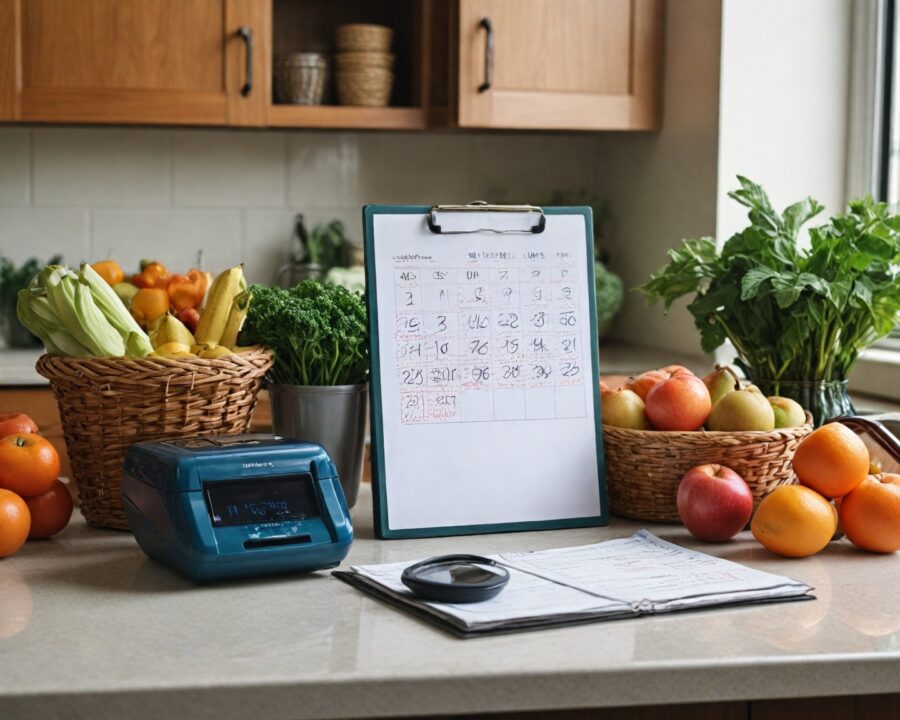
Introduction to Grocery Budgeting and Quality
Managing grocery expenses is a common challenge for many households. With fluctuating food prices and a variety of options to choose from, keeping costs down while maintaining the quality of what we consume can feel like a daunting task. However, with strategic planning and smart shopping tactics, it’s possible to enjoy high-quality meals without breaking the bank. Understanding how to navigate grocery stores with a keen eye on budgeting can lead to significant savings.
The ability to reduce grocery bills without sacrificing the quality of your meals involves a combination of planning, awareness, and willingness to explore different options. Whether you’re a young professional juggling numerous responsibilities or a parent managing a busy household, having a practical approach to grocery shopping can be a game-changer in maintaining a healthy dietary lifestyle. This guide will explore ten simple ways to cut down on these costs while ensuring the quality of your meals remains intact.
Understanding the Importance of Meal Planning
Meal planning is a key component when it comes to saving on groceries. By planning your meals for the week, you can create a more organized shopping list that reflects exactly what you need, minimizing impulse purchases that often lead to wasted food and money. A structured plan also helps in balancing nutritional needs across different meals, ensuring that while costs are cut, the quality of meals is maintained.
To start meal planning effectively, consider the nutritional balance required for your household. This includes understanding the necessary portions of proteins, carbohydrates, and vegetables for each meal. With this, you can craft a plan that encompasses all meal times, including lunch and snacks. Not only does meal planning enhance cost efficiency, but it also reduces the daily stress of deciding what’s for dinner.
Moreover, meal planning supports buying in bulk, which can further decrease your grocery bills. When you prepare meals based on similar ingredients weekly or biweekly, it becomes easier to purchase these items in larger, more economical quantities. This offers dual benefits, saving money and reducing the frequency of shopping trips.
How to Create a Grocery List That Saves Money
Creating an effective grocery list is an art that directly influences your shopping behavior and, consequently, your spending. A well-thought-out grocery list is your best ally in sticking to your budget. Start by taking stock of what you already have at home, particularly in your pantry and refrigerator. This not only prevents duplicate purchases but also helps ensure that older supplies are used before new ones.
When crafting your list, organize it according to the layout of the grocery store. Group items by category, such as produce, dairy, meats, and grains. This structure allows you to navigate the store more efficiently, minimizing the time and opportunity for impulse buying. Additionally, where possible, identifiy price trends of frequently purchased items and prioritize those on sale or available with discounts.
An often overlooked tip is to track and modify your list based on previous shopping experiences. After each visit, review your receipts to identify areas where you overspent or sidetracked from your list. Adjust subsequent lists to prevent similar pitfalls, gradually refining the process to ensure maximum savings without compromising on quality.
The Role of Seasonal Produce in Reducing Costs
Seasonal produce offers not only superior taste and quality but also significant savings. When fruits and vegetables are in season, they are more abundant and cost-effective. Buying seasonal produce allows you to enjoy the freshest ingredients, filled with rich flavors and high nutritional content, at a fraction of the price of out-of-season produce.
Navigating seasonal picks requires a little homework, but the rewards are worth the effort. Familiarize yourself with the growing seasons of your favorite fruits and vegetables. This knowledge lets you anticipate what will be in abundance, allowing you to integrate these items into your meal planning. Embrace this opportunity to experiment with different recipes that highlight the season’s best offerings.
Furthermore, seasonal shopping can extend beyond produce. Meat, fish, and shellfish prices can also fluctuate based on seasons or harvest cycles. Understanding these cycles ensures that you’re purchasing items like salmon or turkey at their peak quality and cost-effectiveness. Consider investing in a small freezer to store items for future use, capitalizing on bulk purchases when prices dip.
Tips for Buying in Bulk Without Waste
Buying in bulk is often heralded as a surefire method to reduce costs, yet it can lead to wastage if not managed properly. The key is knowing what to buy in bulk and how to store these items efficiently. Staples like rice, pasta, and flour have long shelf lives, making them ideal candidates. Non-perishable items or those with extended use tend to offer the best returns on bulk purchases.
Ensure that you have suitable storage solutions to preserve the freshness and quality of bulk-bought goods. Airtight containers, vacuum seals, and a dependable freezer can extend the shelf life significantly, allowing you to enjoy savings without worrying about spoilage. Additionally, establish a system for rotating stock where newer purchases are stored behind older ones, mitigating the risk of them expiring before use.
When purchasing perishable items in bulk, like meats or dairy, consider dividing them into portion-sized servings upon returning home. Freeze or adequately store these portions to create grab-and-go options that simplify future meal preparation. Not only does this save money, but it also ensures that high-quality ingredients are available at your convenience.
How to Use Coupons and Discounts Effectively
Coupons and discounts can dramatically reduce grocery costs if used effectively. In the digital age, this often means researching online platforms or downloading apps that cater to coupon distribution. However, effective coupon usage goes beyond simple clipping. It’s about strategic application to maximize savings without encouraging unnecessary purchases.
To utilize coupons efficiently, focus on items you already use or need. Brand loyalty can sometimes be set aside if discounts on alternatives offer greater savings. Combine coupons with store sales for compounded discounts, further driving down costs. Many stores now offer loyalty programs that provide additional discounts, so ensure you’re signed up to benefit from these offerings.
A disciplined approach is crucial. Avoid the temptation to purchase items solely because there’s a coupon available. A well-planned coupon usage strategy should complement your grocery list, not derail it. Additionally, check the expiration dates to avoid missing out on potential savings due to oversight.
Exploring Store Brands vs. Name Brands
Store brands, often referred to as private label products, provide an excellent opportunity to reduce grocery bills without sacrificing quality. Many consumers shy away from store brands, assuming lower prices indicate inferior quality. However, in many cases, these products are manufactured by the same companies that produce name-brand items.
When considering a switch to store brands, conduct a taste test for items where brand loyalty isn’t particularly strong. Items like canned goods, pasta, or snacks are ideal starting points. You may find that the difference in taste or quality is negligible, yet the savings substantial. Store brands are more cost-effective because they incur lower marketing expenses, allowing some of these savings to be passed to the consumer.
To maximize savings, keep track of your preferred items and prices. This comparative analysis not only reinforces confidence in purchasing store brands but also highlights areas where name brands might still offer superior quality that justifies the cost.
Common Mistakes That Increase Grocery Bills
It’s easy to make mistakes in the grocery store that lead to higher bills. One of the most common missteps is shopping while hungry, which can lead to impulse buying. Preparing a meal or snack before heading to the store can mitigate this costly mistake.
Another frequent error is neglecting to check for promotions or failing to use loyalty cards. Shopping without awareness of sales and available discounts can mean missing out on significant reductions. As previously discussed, ensure you’re signed up for store loyalty programs and regularly check their promotional materials for savings opportunities.
Lastly, buying pre-packaged or convenience foods can unnecessarily inflate grocery bills. While these options save time, they often come at a premium. Preparing food from scratch is generally more cost-effective and can yield higher quality meals, justifying the little extra time requirement.
Addressing Concerns About Quality When Cutting Costs
Concerns about quality are natural when reducing budgets, but they can be managed with informed decision-making. Buying high-quality ingredients doesn’t always equate to purchasing the most expensive products. With knowledge and discernment, you can identify those that offer the best quality-to-cost ratio.
Certifications and labeling can guide you in identifying quality products. Organic, non-GMO, and fair-trade labels often indicate higher quality, although this doesn’t automatically mean they’re the best for your situation. Investigate brands and products, read reviews, and try different options to gauge value empirically.
Additionally, remember that quality extends beyond just the raw product—preparation and storage greatly impact the experience. Investing time in learning basic cooking techniques and proper storage can elevate even the simplest ingredients, ensuring quality is maintained even when costs are reduced.
Practical Steps to Implement These Strategies Today
Implementing these strategies requires a step-by-step approach to avoid feeling overwhelmed. Begin with a single strategy—perhaps meal planning or switching to store brands—and progressively integrate others. This gradual process ensures the changes are sustainable.
Here’s a practical checklist to help you start:
-
Meal Plan: Dedicate time weekly to outline meals, considering the seasonal availability of ingredients.
-
Organize a List: Use your meal plan to construct a precise grocery list categorized by store sections.
-
Seasonal Shopping: Schedule shopping trips to coincide with seasonal produce arrivals to leverage peak quality and cost.
-
Bulk Buying: Identify staple items suited for bulk purchases, ensuring proper storage solutions are in place.
-
Coupon Research: Set up accounts for digital coupon access and explore loyalty programs.
-
Brand Testing: Choose a few store-brand products to compare with current name-brand choices.
-
Avoid Mistakes: Stay fed and follow your list to prevent impulse buys, and engage with promotional tools offered by stores.
Taking these practical steps can rapidly translate into meaningful savings without experiencing a dip in grocery quality.
| Strategy | Description | Potential Savings |
|---|---|---|
| Meal Planning | Organize meals and shopping lists | Up to 20% |
| Buy in Bulk | Purchase staples in larger quantities | Up to 15% |
| Use Coupons | Apply digital and physical coupons | Up to 30% |
FAQ
How do I start meal planning effectively?
To start meal planning, determine the meals you want for the week and list the ingredients you’ll need. Consider nutritional balance and aim to use ingredients you have on hand before buying new ones.
Are store brands really as good as name brands?
Yes, store brands can be just as good as name brands. They are often produced by the same manufacturers and cost less due to lower marketing expenses.
How can I use coupons without buying things I don’t need?
Focus on coupons for items you normally buy. Avoid the temptation to buy discounted items on impulse and combine coupons with your existing grocery list for maximum efficiency.
What’s the best way to track my grocery spending?
Use receipts and track expenses either on paper or via a budgeting app. This helps identify spending patterns and assist in planning future grocery shopping more effectively.
How can I avoid wasting food when buying in bulk?
Store bulk items in airtight containers and use a rotation system. Freeze perishables in portions to ensure they are consumed before spoiling.
Is buying organic more cost-effective in the long run?
Buying organic can be more expensive upfront but might offer health benefits that prevent costs related to health issues. Assess personal priorities and budget constraints.
Can planning meals actually improve the quality of my diet?
Absolutely. Meal planning ensures that you maintain a balanced diet by avoiding last-minute unhealthy takeaways and using a wide variety of ingredients.
Recap
In summary, reducing grocery bills without sacrificing quality largely hinges on strategic planning and smart shopping habits. Understanding the role of meal planning, creating detailed grocery lists, seasonal shopping, and exploring store brands versus name brands are foundational steps. Coupled with buying in bulk strategically, leveraging coupons, and eliminating common mistakes, these strategies can significantly impact your grocery expenses while maintaining quality.
Conclusion
Cutting grocery costs without harming quality is not just a possibility but a tangible objective within reach for everyone with the right approaches. It demands a commitment to change traditional shopping habits but rewards with meaningful savings and potentially better meal quality. By integrating these strategies into your routine, grocery shopping becomes less of a financial burden and more of an enjoyable experience.
By focusing on value over cost, taking advantage of discounts wisely, and being mindful of quality indicators, savvy consumers can enjoy the best of both worlds—economic efficiency and delicious, nutritious meals for themselves and their families. Let today be the start of your journey to smarter, more sustainable grocery shopping.