
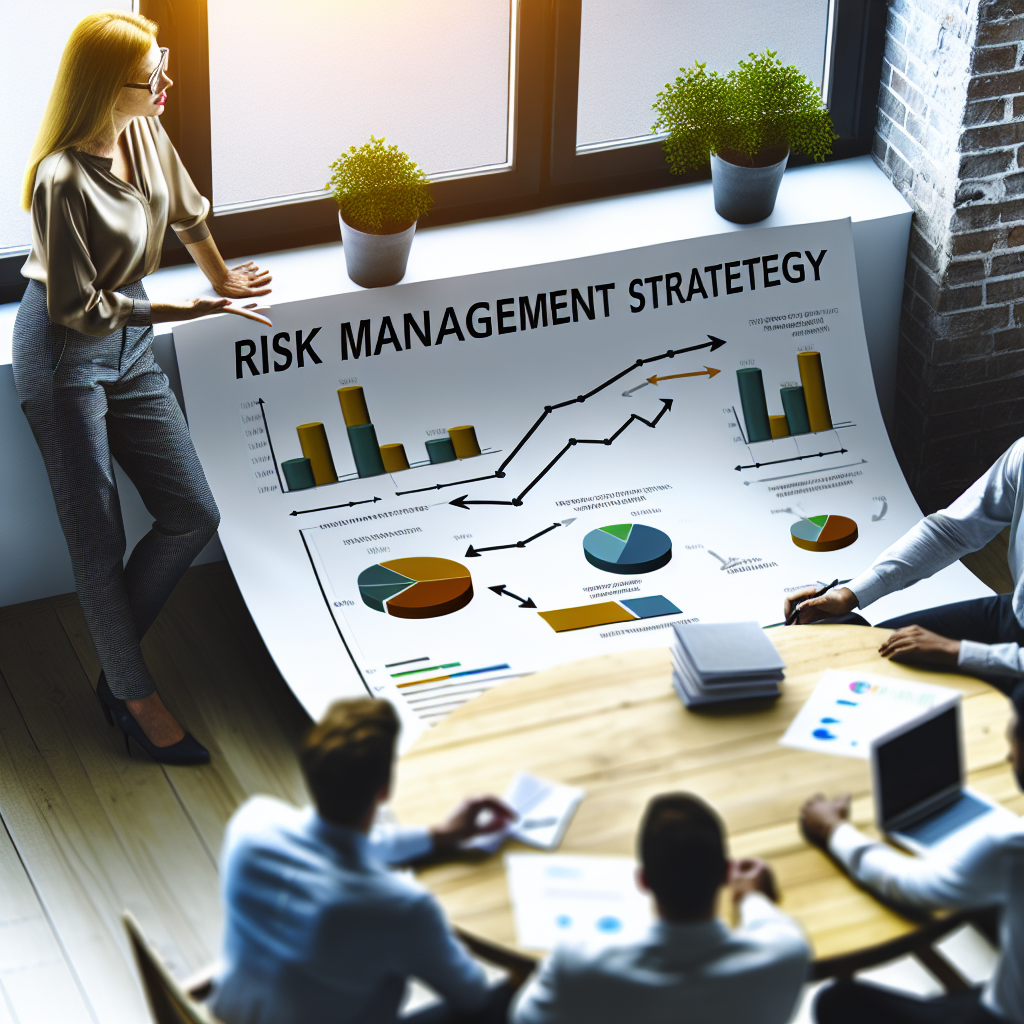
In today’s rapidly evolving business environment, success is as much about anticipating future trends as it is about managing present challenges. One factor consistently proving to be decisive in determining business fortunes is the effective management of risk. In the highly interconnected world we live in, risks can range from financial downturns and cyber threats to regulatory changes and market volatility. Businesses, regardless of their size or industry sector, need comprehensive strategies to manage these risks effectively to ensure enduring success.
Risk management is a discipline that involves identifying, assessing, and prioritizing risks followed by coordinated efforts to minimize, monitor, and control the probability or impact of unfortunate events. Though it may seem straightforward, the practice requires a thorough understanding of numerous facets of business operations and the environment in which a company operates. As corporate landscapes grow more complex, the need for sophisticated risk management strategies becomes increasingly critical.
Over the years, risk management has evolved from being a primarily financial concern to one that encompasses strategic, operational, and technological aspects. Effective risk management strategies not only safeguard businesses from potential pitfalls but also contribute positively to their reputation, efficiency, and profitability. Indeed, in a world where change is the only constant, having a sound risk management strategy is not just beneficial; it is indispensable.
In this comprehensive guide, we will delve into the essential components of risk management strategies that businesses must employ to succeed. From understanding the basics and identifying different types of risks to assessing and formulating a plan, this article aims to equip business leaders with the knowledge to forge resilient paths forward.
Introduction to Risk Management: Understanding the Basics
Risk management is a systematic process where businesses plan, identify, analyze, act upon, and monitor the risks that can potentially affect their operations. At its core, it seeks to capitalize on opportunities while minimizing threats. Understanding the fundamental principles of risk management is the first step toward building successful strategies that align with organizational goals.
The discipline of risk management encompasses several steps, including the identification of potential risks, evaluating their possible impact on the business, and determining the best course of action to mitigate these risks. It’s an ongoing process, requiring continual assessment and adjustment as both internal and external environments evolve. The risks businesses face can be categorized into various types including strategic, operational, compliance, financial, and reputational risks.
An effective risk management strategy is one that integrates seamlessly into the overall management process of an organization. It requires involvement from all levels of the organization, starting at the top with leadership commitment and cascading down to functional teams who execute daily operations. This integration ensures that risk management becomes part of the organizational culture, promoting proactive rather than reactive responses to potential challenges.
Identifying Different Types of Risks in Business
Understanding and identifying the various types of risks that a business may face is crucial for preparation and protection. Risks can be broadly classified into several categories, each presenting unique challenges and requiring tailored strategies for management.
Strategic Risks
Strategic risks arise from the fundamental strategies a business uses to achieve its objectives. These include risks from market competition, shifts in consumer preferences, and technological advancements. Strategic risks are closely tied to a company’s long-term goals and require top-level management and board members’ attention to gauge their potential impact correctly.
Operational Risks
Operational risks pertain to the everyday functioning of a business. These include risks related to internal processes, people, and systems. Common sources of operational risks include system failures, human errors, or supply chain disruptions. Managing these risks often involves oversight of operational procedures and maintaining high standards for process management.
Financial Risks
Financial risks are associated with monetary loss and can stem from a number of areas, including market fluctuations, credit conditions, and foreign exchange rate volatility. Managing financial risks requires a robust financial planning and analysis function alongside sound forecasting to understand the potential financial landscape that could impact the business.
To manage these diverse risks effectively, businesses need to adopt a flexible approach, continuously revisiting and revising their risk profiles and mitigation strategies.
The Importance of Risk Assessment and Analysis
Risk assessment and analysis is the cornerstone of any robust risk management strategy. This process allows organizations to understand potential risks and their implications on business operations.
The risk assessment process begins with risk identification, where risks are systematically recognized through an in-depth examination of all operational aspects. Once these risks are identified, analysis is conducted to evaluate their potential impact and likelihood. This step is crucial as it informs the prioritization of risks, ensuring that the greatest resources are allocated to managing the most significant threats.
Risk analysis involves both qualitative and quantitative approaches. Qualitative analysis helps rank risks based on their severity and frequency, whereas quantitative analysis uses numerical values and statistical models to predict losses. This dual approach ensures that businesses can develop a comprehensive understanding of their risk environment.
Decision-Making and Prioritization
Effective risk analysis facilitates informed decision-making. By understanding the likelihood and consequence of risks, businesses can prioritize which issues require immediate attention and resources. This approach is vital for resource allocation, ensuring that security measures and financial investments are directed toward areas with the most significant potential impact.
Continuous Improvement
Moreover, risk assessment and analysis is not a one-time process—it needs to be continual. Organizations should implement systems that allow for regular evaluation and adaptation as new risks emerge and existing ones evolve. This adaptability is essential in maintaining a competitive advantage and resilience against potential disruptions.
Developing a Risk Management Plan: Key Steps
A risk management plan is an integral part of organizational planning. It lays out how a business will handle risks that could impact its operations, helping to prevent issues before they arise and guiding recovery efforts when needed.
Establishing Objectives and Context
The first step in developing a risk management plan involves clearly defining the business objectives and understanding the context in which the business operates. This includes identifying the internal and external environments that can affect the organization. Establishing a clear context helps align risk management efforts with overall business goals.
Identifying and Evaluating Risks
Following this, businesses need to systematically identify and evaluate risks within the organization. This involves looking at past incidents, industry reports, and trends to identify potential risks. Tools such as SWOT analysis, PESTLE analysis, and risk matrices can aid in this process.
Designing Mitigation Strategies
Based on the evaluated risks, businesses then need to design appropriate mitigation strategies. These strategies may include transferring risk through insurance, avoiding risk entirely by discontinuing risky processes, accepting risk where it is inconsequential, or reducing risk by implementing control measures.
Implementation and Review
A risk management plan must be actionable, with clear procedures for implementation. This includes assigning responsibilities, setting timeframes, and defining monitoring processes. Regular review and updates of the risk management plan are necessary to accommodate any changes in the risk landscape, thereby ensuring its relevance and effectiveness over time.
Implementing Risk Mitigation Strategies
Once a risk management plan is in place, the next step is the implementation of risk mitigation strategies. Risk mitigation involves taking steps to reduce adverse effects or enhance the opportunities presented by a risk.
Diversification and Redundancy
One of the simplest ways to mitigate risk is through diversification. By spreading investments, resources, or processes across various areas, businesses reduce exposure to a single point of failure. Similarly, redundancy—particularly in critical systems—ensures there is backup support in case primary systems fail.
Establishing Internal Controls
Internal controls are mechanisms that provide assurance that operations are efficient, risk management is effective, and company policies are being followed. These controls include checks and balances, such as automated systems for quality control, regular audits, and performance reviews.
Training and Communication
Employee training is crucial as it prepares staff to handle risk-related situations and fosters an informed culture. Open communication channels ensure that all levels of staff are aware of risk management procedures and are ready to act swiftly and appropriately.
Emergency Planning
Having contingency plans in place is imperative for effective risk mitigation. These plans should outline steps to take in the event of a disaster or other significant crisis, ensuring business continuity is maintained or swiftly resumed.
By leveraging these strategies, businesses can mitigate the impact of risks while also tapping into potential opportunities that arise from taking calculated risks.
Monitoring and Reviewing Risk Management Processes
Risk management is an ongoing process requiring periodic review and monitoring to ensure its effectiveness and adaptability to changing conditions. Continuous monitoring provides the data necessary to evaluate the performance of the risk management plan and the strategies embedded within it.
Regular monitoring involves assessing the risk environment, noting any changes, and identifying new risks as they emerge. This also includes tracking the effectiveness of risk control measures, ensuring they are still relevant and effective in managing identified risks.
Performance Metrics and KPIs
Establishing performance metrics and Key Performance Indicators (KPIs) is vital in measuring the success of risk management processes. These KPIs might include the number of incidents avoided, time taken to resolve incidents, or financial impact of disruptions mitigated. Having clear metrics allows organizations to gauge their progress and highlight areas that require improvement.
Audit and Compliance
Regular audits ensure that risk management processes adhere to industry standards and regulatory requirements. These audits provide assurance that risk management strategies are consistently applied and effective in reducing risks to acceptable levels.
Feedback and Adaptation
Feedback from this monitoring process is used to adjust strategies and improve processes. Risk management is not static; it evolves with lessons learned from previous experiences and changes in the business environment. Keeping the risk management process adaptable allows companies to respond swiftly and effectively to unexpected challenges.
By embedding these practices into their operation, businesses can ensure they remain resilient and better prepared to face future challenges.
The Role of Technology in Risk Management
Technology plays a pivotal role in modern risk management, greatly enhancing the ability to identify, assess, and mitigate risks. As digital transformation becomes the norm, leveraging technology can offer significant advantages to organizations in managing risks effectively and efficiently.
Automation and Data Analytics
Automation streamlines risk management processes, reducing the potential for human error and increasing efficiency in risk monitoring. Data analytics allows for the analysis of large volumes of data, uncovering risk trends and patterns that might otherwise go unnoticed. Advanced analytics tools enable risk managers to predict risks with greater accuracy and respond proactively.
Cybersecurity Measures
With rising cyber threats, technology is crucial in securing organizational data and infrastructure. Implementing advanced cybersecurity measures such as encryption, firewalls, and intrusion detection systems helps protect businesses from breaches that could compromise sensitive information and disrupt operations.
Risk Management Software
Specialized risk management software provides a centralized platform for tracking, reporting, and managing risks. These tools offer features like automated reporting, dashboards for visualizing risk data, and integration with other business systems, thereby enhancing decision-making and strategic planning.
By integrating modern technologies into their risk management frameworks, businesses can significantly enhance their ability to manage risks and exploit opportunities effectively.
Case Studies: Successful Risk Management in Action
Examining real-world examples provides valuable insights into how businesses effectively implement risk management strategies. Let’s explore a few successful case studies that highlight different aspects of risk management.
Case Study 1: A Retail Giant’s Response to Supply Chain Disruptions
A leading retail company faced significant supply chain disruptions due to unforeseen natural disasters affecting its suppliers. By employing a risk management strategy centered around diversification and building a robust supplier network, the company was able to source materials from alternate suppliers, minimizing the disruption’s impact on production and sales.
Case Study 2: Financial Institution and Cyber Risk Management
A major financial institution implemented a comprehensive cybersecurity program that included continuous training, regular audits, and advanced monitoring tools to mitigate the constantly evolving cyber risks. As a result, the institution successfully thwarted several phishing and malware attack attempts, maintaining customer trust and protecting sensitive financial data.
Case Study 3: Health Sector Response to Operational Risks
A healthcare organization faced significant operational risks during a pandemic. Through real-time data analytics and robust contingency planning, the organization quickly adapted its processes, scaled up its telehealth services, and managed patient care efficiently, showcasing resilience in unprecedented circumstances.
These case studies illustrate that effective risk management involves a well-rounded approach tailored to specific industry and contextual needs.
Common Challenges in Risk Management and How to Overcome Them
Despite the best efforts, businesses often encounter several challenges in the process of managing risks. Understanding these challenges and adopting best practices to overcome them is crucial for successful risk management.
Lack of Awareness and Understanding
One of the primary challenges is a lack of awareness and understanding of risk management principles among staff. This gap can be bridged by implementing comprehensive training programs and workshops to improve knowledge and encourage a risk-aware culture.
Resistance to Change
Resistance to adopting new risk management strategies or technologies can hinder progress. It is important to foster an organizational culture that values innovation and change. Highlighting the benefits of effective risk management and involving staff in the planning process can help minimize resistance.
Complexity and Data Overload
The complexity of modern businesses and the volume of data can make risk management seem daunting. Businesses can mitigate this challenge by investing in robust information systems and tools that simplify data management and analysis.
By acknowledging these challenges and employing effective strategies to address them, businesses can create a resilient risk management framework that supports long-term success.
The Future of Risk Management: Trends and Predictions
Risk management is continuously evolving, with new trends shaping the way businesses approach risk. Understanding these emerging trends can help organizations prepare for future challenges and opportunities.
Increasing Complexity and Interconnectivity
As global interconnectivity increases, so does risk complexity. Businesses need to adopt more sophisticated risk management systems that can quickly adapt to changes in regulatory, environmental, and market conditions.
Integrating ESG Risks
Environmental, Social, and Governance (ESG) factors are gaining prominence, with businesses increasingly held accountable for their ESG impact. Integrating ESG risks into overall risk management will be crucial for businesses seeking sustainable growth and compliance with evolving regulations.
Data-Driven Decision Making
As data becomes an integral asset, the use of artificial intelligence (AI) and machine learning (ML) for predictive analytics will enhance risk management strategies. These technologies offer insights that can drive more informed and proactive decision-making.
By staying abreast of these trends, businesses can ensure their risk management strategies remain relevant and robust, positioning themselves strongly against future uncertainties.
Conclusion: Building a Resilient Business Through Effective Risk Management
In an era defined by rapid change and uncertainty, effective risk management is non-negotiable for businesses aspiring for long-term stability and growth. By integrating comprehensive risk management strategies into the core of their operations, businesses can navigate complexities with greater confidence and clarity.
Risk management extends beyond simply avoiding threats; it encompasses leveraging opportunities that align with business goals while mitigating potential drawbacks. Such an approach enables businesses to remain adaptive, resilient, and competitive regardless of the external conditions.
Ultimately, successful businesses view risk management as an ongoing, dynamic process ingrained in their corporate culture. By doing so, they not only protect themselves from potential perils but also enhance their capacity to thrive in an unpredictable world.
Recap
- Risk management is a critical business strategy that involves identifying, assessing, and prioritizing risks.
- Different types of risks include strategic, operational, financial, and market-related risks.
- Risk assessment and analysis guide informed decision-making and prioritization of resources.
- Developing and implementing a risk management plan involves context understanding, risk evaluation, and strategy design.
- Technology plays a significant role in enhancing risk management process efficiency.
- Case studies provide real-world examples of successful risk management in action.
- Challenges such as lack of awareness, resistance to change, and data complexity can be overcome through training, fostering a risk-aware culture, and investing in technology.
- Emerging trends include increased complexity, integrating ESG risks, and leveraging AI and ML for data-driven decision making.
FAQ
1. What is the primary objective of risk management?
The primary objective of risk management is to identify, analyze, and mitigate risks that could adversely impact business operations, thereby ensuring business continuity and capitalizing on potential opportunities.
2. How does technology aid in risk management?
Technology aids risk management by automating processes, enabling data-driven decision-making, and enhancing cybersecurity measures, which collectively help in efficiently managing risks and minimizing potential impacts.
3. How often should a business review its risk management plan?
A business should review its risk management plan regularly, typically annually, or whenever significant changes occur in its operational environment to ensure its relevance and effectiveness in addressing emerging risks.
4. What is the role of risk assessment in the risk management process?
Risk assessment plays a critical role in the risk management process as it helps identify and prioritize risks, informing decision-making and resource allocation to effectively mitigate potential impacts.
5. Why is employee training important in risk management?
Employee training is crucial because it equips staff with the knowledge and skills necessary to identify, assess, and respond to risks, fostering a culture of risk awareness and proactive management throughout the organization.
References
- Lemon, M., & Franklin, S. (2022). “Risk Management: Concepts and Strategies.” Global Business Journal.
- Singh, R. (2023). “The Role of Technology in Modern Risk Management.” Journal of Business and Technology.
- Chen, L. (2021). “Emerging Trends in Risk Management and Their Implications.” Journal of Risk and Management Studies.