
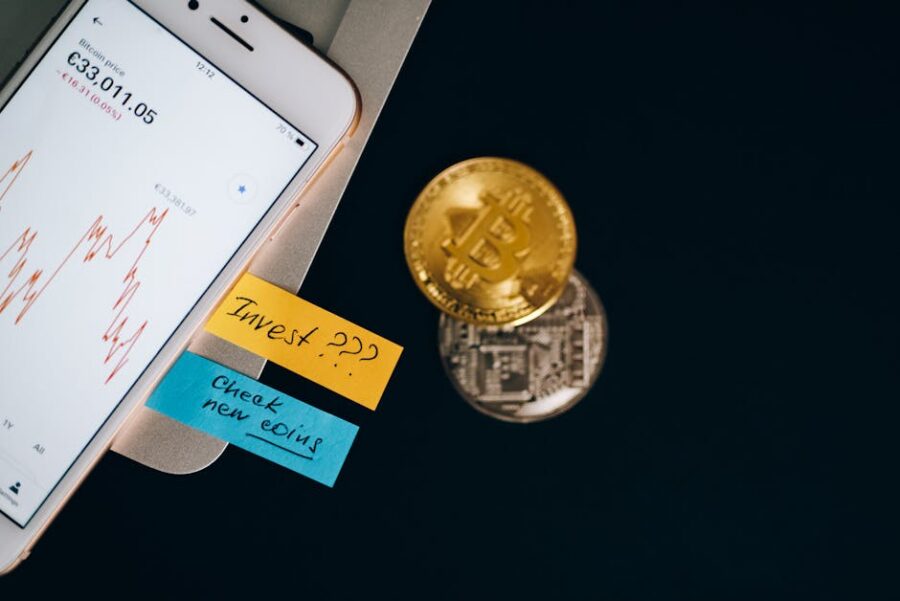
Investing in commodities and precious metals is a time-tested method for diversifying a portfolio and safeguarding wealth against inflation and market volatility. While the stock market often takes the limelight in investment discussions, commodities and precious metals offer unique benefits and opportunities that can complement traditional asset classes. They provide a tangible way to diversify beyond equities, bonds, and real estate, giving investors exposure to global supply and demand dynamics.
Commodities, which include physical goods like oil, grains, and metals, have long been integral to international trade and economic development. These assets play a crucial role in our daily lives, affecting everything from the goods we consume to the fuel powering our vehicles. Precious metals like gold and silver, on the other hand, carry historical significance as stores of value, symbols of wealth, and even currency alternatives during economic turmoil.
For beginning investors, understanding the landscape of commodities and precious metals can open up a realm of possibilities. The key is recognizing the inherent value these assets have due to their rarity, use cases, and the global economic factors that influence their prices. With evolving markets and geopolitical environments, these assets can also serve as a hedge against unexpected financial shocks.
In this comprehensive guide, we will explore the fundamentals of investing in commodities and precious metals. We will consider their benefits, types, and methods of investment, while also touching on the potential risks and challenges. Whether you’re looking to diversify your investments or seeking long-term financial security, this guide will provide crucial insights for making informed investment decisions.
Understanding Commodities and Precious Metals: An Overview
Commodities are raw materials or primary agricultural products that can be bought and sold, such as gold, oil, and wheat. They are critical components in the production processes across numerous industries, affecting consumer goods, energy production, and even technology. Commodities can be classified into two main types: hard and soft commodities. Hard commodities are natural resources that must be mined or extracted, like tin, oil, and precious metals. Soft commodities, on the other hand, are agricultural products or livestock.
Precious metals, a subset of commodities, are rare metallic elements that have high economic value. Defined by their inherent scarcity and industrial applications, metals like gold, silver, platinum, and palladium are popular investment options. Their value is often less volatile than other commodities, making them attractive for investors looking to hedge against inflation.
Investors can engage in commodities markets through various methods, including directly purchasing the physical asset, or investing in financial derivatives like futures contracts, ETFs (exchange-traded funds), or commodity-related stocks. Each method carries distinct advantages and risks, aligning differently based on an investor’s skill level, investment timeline, and risk appetite.
The Benefits of Investing in Commodities and Precious Metals
Investing in commodities and precious metals offers numerous advantages. One of the primary benefits is diversification. Unlike stocks and bonds, commodities can act independently of traditional markets. They provide portfolio insulation against economic downturns, particularly when inflation is high and traditional securities are underperforming.
Another significant benefit is that commodities and precious metals have an intrinsic value that stems from their real-world utility and consumption. For instance, oil is essential for transportation and industry, while precious metals like gold have industrial applications and are widely used in jewelry and technology sectors. This intrinsic value can offer stability and security, as demand for these resources remains fairly consistent regardless of market conditions.
Moreover, commodities can be an effective hedge against rising inflation. This is because commodity prices often reflect inflationary trends, meaning their value tends to rise along with the overall price levels. As commodities are tangible assets that are consumed, their supply cannot be easily increased, adding to their inflationary hedge capabilities.
Types of Commodities: Energy, Agriculture, and Metals
Commodities are diverse and can be classified primarily into three categories: energy, agriculture, and metals. Each category holds unique characteristics and influences.
Energy commodities encompass resources used for fuel and power, such as crude oil, natural gas, and coal. These are vital for industrial operations and transportation. The demand and supply of energy commodities are influenced by global economic health, technological advances, and political stability in oil-rich regions. Investing in energy commodities can be lucrative given their high volatility and essential role in economic activity.
Agricultural commodities include products like wheat, coffee, sugar, and soybeans. These are influenced by seasonal factors, weather patterns, and government policies on trade and agriculture. For investors, agriculture offers opportunities due to fluctuating global demand and export restrictions.
Metals, on the other hand, include industrial metals like copper and aluminum, alongside precious metals. Industrial metals are crucial for manufacturing and construction, showing demand cycles aligned with industrial activity and economic growth. Investors interested in these might consider how global infrastructure developments and technological advancements can spur demand.
Precious Metals: Gold, Silver, Platinum, and Palladium
Precious metals are not only valued for their rarity but also for their wide range of industrial and practical applications. Gold and silver have been used as currency and jewelry for centuries, while platinum and palladium are essential in automotive catalytic converters and electronics.
Gold is perhaps the most well-known precious metal, revered for its durability and beauty. It serves as a safe-haven asset in times of economic uncertainty. Investors use gold to diversify portfolios, hedge against inflation, and secure value during market volatility. The metal’s historical stability attracts those looking for long-term security.
Silver carries similar uses to gold, but it has more industrial applications, particularly in electronics and solar energy production. This dual demand for both investment and industry allows silver to offer potentially high returns but with greater price volatility than gold.
Platinum and palladium are mainly used in industrial applications, including automobile manufacturing. Their prices are heavily influenced by industrial demand and supply chain changes, making them attractive to investors seeking exposure to different economic sectors.
How to Start Investing in Commodities: Futures, ETFs, and Stocks
There are various pathways to invest in commodities and precious metals, each suitable for different investor types and market outlooks.
Futures contracts are agreements to buy or sell a commodity at a predetermined price on a set future date. They offer immense leverage, allowing investors to gain significant exposure to commodity price movements. However, futures require expertise due to their complex nature and potential risk involved with market fluctuations.
ETFs (Exchange-Traded Funds) are one of the more accessible methods for retail investors to enter commodity markets. These funds track specific commodity indexes or prices, enabling investors to gain exposure without the need for handling physical assets or futures contracts. For example, investing in a gold ETF would mirror owning physical gold, offering simplicity and liquidity.
Commodity stocks involve investing in companies that produce or deal with commodities. This could mean buying stocks of mining companies, oil producers, or agricultural firms. These stocks can be appealing as they offer an indirect way to profit from commodity price movements while adding an equity dimension to an investor’s portfolio.
Risks and Challenges in Commodity and Precious Metal Investments
As with any investment, there are risks associated with commodities and precious metals. Price volatility is one of the major risks, as commodity prices can fluctuate significantly due to supply-demand mismatches, geopolitical tensions, and environmental conditions.
Commodities markets are also susceptible to political risks, especially since many are produced in politically unstable regions. There is a risk of government intervention, export restrictions, or tariffs that can unpredictably alter prices and availability of commodities.
Investors also face risks related to economic cycles and inflation rates. During periods of economic recession, demand for industrial commodities may decline, affecting prices negatively. Meanwhile, commodities that often serve as inflation hedges can result in uneven returns over shorter periods.
Diversifying Your Investment Portfolio with Commodities
Diversifying an investment portfolio with commodities can be an effective risk management strategy. Introducing commodities can offset losses from traditional investments and provide a counterbalance during the times of market uncertainty.
Investors can achieve diversification through:
- Cost-efficient ETFs that cover a broad spectrum of commodities
- Direct investment in a mix of physical precious metals and commodities
- Strategic allocation in commodity-producing stocks such as mining or agriculture-based companies
A balanced approach ensures exposure to various commodities, minimizing the impact of individual market fluctuations, and spreading risk across different asset types.
Analyzing Market Trends and Price Fluctuations
Understanding market trends and price movements is essential for any commodity investor. Historical data can provide insight into how different commodities perform under various economic conditions. Seasonal trends often affect specific agriculture commodities due to planting and harvest cycles.
Economic indicators like GDP growth rates, industrial production indexes, and manufacturing activity can affect demand for energy and industrial metals. Monitoring these indicators allows investors to anticipate possible price movements and adjust their strategies accordingly.
Additionally, investors should pay attention to speculative activities and sentiment in the market, as these can lead to short-term volatility. Long-term trends might be driven by fundamental changes in supply chain dynamics, technological advancements, and environmental policies.
The Role of Global Events in Commodity Prices
Global events have a significant bearing on commodity prices. For example, geopolitical tensions in oil-producing regions can lead to supply constraints and thus higher oil prices. Climate-related events such as hurricanes or droughts drastically impact agricultural commodities by influencing crop yield and supply levels.
Trade policies and tariffs can also alter the landscape, affecting the export and import costs of commodities. Investors must stay informed about global news and policy changes to anticipate potential impacts on the commodity markets.
Pandemics and health crises, such as COVID-19, have shown their capacity to disrupt global supply chains and shift demand patterns, affecting commodity prices in both the short and long term.
Tax Implications of Investing in Commodities and Precious Metals
Investing in commodities and precious metals can have varied tax implications. These depend on the type of investment and the jurisdiction of the investor.
Physical precious metals like gold and silver are often considered collectibles by tax authorities. Selling them might incur higher capital gains tax rates compared to traditional investments. Conversely, ETFs and mutual funds are generally taxed like ordinary stocks. When investing in futures, any profits are treated as either long-term or short-term capital gains, based on the holding period.
Investors need to consult tax professionals to understand specific liabilities and strategies for optimizing their after-tax approach when dealing with commodities and precious metals.
Tips for Long-Term Success in Commodity and Precious Metal Investments
To achieve long-term success in commodity and precious metal investments, one should consider the following strategies:
- Stay Informed: Continuously monitor market-related news, trends, and geopolitical developments that could affect your commodity portfolio.
- Diversify: Avoid depending solely on one commodity by holding a diverse portfolio that includes different types of commodities.
- Set Realistic Goals: Establish clear investment objectives and maintain a balanced approach tailored to your risk tolerance and financial situation.
- Use Professional Advice: Engage financial advisors with expertise in commodity markets for guidance in optimizing your investment strategy.
- Review and Adapt: Regularly assess your portfolio performance and adjust your investment strategy to align with evolving market conditions and personal circumstances.
FAQ
What are commodities in investing?
Commodities in investing are raw materials or primary goods such as oil, metals, and agricultural products that can be traded on exchanges. They serve as essential inputs in production across various industries and are a vital part of the global economy.
How can I invest in precious metals?
You can invest in precious metals through direct purchase of physical assets (like gold bars and coins), investing in stocks of companies that mine these metals, or buying ETFs that track the prices of specific precious metals.
Are commodities a good investment during inflation?
Yes, commodities are often considered an effective hedge against inflation. Their prices generally rise with inflation because they reflect increased costs of production and transportation.
What role do global events play in commodity prices?
Global events can significantly influence commodity prices by impacting supply and demand. Geopolitical tensions, trade policies, natural disasters, and pandemics can all affect the stability and pricing of commodities.
How do ETFs work in commodity trading?
ETFs in commodity trading allow investors to buy shares in funds that track particular commodity indices or hold reserves of the commodities themselves. They offer an accessible way to gain exposure to commodity price movements without directly holding the physical asset.
What are the risks of investing in commodity futures?
Investing in commodity futures comes with risks such as price volatility, potential for significant loss due to leverage, geopolitical risks, and market manipulation. Futures trading requires detailed market knowledge and a high-risk tolerance.
Is investing in gold still profitable?
Gold remains a profitable investment for many as it tends to maintain its value over time, acting as a safe haven during economic downturns and inflationary periods. However, returns can be impacted by market conditions and alternative investment popularity.
What tax considerations should I be aware of when investing in commodities?
Tax considerations vary by commodity and investment type. Physical precious metals often incur higher collectible tax rates, while ETFs and futures may have differing capital gains tax implications. Consulting with a tax advisor is advisable for specific guidance.
Recap
In this comprehensive guide, we examined investing in commodities and precious metals, outlining their benefits, types, and the methods for engaging with these markets. We analyzed the inherent risks involved and how best to incorporate these assets into a diversified portfolio. The guide also underscored the importance of understanding market and global event influences on commodity prices, as well as crucial tax implications and strategies for long-term investment success.
Conclusion
Investing in commodities and precious metals provides a strategic opportunity for diversifying your investment portfolio and safeguarding against economic uncertainties. These assets offer tangible value due to their real-world applications and historical significance as wealth preservers.
While speculative, commodities allow for practice of informed decision-making with attention to dynamic market forces and geopolitical landscapes. Long-term success in these investments comes from ongoing education, diversification, and strategic planning, ensuring your portfolio remains resilient across different market conditions.
As you venture into commodities and metals, keep vigilance over global trends and leverage professional advice. By maintaining a proactive approach, you can position your investments to not only weather economic fluctuations but also thrive amidst them, securing your financial future.