
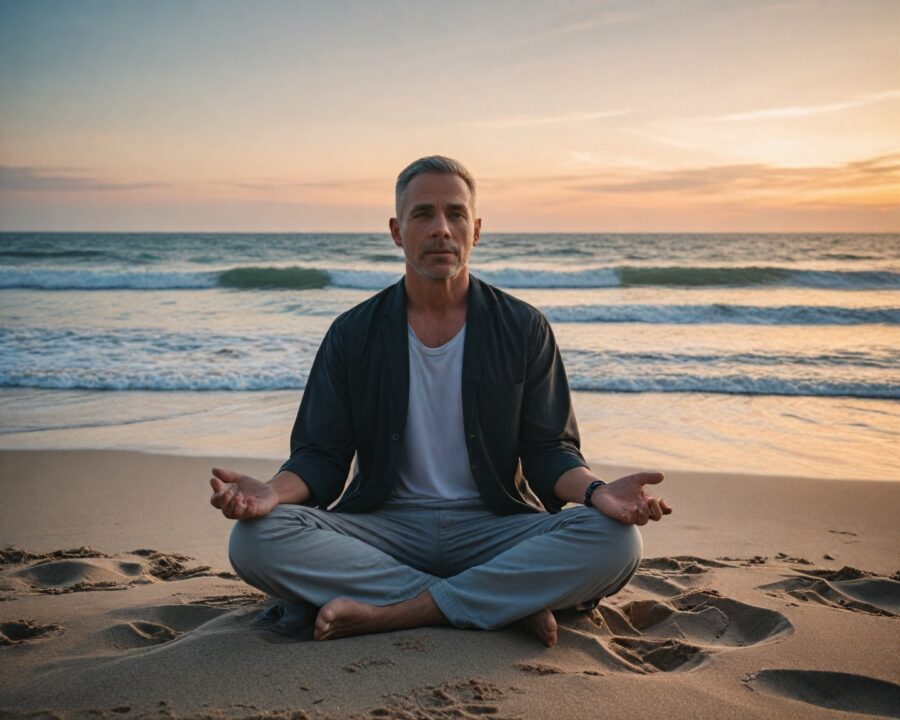
Introduction to Emotional Resilience and Its Importance
In the fast-paced, ever-changing world we inhabit, emotional resilience is a vital skill to develop. It refers to the ability to adapt to, recover from, and grow stronger in the face of life’s stressors and adversities. Emotional resilience isn’t about avoiding or ignoring difficult emotions; rather, it’s about managing them effectively and bouncing back stronger after setbacks. This attribute can lead to improved mental health, better relationships, increased productivity, and an overall sense of well-being.
The significance of emotional resilience cannot be overstated. It empowers individuals to navigate life’s challenges with confidence and poise. Those who cultivate resilience are often able to maintain a positive outlook and find meaning in their experiences, even when faced with significant challenges. Developing emotional resilience is an ongoing process, but one effective approach to enhancing this ability is through meditation.
The Science Behind Meditation and Emotional Resilience
Meditation, a practice rooted in ancient traditions, has gained significant attention from the scientific community over the past few decades for its numerous physical and mental health benefits. Studies indicate that meditation leads to changes in brain function and structure, specifically in areas related to attention, emotional regulation, and self-awareness, all of which are crucial for building emotional resilience.
Neuroscientific research suggests that regular meditation practice can increase the thickness of the prefrontal cortex, the part of the brain responsible for higher-order functions like concentration, decision-making, and emotional control. This enhancement helps individuals become more adept at regulating emotions and responding effectively to stress. Additionally, meditation stimulates the production of gamma waves, associated with heightened awareness and focus, providing a foundation for emotional resilience.
Moreover, meditation reduces activity in the default mode network (DMN) of the brain, which is often responsible for mind-wandering and self-referential thoughts that can lead to rumination and anxiety. By calming the DMN through meditation, individuals can experience fewer distractions from negative thoughts, promoting a clearer, more resilient mindset.
How Mindfulness Practices Enhance Emotional Strength
Mindfulness, a core component of meditation, involves maintaining an open and non-judgmental awareness of the present moment. Cultivating mindfulness enables individuals to observe their thoughts and emotions without becoming overwhelmed by them, fostering an environment for emotional resilience to flourish.
Engaging in regular mindfulness practices helps in developing emotional strength by:
-
Increasing awareness of emotional triggers: By paying attention to physical sensations, thoughts, and feelings as they arise, mindfulness practitioners become more attuned to their emotional triggers. This awareness can help interrupt automatic responses to stress and develop healthier coping mechanisms.
-
Enhancing emotional regulation skills: Mindfulness improves the ability to manage difficult emotions. By observing emotions non-judgmentally, practitioners can learn to respond thoughtfully rather than react impulsively.
-
Promoting acceptance and non-attachment: Mindfulness fosters acceptance of emotions as natural occurrences without clinging to or avoiding them, reducing the emotional burden and paving the way for greater resilience.
Through consistent mindfulness practice, individuals can strengthen their capacity to handle life’s challenges, fostering a resilient mind capable of adapting to change with grace and composure.
Step-by-Step Guide to Starting Meditation for Resilience
Embarking on a meditation journey to build emotional resilience can be both rewarding and transformative. Beginners may find the idea daunting, but the following step-by-step guide can simplify the process and help individuals establish a sustainable practice:
-
Set your intention: Understand your motivation for meditating. Reflect on your goals for developing emotional resilience and how meditation might help achieve them.
-
Create a dedicated space and time: Choose a quiet, comfortable location free of distractions. Designate a specific time each day for meditation to create consistency.
-
Start small and grow steadily: Begin with a few minutes of meditation daily, gradually increasing the duration as you become more comfortable. Consistency is more important than duration when starting out.
-
Focus on your breath: Breathing is a fundamental aspect of meditation. Focus on inhaling and exhaling naturally. When thoughts arise, gently redirect your attention to your breath.
-
Explore different types of meditation: Experiment with various meditation techniques, such as guided, loving-kindness, or body scan meditation, to find what resonates best.
-
Be patient with yourself: Building a meditation practice takes time and effort. Remember, every moment spent in meditation contributes to building emotional resilience.
By following these steps, beginners can lay a strong foundation for their meditation practice, gradually leading to increased emotional resilience.
Common Challenges in Meditation and How to Overcome Them
Despite its numerous benefits, meditation can present challenges, especially for beginners. Recognizing these hurdles and employing effective strategies can make the journey smoother:
-
Difficulty concentrating: Many beginners struggle with maintaining focus during meditation. This is natural, and with practice, concentration will improve. Consider using concentration aids, such as counting breaths or focusing on a mantra.
-
Restlessness or discomfort: Physical discomfort or restlessness can be distracting. Ensuring a comfortable meditation posture, using cushions, or trying seated positions may alleviate discomfort.
-
Intrusive thoughts: It’s common for thoughts to arise during meditation. Instead of resisting them, acknowledge their presence and gently guide your focus back to your breath.
-
Frustration with progress: Some individuals may feel frustrated by perceived lack of progress. It’s crucial to remind oneself that meditation is a gradual process. Celebrate small victories, such as noticing a calmer mind or improved emotional responses.
By addressing these challenges with patience and kindness towards oneself, practitioners can enhance their meditation experience and bolster their emotional resilience.
The Role of Breathing Techniques in Emotional Regulation
Breathing techniques serve as vital tools in the regulation of emotions and enhancement of emotional resilience. Different breathing patterns can directly influence our physiological and psychological states, offering a sense of calm and control during stressful situations.
Three effective breathing techniques for emotional regulation include:
-
Diaphragmatic breathing: Also known as deep breathing, this technique activates the body’s relaxation response by engaging the diaphragm. It involves slow, deep inhalations through the nose, allowing the abdomen to rise, followed by controlled exhalations.
-
Box breathing: This structured method involves inhaling, holding the breath, exhaling, and pausing, each for four counts. Box breathing can help manage anxiety and improve focus by regulating the nervous system.
-
4-7-8 breathing: This technique involves inhaling for a count of four, holding for seven, and exhaling for eight. Practicing 4-7-8 breathing can quickly induce relaxation and help mitigate stress responses.
Incorporating these breathing exercises into meditation practice can enhance emotional regulation, contributing significantly to emotional resilience.
How to Integrate Meditation Into Daily Routines
Integrating meditation into daily life ensures a consistent practice, critical for developing emotional resilience. Here are ways to weave meditation seamlessly into routines:
-
Incorporate meditation in your morning routine: Begin your day with meditation to set a positive tone and enhance emotional resilience throughout the day.
-
Mini meditation breaks: Use brief meditation sessions, such as a 5-minute breathing exercise, during work breaks to reset and refresh your mind.
-
Pre-sleep meditation: Practicing meditation before bed can promote relaxation and improve sleep quality, essential components of emotional resilience.
-
Mindful transitions: Use daily transitions, such as commuting or meal preparation, as opportunities for mindfulness practices. Engage in deep breathing or focus on your senses to stay present.
By embedding meditation into everyday activities, individuals can build a habitual practice that strengthens emotional resilience effectively.
Real-Life Examples of Emotional Resilience Through Meditation
Numerous individuals have experienced transformative changes in their emotional resilience through meditation. Consider the following real-life examples:
-
Emma, a corporate executive: Emma faced high levels of stress and burnout. Introducing a daily meditation routine, she learned to manage her stress better, improve work-life balance, and increase her productivity, reinforcing her emotional resilience.
-
Jason, a college student: Struggling with the anxiety of academics and social pressures, Jason adopted mindfulness meditation. Regular practice helped him develop greater self-awareness, manage anxiety, and improve emotional responses in demanding situations.
-
Sarah, a mother of three: Managing a household and work responsibilities left Sarah overwhelmed. Meditation became her refuge, allowing her to cultivate patience, adaptability, and a deeper connection with her family, enhancing her emotional strength.
These narratives highlight meditation’s profound impact on emotional resilience, showcasing its potential to improve well-being across various facets of life.
Tips for Tracking Progress and Staying Consistent
Maintaining a consistent meditation practice and tracking progress are essential for building emotional resilience. Here are some tips to stay on track:
-
Journal your experiences: Keep a meditation journal to document your observations, challenges, and achievements. Reflecting on progress can offer motivation and insights into areas of growth.
-
Set realistic goals: Establish specific and achievable meditation goals, such as meditating for a certain number of days each week or increasing session length gradually.
-
Use meditation apps: Apps offer guided meditations, reminders, and progress tracking features. Popular options include Headspace, Calm, and Insight Timer.
-
Join a meditation group: Engage with a community for support and accountability. Group meditation can enhance motivation and deepen your practice through shared experiences.
-
Celebrate milestones: Acknowledge and celebrate the milestones you reach in your meditation journey, reinforcing positive behavior and commitment.
Through consistent practice and regular progress tracking, individuals are more likely to strengthen their emotional resilience and experience the benefits of meditation in their lives.
Next Steps: Resources and Tools for Deepening Your Practice
For those eager to deepen their meditation practice and further enhance emotional resilience, various resources and tools are available:
-
Books: Explore literature on meditation and mindfulness, such as “The Miracle of Mindfulness” by Thich Nhat Hanh and “Wherever You Go, There You Are” by Jon Kabat-Zinn.
-
Online courses: Engage in structured courses to gain a deeper understanding of meditation practices. Websites like Coursera and Udemy offer a range of courses suited for different levels.
-
Meditation retreats: Attending a meditation retreat can provide intensive experience and personalized guidance from experienced instructors, allowing for significant growth in practice.
| Resource Type | Recommendation | Target Audience | Description |
|---|---|---|---|
| Books | “The Miracle of Mindfulness” by Thich Nhat Hanh | Beginners and intermediates | A guide to practical mindfulness techniques for everyday life. |
| Online courses | Coursera’s “Mindfulness and Well-being” | Intermediate | Offers comprehensive lessons on enhancing well-being through mindfulness. |
| Meditation apps | Headspace, Calm | All levels | Provide guided meditations and progress tracking features. |
| Retreat centers | Spirit Rock Meditation Center | All levels | Offers various programs and retreats for deepening meditation practice. |
Using these resources, individuals can find the support and knowledge they need to continue building emotional resilience through meditation.
Frequently Asked Questions (FAQ)
What is emotional resilience?
Emotional resilience is the capacity to recover from life’s challenges and adversities while maintaining a positive outlook. It involves adapting to change, managing stress, and learning from experiences to become stronger.
How does meditation help build emotional resilience?
Meditation enhances emotional resilience by improving emotional regulation, increasing self-awareness, and reducing stress. It promotes a calm and focused mind, enabling individuals to handle challenges effectively.
Can beginners build emotional resilience through meditation?
Yes, beginners can build emotional resilience through meditation by starting with simple practices, growing their skills gradually, and integrating mindfulness into their daily routines.
How long should I meditate daily to see benefits?
While benefits can be experienced with as little as 5-10 minutes of daily meditation, many people find that practicing for 20-30 minutes leads to more profound benefits in emotional resilience.
Are there specific meditation techniques for emotional resilience?
Techniques such as mindfulness meditation, loving-kindness meditation, and body scan meditation are especially effective for building emotional resilience, as they focus on awareness, compassion, and bodily sensations.
What should I do if I face challenges in my meditation practice?
If you face challenges such as difficulty concentrating or restlessness, try adjusting your practice by using guided meditations, changing your posture, or decreasing session length while building consistency.
Recap
- Emotional resilience is vital for handling life’s challenges, and meditation is an effective tool for enhancing it.
- Scientific research supports the positive effects of meditation on brain structure and function related to emotional regulation.
- Mindfulness practices increase emotional awareness, regulation, and acceptance, fostering emotional resilience.
- Incorporating meditation into daily routines, using breathing techniques, and addressing challenges can strengthen one’s practice.
- Real-life examples illustrate the transformative effect of meditation on emotional resilience.
- Utilizing resources such as books, online courses, and meditation apps can support growth in meditation practice.
Conclusion
In today’s demanding world, the cultivation of emotional resilience is more crucial than ever. As individuals face a multitude of stressors from personal, professional, and societal spheres, having the ability to manage emotions effectively and recover swiftly from setbacks is an invaluable skill. Meditation, with its time-honored tradition and modern scientific backing, offers a powerful means to develop this resilience.
Through regular meditation, practitioners can enhance their emotional regulation, self-awareness, and overall well-being. The benefits extend beyond the individual, influencing their relationships and interactions with the broader community. By embarking on this journey with patience, consistency, and a willingness to learn, individuals can transform their approach to life’s challenges and unlock a deeper sense of peace and confidence.
As you contemplate the role meditation can play in your life, remember that every small step is a contribution to your emotional growth. Whether you’re new to meditation or seeking to deepen your practice, use the resources and guidance shared in this article to support your path. As you build emotional resilience, you not only enhance your quality of life but also empower yourself to navigate the world with greater ease and purpose.