
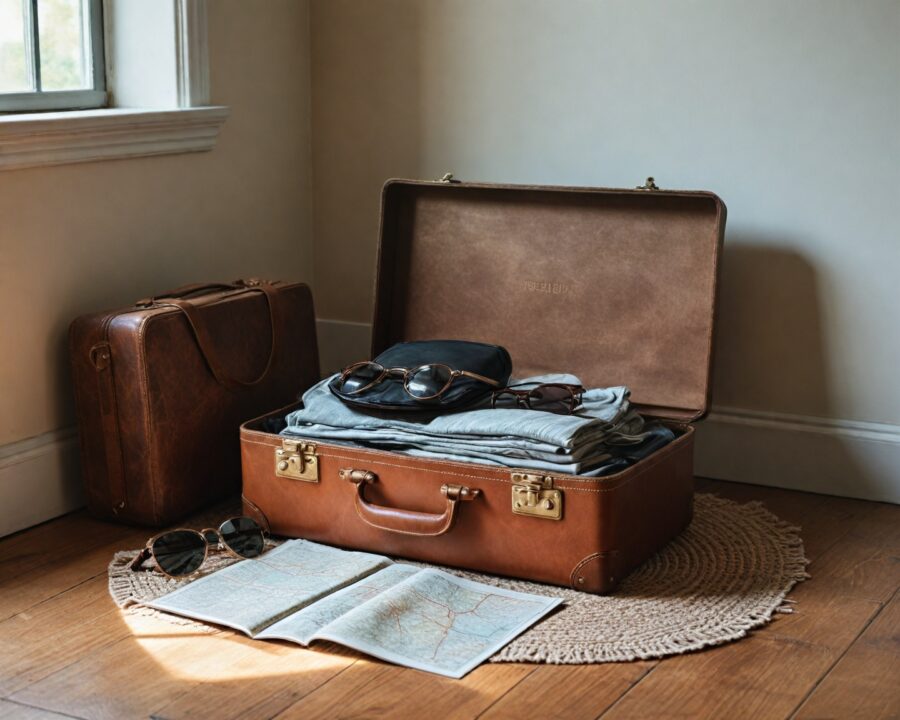
Understanding the climate and culture of your destination
Embarking on a long-term exchange program is an exciting adventure, offering you the opportunity to experience life in a different part of the world. A key aspect of preparing for this journey is understanding the climate and culture of your destination. This knowledge will not only inform your packing strategy but also help you acclimate more quickly to your new home. Climate variations can greatly impact what you’ll need to bring, both in terms of clothing and other essentials, while cultural norms may influence your personal presentation and gifts.
Before you start stuffing your suitcase, research the seasonal weather patterns in your host country. Consider the temperature ranges, humidity levels, and precipitation forecasts for the time you’ll be staying. Websites like the World Weather Online or the local meteorological sites can offer reliable information. Also, check the academic calendar if your exchange is through a university, as this will give you an idea of the time frame and seasonal shifts you may encounter. Understanding these climate dynamics is crucial as it determines the types of clothing and accessories you should prioritize.
Equally important is grasping the cultural nuances that might affect your packing decisions. Dive into guidebooks, online forums, or speak with past exchange students to get a sense of local customs and traditions. For instance, knowing whether your destination has a formal or casual approach to dress codes can save you from unnecessary packing errors. Additionally, cultural insights can be invaluable when deciding on which gifts or sentimental items to bring as a gesture of goodwill, reflecting your appreciation for your host community’s way of life.
Creating a packing checklist for long-term stays
A packing checklist is the backbone of an organized approach to preparing for a long-term exchange program. Begin by categorizing items based on their necessity and usage. Dividing your list into sections such as ‘Clothing’, ‘Toiletries’, ‘Documents’, and ‘Electronics’ can ease the packing process, ensuring you pack systematically without overlooking essentials. With a well-structured checklist, you’ll find it easier to focus on what truly matters for your stay abroad.
Start by listing all critical documents such as your passport, visa, and insurance papers at the top of your checklist. These are non-negotiable items that should be packed first in a secure, easily accessible location in your carry-on bag. Alongside these documents, include a section for packing extra passport-sized photos and photocopies of your important documents. These come in handy for local identification needs or should any paperwork go astray.
For clothing, take into account the climate and cultural considerations discussed earlier. Make a detailed wardrobe plan that includes enough outfits for a week, focusing on mix-and-match pieces to maximize versatility. Don’t forget to add accessories such as hats, gloves, or scarves if your destination’s climate requires them. Extend this methodology to other categories, ensuring items like adapters for electronics or toiletries specific to your needs are accounted for. Regularly review and update your checklist as departure day approaches to accommodate last-minute additions or deletions.
Essential clothing items for different seasons
Packing clothing for a long-term exchange involves careful consideration of seasonal variations at your destination. Your wardrobe should be adaptable, compact, yet comprehensive enough to cover any weather eventuality without overwhelming your luggage. Strategically selecting clothing items will help you navigate this challenge.
For summer, prioritize lightweight, breathable fabrics like cotton or linen that allow for comfort in hot and humid conditions. Pack staple items such as t-shirts, shorts, and sundresses, always keeping an eye on the local cultural dress norms. Include a pair of comfortable sandals and a sun hat to shield against intense sunlight. Summer evenings can sometimes bring cooler breezes, so a light jacket or sweater is advisable to layer as needed.
If your exchange spans fall and winter months, focus on warmth and layering. Invest in quality thermal wear, sweaters, and at least one warm, waterproof winter coat. When it comes to accessories, gloves, beanies, and scarves are essential for combating the cold. Ensure you have robust footwear, like boots, for slippery or wet conditions. Remember, layering is key; it allows you to modify your outfit according to indoor heating or outdoor temperatures.
Spring can be unpredictable with chilly mornings evolving into warmer afternoons. Opt for versatile clothing such as long-sleeve shirts, denim, or khakis, complemented by a medium-weight jacket. Footwear should be equally adaptable, with options suitable for both light showers or dry walks. Trying to predict every scenario can be overwhelming; focus instead on clothing that can transition smoothly between different weather conditions, and remember that you can always supplement your wardrobe locally if necessary.
Must-have travel documents and how to organize them
Having your travel documents well-organized is a crucial part of preparing for your exchange program. Ensure that you have all necessary paperwork well ahead of your departure date to avoid any last-minute hiccups. Start by compiling a master list of essential documents, verifying that each is up-to-date and valid for the entire duration of your stay.
Your passport is your most critical document, so it should be prioritized and kept secure. Ensure that your passport is valid for at least six months beyond your planned return date. Alongside your passport, prepare your visa and any residency permits required by your host country. Keep these documents in a travel wallet or folder designed to protect them from damage.
For maximum safety, consider creating digital copies of your crucial documents. Securely store these copies on a cloud service or email them to yourself, ensuring you can access them even if physical copies are misplaced. In addition, bring several photocopies of your passport, visa, and travel insurance documents. These can serve as secondary forms of identification if needed during your travels. Always have a backup plan to cover unexpected scenarios, including theft or loss.
Packing toiletries and personal care items efficiently
Packing toiletries for a long-term exchange requires balance; you want to ensure that you have enough essentials to last a while but not so much that your luggage becomes bulky. Start by listing personal care products you use daily. Consider travel-sized versions of products to save space initially.
An essential tool for packing toiletries efficiently is a toiletry bag with compartments. Select a bag that can keep items organized and prevent any accidental spills while en route. It’s crucial to pack any liquid products in transparent, sealable bags to comply with airline regulations and to avoid spillage.
Key toiletries include shampoo, conditioner, body wash, toothbrush, toothpaste, deodorant, and skincare products. Additionally, women’s health products such as sanitary pads or tampons should be considered, as brands you’re accustomed to may not be available abroad. Remember, many basic toiletries can be purchased in your host country, so focus on packing unique items that might be difficult to find. If medications are part of your routine, pack enough for the entire stay and include a prescription or doctor’s note to avoid issues with customs.
Electronics and gadgets to bring for a long-term exchange
Electronics and gadgets are vital components of modern life and preparing for a long-term exchange is no different. They support educational needs, enable constant communication, and provide entertainment. However, it’s essential to pack wisely to ensure all devices are functional and secure while abroad.
Begin with a universal power adapter, as plug shapes and voltage can differ significantly from country to country. This item is indispensable for charging or powering your devices seamlessly. Compact surge protectors with USB ports can also be a valuable addition, allowing you to charge multiple gadgets simultaneously while protecting them from power fluctuations.
When it comes to specific devices, at minimum, pack a laptop or tablet, a smartphone, and a portable charger. These items will handle most academic, communication, and entertainment needs. Noise-canceling headphones or earbuds are recommended for studying or traveling. Remember to pack any necessary cables, chargers, and an external hard drive or USB sticks for file backup and storage.
How to pack light while ensuring you have everything you need
Packing light is an art that entails skillfully curating your essentials while maintaining readiness for different circumstances. As an exchange student, learning to pack efficiently ensures mobility and practicality when journeying to your new home. Employing a few strategic techniques can help you optimize space and reduce unnecessary weight.
One effective method is the capsule wardrobe. Focus on multi-purpose clothing items in complementary colors that can be easily interchanged to create various outfits. Layering is key to adapting to different climates. Selecting clothes that function well in different contexts, from formal to casual, will reduce how many pieces you need to bring.
Rolling clothes instead of folding them can significantly save space and minimize wrinkles. Consider packing cubes to keep your suitcase organized and easy to navigate. Limit shoes to the essentials, ideally three pairs: everyday shoes, formal shoes, and active wear shoes. Finally, remember that almost everything can be purchased or replaced at your destination, so avoid “just in case” items.
Tips for packing sentimental items and gifts
Gifts and sentimental items serve as tokens of appreciation and reminders of home, enriching your exchange experience. However, packing them requires careful consideration to avoid damage and ensure they serve their intended purpose during your time abroad.
Start by identifying which sentimental items you genuinely find comforting and which gifts accurately represent your culture. Photographs, small memorabilia, or mementos from home can be comforting, but choose only those that hold significant meaning. Ensure these items are compact and not prone to damage.
When selecting gifts, consider lightweight, non-perishable items that reflect your home culture. Things like local crafts, small books, or specialty foods with long shelf-lives can introduce your hosts to your background and culture. To protect these items, pack them in the center of your suitcase wrapped in clothing to cushion them against shocks and drops.
Common packing mistakes to avoid for exchange programs
Even the most seasoned travelers can make mistakes when packing for a long-term exchange. By identifying common pitfalls, you can pack more strategically and eliminate unnecessary hassle.
One frequent mistake is over-packing clothing, particularly items that don’t match the destination’s climate or cultural norms. To prevent this, adhere strictly to your packing checklist, updated based on research about your host country’s weather and customs.
Another error is failing to prepare for baggage limitations. Airlines often impose strict weight and size restrictions on luggage, and overweight fees can be costly. Make use of a luggage scale to weigh your bags before heading to the airport to avoid surprising fees.
Lastly, don’t forget to research electronic compatibility, as forgetting a universal adapter can render your electronics useless. Similarly, assuming that personal care or specialty items are widely available or affordable in your host country could lead to regrets, so verify these details ahead of time.
Final steps: double-checking and preparing for departure
Once your bags are packed, take time to double check everything to ensure nothing essential is left behind. Begin by revisiting your packing checklist to validate that all items are accounted for, focusing especially on critical documents and electronics.
Pre-departure preparation also involves weighing your luggage to ensure it complies with airline restrictions and effectively secures each bag to minimize the risk of misplacement or theft during transit. Attach easily identifiable luggage tags with your contact details and travel itinerary.
Lastly, notify your bank of your travel plans to avoid any issues with accessing funds abroad. It’s also wise to reconfirm accommodation and transportation arrangements for your arrival. These proactive steps will smooth your transition to a new country, allowing you to focus on the thrill and educational experience of your long-term exchange.
FAQ
What should I include in my carry-on bag for a long flight?
Your carry-on should contain essential documents, a change of clothes, basic toiletries, medications, electronics, chargers, a water bottle, snacks, and a neck pillow for comfort. If you’re wearing glasses or contact lenses, keep these accessible alongside a backup pair if possible.
How can I manage homesickness with the items I pack?
Pack a few sentimental items or photographs that remind you of home. Regular communication with family or friends can also help, facilitated by gadgets like a smartphone or laptop that allow video calls.
Are there specific items that are difficult to find abroad, which I should bring?
Personal medication, niche toiletries, and your favorite brand snacks can sometimes be hard to locate or expensive abroad. Packing adequate supplies of these ensures comfort and continuity during your stay.
How should I handle restrictive baggage policies?
Research the baggage policy of your airline to understand size and weight limits. Use compression bags to reduce clothing volume and consider shipping heavier items if necessary. Travel scales can help avoid overweight baggage fees.
Should I bring all the clothes I’ll need for my stay, or buy locally?
Pack enough versatile clothing to get started, but plan to expand your wardrobe locally. Shopping for additional clothes not only reduces your initial baggage but can also offer insights into local fashion and climate-specific attire.
How important is travel insurance for exchange students?
Extremely important. Travel insurance protects against unexpected events like health issues, trip cancellations, or lost baggage. Ensure your policy covers all contingencies you might face during your exchange.
What’s the best way to pack expensive electronics?
Use padded cases to prevent damage and always carry them in your hand luggage to avoid loss or theft. Secure data with regular backups before you travel to ensure all critical information is safe.
Recap
Successfully packing for a long-term exchange involves a mix of strategic planning and thoughtful preparation. Begin by understanding the climate and culture of your destination, which informs your packing decisions, especially regarding clothing. Create a detailed packing checklist and prioritize essential items such as documents, toiletries, and electronics. Maintain a balance between bringing everything you need and packing light. Remember, sentimental items and gifts can play a valuable role in your exchange, providing comfort and cultural exchange. Be mindful of common packing mistakes like over-packing and ensuring your luggage adheres to airline regulations. Finally, double-check all preparations before departure to ensure a smooth transition to your new home.
Conclusion
Embarking on a long-term exchange program is a thrilling, life-changing experience that requires meticulous packing preparation. By conducting thorough research and organizing your packing strategy around both practical needs and cultural adaptability, you will set yourself up for a successful and enjoyable stay.
Remember, packing is more than just fitting items into a suitcase; it’s about being equipped to embrace new beginnings and challenges with confidence. With the right preparation, you’ll spend less time worrying about what you’ve forgotten and more time making the most of the incredible opportunity ahead.