
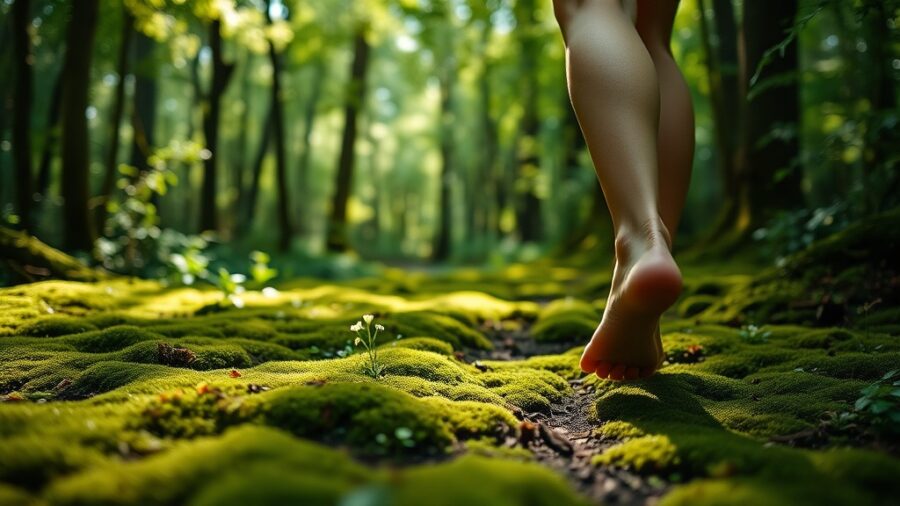
Walking Meditation Nature Practice: An Introduction
Walking meditation is an ancient practice that combines the art of meditation with the simple act of walking. This walking meditation nature practice engages both the mind and body, enhancing mindfulness while connecting practitioners to the natural world. As we navigate our increasingly busy lives, finding solace in nature through walking meditation becomes more relevant than ever. In this article, we’ll explore the fundamentals of walking meditation, its benefits, and how to effectively incorporate it into your daily routine.
Many practitioners report transformative experiences when they engage in walking meditation amidst natural settings. Nature provides a rich tapestry of sensory experiences, from the whisper of leaves in the wind to the vibrant colors of blooming flowers. These elements can deepen meditation, making it more profound and enriching. This article will guide you through the essential components of walking meditation, the advantages it offers, and practical tips on integrating nature into your practice.
Moreover, we will address common challenges faced by beginners and seasoned practitioners alike, providing solutions to enhance your walking meditation experience. By the end of this article, you will not only understand the practice better but also feel empowered to embark on your journey toward mindfulness through walking meditation in nature.
The Benefits of Walking Meditation
Physical Health Advantages
Engaging in walking meditation can significantly improve your physical health. Studies have demonstrated that regular walking can enhance cardiovascular health, improve circulation, and support weight management. A study conducted by the American Heart Association found that individuals who walked for at least 150 minutes per week reduced their risk of heart disease by up to 30%. This physical activity, when combined with the mindfulness aspect of meditation, promotes overall well-being.
Furthermore, walking in natural settings can provide additional benefits. A research review published in the journal Environmental Health Perspectives highlighted that spending time in nature can lower blood pressure, reduce stress hormones, and enhance immune function. This combination of physical activity and nature exposure can lead to improved mood and reduced feelings of anxiety.
Mental and Emotional Well-Being
The mental and emotional benefits of walking meditation are equally compelling. Practicing mindfulness while walking can help reduce anxiety, depression, and stress. According to a meta-analysis published in Psychological Bulletin, mindfulness practices can lead to significant reductions in anxiety and depressive symptoms.
Additionally, walking meditation fosters a sense of connection to oneself and the surroundings. This practice encourages self-reflection and awareness, allowing individuals to process emotions and experiences more effectively. As you walk, you can observe your thoughts as they come and go, promoting a greater sense of clarity and emotional balance.
How to Practice Walking Meditation
Setting the Scene
To begin your walking meditation practice, it is essential to choose an appropriate environment. Ideally, select a peaceful natural setting, such as a park, forest, or garden, where you can walk undisturbed. The presence of trees, water, and wildlife can enhance the experience significantly. Before you start, take a moment to connect with your surroundings by taking deep breaths and observing the sights and sounds around you.
When you feel ready, define a path to walk, which can be a straight line or a loop. Aim for a distance that feels comfortable yet allows for reflection. You may wish to walk slowly, maintaining a steady pace that permits you to focus on your breath and the sensations in your body.
The Walking Meditation Technique
Commence your walking meditation by standing still for a moment. Take a few deep breaths, grounding yourself in the present moment. As you begin to walk, pay attention to the sensations in your feet as they connect with the ground. Notice how your body moves, the shift of weight from one foot to the other, and the rhythm of your breath.
As you walk, focus on the experience of each step. You can mentally count your steps, synchronize your breath with your movements, or simply observe your thoughts as they arise. If your mind wanders, gently guide your attention back to the act of walking. The key is to remain present and engaged in the experience, allowing yourself to fully absorb the beauty of nature around you.
Integrating Nature into Your Meditation Routine
Choosing the Right Locations
To maximize the benefits of your walking meditation nature practice, it is crucial to select the right locations. Parks, nature reserves, and botanical gardens are excellent options for finding peace and tranquility. Aim for spots that are relatively free from noise pollution and distractions, allowing you to immerse yourself fully in the experience.
Consider exploring different environments, such as forests, beaches, or mountains, to find what resonates best with you. Each natural setting offers unique sensory experiences, from the sound of waves crashing to the rustling of leaves. By varying your locations, you can keep your practice fresh and engaging.
Creating a Routine
Establishing a consistent routine can significantly enhance your walking meditation practice. Aim for at least 20-30 minutes of walking meditation several times a week. Early mornings or late afternoons are ideal times to practice, as the air tends to be fresher, and the surroundings quieter.
Incorporate your walking meditation into your daily schedule, treating it as an essential appointment. You can also connect it with other activities, such as walking your dog or commuting to work. By integrating walking meditation into your life, you can cultivate mindfulness as a regular part of your day.
Common Challenges and Solutions in Walking Meditation
Distractions and Wandering Thoughts
One of the most common challenges in walking meditation is dealing with distractions and wandering thoughts. It is natural for the mind to drift, especially in a busy environment. When this happens, it’s essential to practice self-compassion and gently redirect your focus back to your breath or the sensation of walking.
Techniques such as focusing on your surroundings—observing the colors, sounds, and smells—can help anchor your attention. Additionally, setting an intention for your meditation session can provide clarity and direction, reducing the likelihood of distractions.
Physical Discomfort
Another challenge faced by practitioners is physical discomfort, such as fatigue or soreness in the legs. To mitigate this, start with shorter sessions and gradually increase the duration as your body adapts. Ensure you wear comfortable shoes and clothing, allowing for ease of movement.
Listening to your body is crucial. If you experience discomfort, take a moment to pause, stretch, or change your walking pace. The goal of walking meditation is to foster a sense of ease and relaxation, so prioritize your comfort throughout the practice.
Conclusion and Key Takeaways
Walking meditation in nature offers a unique opportunity to cultivate mindfulness while engaging with the natural world. By integrating physical movement, meditation, and the beauty of nature, practitioners can experience profound benefits for both mental and physical well-being. From reducing stress and anxiety to enhancing emotional clarity, the advantages of this practice are extensive.
As you embark on your walking meditation journey, remember to choose suitable locations, create a consistent routine, and approach challenges with patience. By doing so, you can deepen your connection to yourself and the environment, leading to a more fulfilling meditation experience.
FAQ about Walking Meditation
1. What is walking meditation?
Walking meditation is a form of mindfulness practice that combines walking with a focus on the present moment. It involves paying attention to the sensations of walking, your breath, and the surrounding environment.
2. How long should I practice walking meditation?
It is recommended to practice walking meditation for at least 20-30 minutes. However, beginners may start with shorter sessions and gradually increase the duration as they become more comfortable.
3. Can I practice walking meditation anywhere?
While you can practice walking meditation in various locations, it is ideal to choose peaceful natural settings with minimal distractions to enhance the experience.
4. What should I do if my mind wanders during walking meditation?
If your mind wanders, gently redirect your focus back to your breath or the sensations in your body. It’s normal for thoughts to arise; simply acknowledge them and return to the present moment.
5. Is walking meditation suitable for everyone?
Yes, walking meditation is suitable for people of all ages and fitness levels. It can be easily adapted to accommodate individual needs and preferences.
Recap of Walking Meditation Insights
- Walking meditation combines physical movement with mindfulness.
- Practicing in nature enhances the experience and deepens connection.
- Regular practice can improve physical health, mental clarity, and emotional balance.
- Address challenges like distractions by focusing on your surroundings.
- Create a consistent routine for a more profound walking meditation experience.
- Walking meditation is accessible to everyone, regardless of fitness level.
- It fosters a sense of peace, grounding, and awareness in daily life.
- Begin with shorter sessions, gradually increasing duration as comfort grows.