
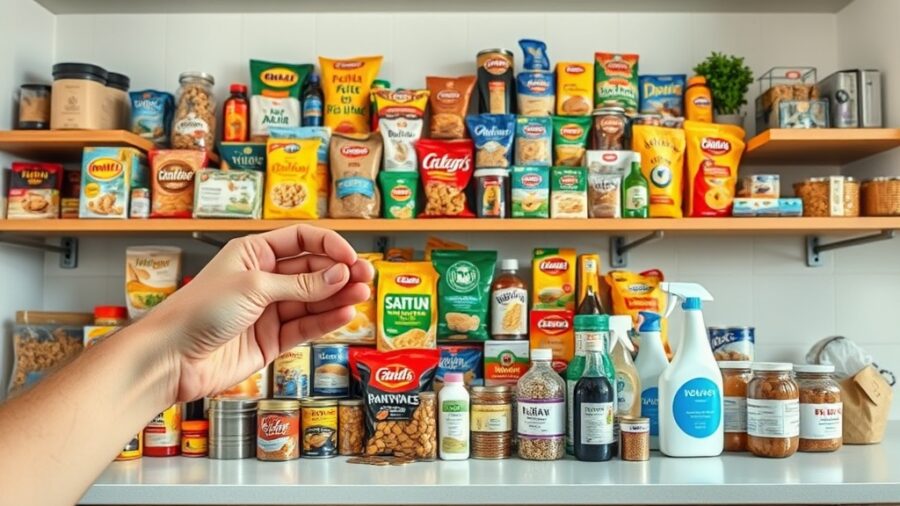
Bulk Buying Save Money: A Comprehensive Guide
In today’s economy, where every penny counts, the concept of bulk buying save money has gained significant traction among savvy shoppers. Bulk buying refers to purchasing goods in large quantities, often at a discounted rate. This practice not only helps in saving money but also ensures that you have a steady supply of essentials. In this article, we will explore the intricacies of bulk buying, from its definition to practical tips on how to start. You will also discover the best products for bulk purchasing and where to find them.
As consumers become increasingly aware of the benefits associated with bulk buying, they are seeking ways to maximize their savings. Whether you are a family looking to reduce grocery bills or a business aiming to lower operational costs, understanding bulk buying can be immensely beneficial. We will delve into the various advantages of this purchasing strategy and provide insights into how you can effectively implement it in your daily life.
By the end of this article, you will be equipped with the knowledge necessary to make informed decisions about bulk buying. We will cover everything from the best products to consider to tips for successful bulk purchasing. Let’s begin our journey into the world of bulk buying and discover how it can lead to significant savings.
What is Bulk Buying?
Bulk buying, also known as wholesale purchasing, is the practice of purchasing large quantities of goods or products at once, typically at a reduced price. This method of shopping is popular among both individual consumers and businesses looking to cut costs. The key characteristics of bulk buying include:
- Large Quantities: Buying in bulk usually means purchasing items in larger than standard packaging or quantities.
- Lower Prices: Bulk items often come with discounts that lower the per-unit cost.
- Store or Online Purchase: Bulk purchases can be made at wholesale clubs, supermarkets, or online retailers.
The Concept of Economies of Scale
The principle behind bulk buying is rooted in economies of scale. When businesses or consumers purchase goods in larger quantities, they can negotiate better prices from suppliers. This is particularly beneficial for businesses that require significant inventory to operate efficiently. The reduced cost per unit often translates to substantial savings over time, making bulk buying a strategic advantage.
Types of Bulk Buying
There are several types of bulk buying that consumers and businesses can engage in:
- Food Items: Non-perishable goods such as rice, pasta, and canned items are popular choices.
- Household Supplies: Items like cleaning products, toiletries, and paper goods can be bought in bulk.
- Office Supplies: Businesses often purchase office supplies like paper, ink, and stationery in bulk.
Benefits of Bulk Buying
The advantages of bulk buying extend beyond mere savings. Here are some key benefits that make bulk buying an attractive option:
Cost Savings
One of the most significant benefits of bulk buying is the potential for cost savings. By purchasing items in larger quantities, consumers can take advantage of discounts that significantly lower the price per unit. For example, buying a 10-pound bag of flour may cost $5, while purchasing smaller bags might add up to $8. This kind of savings can accumulate over time, especially for frequently used items.
Convenience and Reduced Shopping Frequency
Bulk buying also offers the convenience of having essential items on hand, reducing the frequency of shopping trips. For busy families or individuals, this can save valuable time and effort. Instead of making multiple trips to the store each month, bulk buying allows consumers to stock up on necessities, ensuring they have what they need when they need it.
Environmental Benefits
Additionally, bulk buying can have positive environmental impacts. By purchasing larger quantities, consumers can reduce the amount of packaging waste generated from smaller individual purchases. This is particularly important in today’s world, where sustainability is a growing concern. Fewer trips to the store also mean less fuel consumption and lower carbon emissions.
| Benefit | Description |
|---|---|
| Cost Savings | Lower price per unit when buying in bulk. |
| Convenience | Less frequent shopping trips for essentials. |
| Environmental Impact | Reduced packaging waste and lower carbon footprint. |
How to Start Bulk Buying
Starting out with bulk buying can seem daunting, but with the right approach, anyone can become a savvy bulk buyer. Here are some steps to help you get started:
Assess Your Needs
The first step in bulk buying is to assess your needs and determine which items you use frequently. Consider the items that your household consumes regularly, such as food staples, toiletries, and cleaning supplies. This assessment will help you identify what products are worth buying in bulk. Keep in mind that not all items are suitable for bulk purchasing; perishables, for example, should be evaluated carefully.
Create a Budget
Establishing a budget is essential when starting bulk buying. Determine how much you can afford to spend on bulk items each month without straining your finances. Factor in the initial higher cost of bulk purchases, but remember that the long-term savings will often outweigh the initial investment. Keeping track of your spending will help you stay within your budget while maximizing savings.
Best Products for Bulk Buying
Knowing which products to buy in bulk can significantly enhance your savings. Here are some of the best categories of products for bulk purchasing:
Non-Perishable Foods
Non-perishable food items are ideal for bulk buying because they have a long shelf life. Products like pasta, rice, canned goods, and dried beans are excellent options. For instance, buying a 25-pound bag of rice can save you up to 20% compared to purchasing smaller bags.
Household Essentials
Items such as toilet paper, paper towels, and laundry detergent are frequently used and can be purchased in bulk. Buying these essentials in larger quantities not only saves money but also ensures that you won’t run out unexpectedly. For example, purchasing a case of toilet paper can be significantly cheaper than buying single packs over time.
- Examples of Best Bulk Products:
- Pasta and Grains
- Canned Vegetables and Fruits
- Paper Products (toilet paper, paper towels)
- Cleaning Supplies
- Personal Care Products (shampoos, soaps)
Where to Buy in Bulk
Finding the right places to buy in bulk is crucial for maximizing your savings. Here are some popular options:
Wholesale Clubs
Wholesale clubs like Costco and Sam’s Club are well-known for their bulk purchasing options. Memberships are typically required, but the savings on bulk items often justify the cost. These clubs offer a wide range of products, from groceries to electronics, allowing consumers to buy in large quantities.
Online Retailers
Online shopping has revolutionized bulk buying, making it easier than ever to find deals. Websites like Amazon and Boxed specialize in bulk purchasing, offering a variety of products at competitive prices. Online shopping also allows consumers to compare prices easily and take advantage of sales and discounts.
Tips for Successful Bulk Buying
To make the most out of bulk buying, consider the following tips:
Check Expiration Dates
When purchasing food items in bulk, always check the expiration dates. Opt for items with the longest shelf life to ensure you can consume them before they spoil. This is especially important for perishables and items with a limited shelf life.
Storage Solutions
Having adequate storage is essential for bulk buying. Ensure that you have enough space in your pantry, freezer, or storage area to accommodate your purchases. Consider investing in airtight containers to keep food fresh and organized. Proper storage will help you avoid waste and ensure that your bulk items last longer.
Conclusion
In conclusion, bulk buying is a practical and effective strategy for saving money on everyday purchases. By understanding what bulk buying is, its benefits, and how to implement it, you can significantly reduce your expenses. From assessing your needs to finding the best products and retailers, this guide provides you with the essential tools to become a successful bulk buyer.
As you embark on your bulk buying journey, remember to keep track of your purchases, check expiration dates, and optimize your storage solutions. With careful planning and consideration, bulk buying can lead to substantial savings and a more efficient household. Embrace the advantages of bulk buying and enjoy the peace of mind that comes with being prepared.
FAQ
1. Is bulk buying always cheaper?
While bulk buying often leads to lower prices per unit, it is essential to compare prices and evaluate the total cost. Some items may not offer significant savings in bulk, so it’s crucial to do your research.
2. What items should I avoid buying in bulk?
Perishable items, such as fresh produce or dairy products, should generally be avoided unless you can consume them quickly. Additionally, items that you rarely use may not be worth purchasing in bulk.
3. Do I need a membership to shop at wholesale clubs?
Yes, most wholesale clubs require a membership to shop. However, the savings you can achieve on bulk items often justify the membership cost.
4. Can I return bulk items if I don’t need them?
Return policies vary by retailer, so it’s crucial to check the return policy before purchasing bulk items. Some stores allow returns on unused items, while others may have stricter policies.
5. How can I ensure I use all the bulk items I buy?
To prevent waste, plan your meals around the bulk items you purchase. Create a shopping list based on what you have and rotate your stock to use older items first.
- Understanding bulk buying can lead to significant savings.
- Assess your needs to determine the best products for bulk purchasing.
- Wholesale clubs and online retailers are excellent places to buy in bulk.
- Always check expiration dates and have adequate storage solutions.
- Plan meals around bulk purchases to minimize waste.