
DIY Cleaning Products: Save Money and the Environment
In recent years, the trend of using DIY cleaning products has gained immense popularity, as more people seek ways to save money and reduce their environmental impact. The phrase “cleaning products DIY save” encapsulates this movement, emphasizing the financial and ecological benefits of making your own cleaning solutions at home. This article will explore the world of DIY cleaning products, providing insights into their benefits, essential ingredients, popular recipes, safety tips, environmental impacts, and a cost comparison with store-bought options.
As we delve into the realm of homemade cleaners, it becomes clear that not only do they offer a cost-effective alternative, but they also allow individuals to avoid the harsh chemicals often found in commercial products. Understanding how to create effective cleaning solutions from easily accessible materials can empower homeowners to take charge of their cleaning routines. Throughout this article, we will guide you through the process, ensuring you have all the information needed to embark on your DIY cleaning journey.
By the end of this comprehensive guide, you will be equipped with knowledge on creating effective cleaning products that are safe for your family and the planet. From the essential ingredients to top recipes and safety tips, you’ll find everything you need to make informed decisions about your cleaning practices. Let’s get started!
Benefits of DIY Cleaning Products
Cost Savings
One of the most compelling reasons to switch to DIY cleaning products is the significant cost savings. Store-bought cleaning supplies can add up quickly, especially if you purchase multiple specialized products for different cleaning tasks. In contrast, many DIY cleaning solutions require just a few basic ingredients that can be used across various applications, drastically reducing your overall spending. For example, a simple vinegar and baking soda mixture can tackle everything from kitchen grime to bathroom mold.
According to a study by the American Cleaning Institute, the average household spends approximately $600 annually on cleaning products. By making your own cleaners, you can easily cut this expense by more than half, depending on the recipes you choose. With just a few affordable ingredients like vinegar, baking soda, and essential oils, you can create effective cleaning solutions that rival commercial brands.
Health Benefits
Another significant advantage of using DIY cleaning products is the health benefits they provide. Many commercial cleaning products contain harmful chemicals that can pose health risks to your family and pets. These substances can lead to respiratory issues, skin irritations, and other health problems, especially for individuals with sensitivities or allergies.
In contrast, DIY cleaning products often rely on natural ingredients that are less likely to cause adverse reactions. For instance, using a mixture of lemon juice and water not only cleans surfaces but also leaves a refreshing scent without the potential toxins found in synthetic fragrances. By opting for homemade cleaners, you create a safer environment for your loved ones while effectively maintaining cleanliness.
Essential Ingredients for DIY Cleaning Solutions
Commonly Used Ingredients
When embarking on your DIY cleaning journey, it’s essential to have a solid understanding of the ingredients you’ll need. Here are some of the most commonly used components in DIY cleaning solutions:
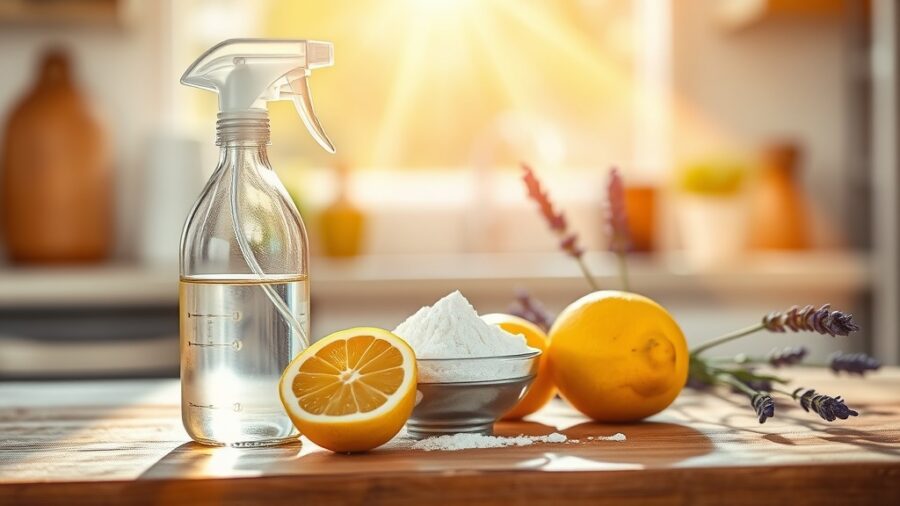
- Vinegar: A powerful natural disinfectant, vinegar can cut through grease, remove odors, and tackle stains.
- Baking Soda: Known for its abrasive properties, baking soda is excellent for scrubbing surfaces and neutralizing odors.
- Lemon Juice: This natural acid not only provides a fresh scent but also has antibacterial properties, making it ideal for cleaning and deodorizing.
- Castile Soap: A vegetable-based soap that is biodegradable and versatile, perfect for various cleaning applications.
- Essential Oils: Beyond their pleasant fragrances, many essential oils like tea tree, lavender, and eucalyptus offer antimicrobial benefits.
Understanding Ratios and Measurements
Knowing the correct ratios and measurements of these ingredients is crucial for creating effective DIY cleaning products. For example, a standard all-purpose cleaner can be made by mixing one part vinegar with one part water. If you want to add a pleasant scent and additional cleaning power, consider including a few drops of essential oil. It’s important to experiment with different ratios to find what works best for your specific cleaning needs.
Additionally, keep in mind the surface you’re cleaning. For instance, while vinegar is effective on most surfaces, it should not be used on natural stone, as it can cause etching. Understanding the properties of each ingredient and how they interact will help you create safe and effective cleaning solutions.
Top DIY Cleaning Recipes
All-Purpose Cleaner
An all-purpose cleaner is a staple in any cleaning arsenal, and making your own is incredibly simple. To create an effective all-purpose cleaner, combine the following ingredients:
- 1 cup of water
- 1 cup of white vinegar
- 10-15 drops of essential oil (optional, for fragrance)
Simply mix the ingredients in a spray bottle, shake well before each use, and enjoy a natural cleaner that can be used on countertops, sinks, and other surfaces.
Glass Cleaner
For streak-free windows and mirrors, a DIY glass cleaner can be easily prepared using the following recipe:
- 2 cups of water
- 1 cup of vinegar
- 1 tablespoon of cornstarch
Mix these ingredients in a spray bottle and apply to glass surfaces. Wipe clean with a lint-free cloth for a sparkling finish.
Safety Tips for Using DIY Cleaners
Proper Storage
When making your own cleaning products, it’s essential to store them properly to ensure safety and effectiveness. Use clearly labeled containers to avoid confusion, especially if you have children or pets in the household. Glass spray bottles are a great option, as they are non-toxic and can be reused multiple times.
Keep homemade cleaners out of reach of children and pets, and consider using child-proof caps on bottles to prevent accidental ingestion. Additionally, store your cleaning solutions in a cool, dark place to maintain their potency.
Patch Testing
Before using any DIY cleaning product on a new surface, it’s wise to conduct a patch test. Apply a small amount of the cleaner to an inconspicuous area and observe for any adverse reactions, such as discoloration or damage. This precaution ensures that your homemade cleaners will not harm your surfaces and helps you avoid costly repairs.
Environmental Impact of Homemade Cleaners
Reduction of Chemical Pollution
One of the most significant benefits of switching to DIY cleaning products is the reduction of chemical pollution. Many commercial cleaning agents contain harsh chemicals that can contribute to air and water pollution. By making your own cleaners, you can significantly decrease the number of harmful substances released into the environment.
According to the Environmental Protection Agency (EPA), indoor air can be up to five times more polluted than outdoor air, largely due to the use of chemical cleaning products. By opting for natural ingredients, you help improve indoor air quality and protect the environment from unnecessary pollutants.
Waste Reduction
Another essential aspect of the environmental impact of DIY cleaners is waste reduction. Many commercial cleaning products are sold in single-use plastic containers that contribute to landfill waste. By creating your own cleaning solutions, you can utilize reusable containers, significantly decreasing plastic waste.
Moreover, many of the ingredients for DIY cleaners, such as vinegar and baking soda, are often available in bulk, leading to less packaging waste over time. This shift towards sustainability not only benefits the planet but also promotes a more conscious approach to consumerism.
Cost Comparison: DIY vs Store-Bought Products
Analyzing Costs
When considering the financial implications of DIY cleaning products versus store-bought options, it’s important to analyze the costs involved. Let’s break down the expenses associated with each approach:
| Item | DIY Cost | Store-Bought Cost |
|---|---|---|
| All-Purpose Cleaner (per batch) | $0.50 | $3.00 |
| Glass Cleaner (per batch) | $0.30 | $2.50 |
| Bathroom Cleaner (per batch) | $0.70 | $4.00 |
As illustrated in the table above, the cost savings associated with DIY cleaning products are substantial. By making several batches of homemade cleaners, you can save a significant amount of money over time.
Long-term Savings
It’s also essential to consider the long-term savings that come with DIY cleaning products. While the initial investment in ingredients may seem higher, the ability to create multiple batches from those ingredients leads to considerable savings in the long run. For instance, a bottle of vinegar can produce numerous batches of all-purpose cleaner, resulting in a much lower cost per use compared to purchasing a commercial product each time.
Additionally, as you become more familiar with DIY cleaning solutions, you can experiment with new recipes and customize them to your specific cleaning needs, further enhancing their value.
Conclusion and Key Takeaways
In conclusion, the movement towards DIY cleaning products presents an opportunity for individuals to save money, improve their health, and protect the environment. By harnessing the power of natural ingredients, you can create effective cleaning solutions that rival commercial products without the harmful side effects. The cost savings associated with DIY cleaning solutions are significant, and the long-term benefits of improved health and reduced environmental impact make it a worthwhile endeavor.
As you embark on your journey of creating homemade cleaners, remember to prioritize safety and proper storage. With a little experimentation and creativity, you can develop a cleaning routine that is not only effective but also aligns with your values of sustainability and health. Embrace the benefits of DIY cleaning products and enjoy a cleaner, healthier home.
FAQ about DIY Cleaning Products
1. Are DIY cleaning products as effective as commercial ones?
Yes! Many DIY cleaning products can be just as effective, if not more so, than their commercial counterparts. By using powerful natural ingredients like vinegar and baking soda, you can tackle a wide range of cleaning tasks effectively.
2. Can I customize DIY cleaning recipes for specific needs?
Absolutely! One of the great advantages of DIY cleaning products is the ability to customize recipes. You can adjust ratios, add essential oils for fragrance, or include additional ingredients to suit your specific cleaning needs.
3. Are homemade cleaners safe for all surfaces?
While many homemade cleaners are safe for most surfaces, it’s important to conduct a patch test on new materials to avoid damage. For example, vinegar should not be used on natural stone surfaces, as it can cause etching.
4. How long do DIY cleaning products last?
The shelf life of DIY cleaning products varies depending on the ingredients used. Generally, solutions made with vinegar and baking soda can last several months when stored properly. However, it’s best to make smaller batches to ensure freshness.
5. Can I use essential oils in my DIY cleaners?
Yes! Essential oils not only add pleasant fragrances to your cleaning products, but they can also provide additional cleaning and antibacterial benefits. Popular options include tea tree oil, lavender, and lemon oil.
Recap
- DIY cleaning products offer significant cost savings compared to store-bought options.
- Homemade cleaners can improve indoor air quality by reducing chemical exposure.
- Essential ingredients for DIY cleaners include vinegar, baking soda, and essential oils.
- Proper storage and patch testing are crucial for safety when using homemade cleaners.
- Using DIY cleaning products reduces environmental impact through less chemical pollution and waste.
- Long-term savings with DIY products can be substantial when considering multiple batches.