
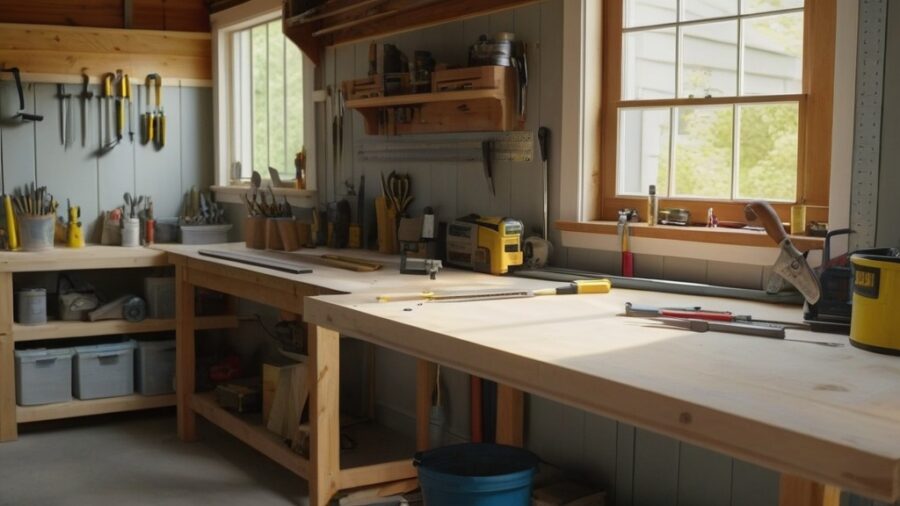
DIY Projects Save Money: Unlocking Financial Benefits
In today’s economy, finding ways to cut costs while maintaining quality is a significant concern for many households. One of the most effective strategies to achieve this is through DIY projects. The concept of do-it-yourself not only allows individuals to take control of their home improvement tasks but also offers substantial financial savings. This article explores how DIY projects save money and provides insights into various aspects of undertaking such projects.
Understanding the financial implications of DIY projects can empower homeowners to make informed decisions. From purchasing materials to knowing when to take on a project versus hiring a professional, this guide will delve into the intricacies of DIY and its economic advantages. Additionally, we will cover essential tools, popular project ideas, and safety tips to ensure that your DIY endeavors are both rewarding and safe.
As you read through this article, you will discover not only the potential savings associated with DIY projects but also the skills and techniques required to execute them successfully. Whether you are a seasoned DIY enthusiast or a novice looking to embark on your first project, there is valuable information here for everyone.
Understanding the Financial Benefits of DIY
When considering a DIY project, the financial benefits are often one of the primary motivators. Homeowners can save significantly by avoiding labor costs associated with hiring professionals. According to the HomeAdvisor, homeowners can save between 20% to 50% on labor costs alone by opting for DIY methods. This statistic illustrates the substantial savings available to those willing to invest their time and effort into home improvement tasks.
Direct Cost Savings
One of the most apparent benefits of DIY projects is the direct cost savings on labor. For instance, if a professional charges $100 per hour and a project takes 10 hours, that’s a $1,000 expense. By doing it yourself, you eliminate this cost entirely. Furthermore, many DIY projects can be completed at a fraction of the cost of hiring a contractor. For example, painting a room might cost $300 when done by a professional, while the cost of materials can be as low as $50 if you do it yourself.
Long-Term Financial Benefits
Beyond immediate savings, DIY projects can also lead to long-term financial benefits. By enhancing your home’s value through improvements, you can increase its resale potential. According to the National Association of Realtors, certain DIY projects, like kitchen remodels or landscaping improvements, can yield returns of over 70% when the home is sold. This means that the initial investment in DIY can pay off significantly in the long run.
Essential Tools for Successful DIY Projects
Equipping yourself with the right tools is crucial for effective DIY projects. Investing in quality tools can enhance your efficiency and the overall outcome of your projects. Here’s a list of essential tools every DIY enthusiast should consider:
- Measuring Tape: Accurate measurements are vital for any project.
- Power Drill: A versatile tool for drilling holes and driving screws.
- Level: Ensures that your work is straight and even.
- Utility Knife: Ideal for cutting various materials safely.
- Hand Saw: Useful for cutting wood and other materials without power.
Investing in Quality Tools
While it may be tempting to purchase the cheapest tools available, investing in higher-quality tools can lead to better results and longer lifespan. Brands like DeWalt and Bosch are known for their durability and performance. Additionally, consider purchasing a tool set that includes multiple tools for different tasks, which can save you money in the long run.
Maintaining Your Tools
Proper maintenance of your tools is essential to ensure they last and perform efficiently. Regular cleaning, oiling moving parts, and storing them in a dry place can prevent rust and damage. A well-maintained tool not only performs better but also contributes to the overall success of your DIY projects.
Popular DIY Projects That Save Money
There are numerous DIY projects that can save you money while also enhancing your home. Here are a few popular options that many homeowners consider:
Home Decor and Upcycling
Transforming old furniture or decor items through upcycling is a creative way to save money. For instance, repainting an old dresser or reupholstering chairs can breathe new life into your home without the expense of new purchases. According to a study by Statista, 54% of consumers have engaged in upcycling, showcasing its popularity and effectiveness in saving money.
Gardening and Landscaping
Creating your garden or landscaping your yard is another project that can be both fulfilling and economical. By planting your flowers, vegetables, and herbs, you not only save money but also enhance your outdoor space. Many homeowners have reported saving hundreds of dollars annually on groceries by growing their produce. Additionally, landscaping can increase property value, making it a wise investment.
Cost Comparison: DIY vs. Hiring Professionals
Understanding the cost comparison between DIY projects and hiring professionals is essential for making informed decisions. This comparison can help you weigh the pros and cons effectively.
Labor Costs
As previously mentioned, labor costs can be a significant portion of any home improvement project. Hiring a professional can add anywhere from 20% to 50% to your total project cost. For example, if you are considering a bathroom renovation estimated at $10,000, hiring professionals could increase the total cost to $15,000 or more. In contrast, a DIY approach could keep costs closer to the original estimate.
Material Costs and Quality
While DIY projects save money on labor, material costs can vary widely depending on the quality of products chosen. It’s essential to strike a balance between cost and quality. Purchasing lower-quality materials might save money initially but could lead to higher costs in repairs or replacements down the line. Always research and select materials that offer durability without breaking the bank.
Time Investment vs. Monetary Savings in DIY
While DIY projects can provide savings, it’s crucial to consider the time investment required. For many, time is just as valuable as money, and understanding this dynamic can help in making the right choice.
Assessing Your Time Availability
Before embarking on a DIY project, evaluate your schedule and the time you can dedicate to it. Some projects can take a few hours, while others may require weeks of effort. For example, painting a room might only take a day, whereas a full kitchen remodel could take months. Understanding your time availability will help you determine whether a DIY project is feasible or if hiring a professional may be a better option.
Evaluating Opportunity Costs
Opportunity cost is another vital aspect to consider. This term refers to the potential benefits you forego when choosing one option over another. If you spend time on a DIY project, you may miss out on other opportunities, such as additional work or leisure activities. Therefore, weighing the benefits of saving money against the potential loss of time is essential for making an informed decision.
Safety Tips for DIY Enthusiasts
Safety should be a top priority when engaging in any DIY project. Here are some essential safety tips to keep in mind:
Use Protective Gear
Always wear appropriate protective gear, such as gloves, goggles, and masks, when working with tools or hazardous materials. This gear can protect you from injuries and exposure to harmful substances. For instance, if you are sanding wood, wearing a mask can prevent inhalation of dust particles.
Follow Instructions Carefully
Whether you are following a tutorial or using product instructions, it’s crucial to adhere to safety guidelines. Many accidents occur due to neglecting safety practices or misunderstanding instructions. Take the time to read through all guidelines before starting your project to ensure a safe working environment.
Conclusion and Key Takeaways
In conclusion, DIY projects offer a remarkable opportunity for homeowners to save money while enhancing their living spaces. By understanding the financial benefits, investing in essential tools, and choosing the right projects, individuals can significantly reduce costs and increase their home’s value. Additionally, evaluating the time investment and adhering to safety practices ensures that DIY endeavors are both enjoyable and safe.
Ultimately, the decision to undertake DIY projects should be based on individual circumstances, including budget, skills, and time availability. With the right approach, DIY can be a fulfilling and economically advantageous endeavor.
Frequently Asked Questions about DIY Projects
1. How much can I save by doing DIY projects?
The savings from DIY projects can vary significantly, but on average, homeowners can save between 20% to 50% on labor costs. Additionally, material costs can also be minimized with careful selection.
2. What are some beginner-friendly DIY projects?
Some beginner-friendly projects include painting a room, creating simple home decor, or building a raised garden bed. These projects require minimal skills and can be completed quickly.
3. Are there risks associated with DIY projects?
Yes, there are risks, particularly if safety precautions are not followed. Using tools incorrectly or neglecting protective gear can lead to injuries. Always prioritize safety and follow instructions carefully.
4. How do I choose the right DIY project for my skills?
Consider your current skill level and choose projects that match it. Start with smaller, simpler projects to build confidence before tackling more complex tasks.
5. Can I find resources to help me with DIY projects?
Absolutely! There are numerous online resources, including video tutorials, blogs, and forums dedicated to DIY projects. These resources can provide guidance and inspiration for your endeavors.
- DIY projects can save you 20% to 50% on labor costs.
- Investing in quality tools enhances project outcomes.
- Home improvement projects can increase property value.
- Time investments vary based on the complexity of the project.
- Safety gear is essential to protect against injuries.
- Beginner-friendly projects are available for new DIY enthusiasts.
- Online resources can provide valuable guidance and inspiration.
- Balancing cost and quality is crucial in material selection.