
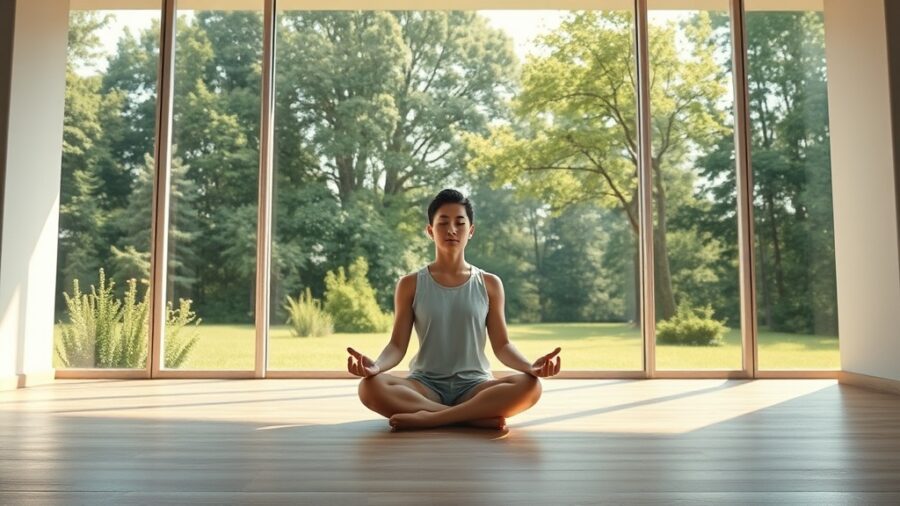
Understanding Secular Non-Religious Meditation
Secular non-religious meditation has gained significant popularity in recent years as individuals seek mindfulness and relaxation without the confines of religious frameworks. This form of meditation emphasizes mental clarity, emotional well-being, and personal growth while being free from spiritual or religious connotations. In this article, we will explore the various facets of secular meditation, including its benefits, techniques, and how to integrate it into daily life.
The practice of secular meditation focuses on enhancing one’s mental state through various methods that do not invoke religious practices. This approach allows individuals from different backgrounds to experience the advantages of meditation without the barriers often imposed by religious beliefs. By embracing a secular perspective, practitioners can delve into mindfulness and self-awareness, paving the way for holistic development.
Throughout this article, readers will learn about the foundational concepts of secular meditation, its numerous benefits, and practical techniques for getting started. Additionally, we will address common misconceptions and challenges associated with secular meditation, providing insights on how to incorporate these practices into everyday routines for optimal results.
The Rise of Secular Meditation
Secular meditation has roots in various traditions, but its modern resurgence can be linked to the mindfulness movement in the late 20th century. Pioneers like Jon Kabat-Zinn introduced mindfulness-based stress reduction (MBSR) in the 1970s, blending ancient techniques with contemporary psychological practices. This approach emphasized the benefits of meditation without religious affiliations, making it accessible to a wider audience.
The increasing interest in mental health and wellness has further propelled the popularity of secular meditation. According to a study by the National Institutes of Health, approximately 14% of American adults practiced meditation in 2017, compared to just 4% in 2012. This increase reflects a growing recognition of the importance of mental well-being in today’s fast-paced society.
Benefits of Secular Meditation Practices
Engaging in secular meditation offers a myriad of benefits, both psychological and physiological. These advantages are supported by numerous studies that underscore the positive impact of mindfulness practices on overall health and well-being.
One of the most significant benefits of secular meditation is its ability to reduce stress and anxiety. Research published in the journal Health Psychology found that participants who practiced mindfulness meditation reported lower levels of perceived stress and anxiety. This decrease in stress can lead to improved emotional regulation and resilience against daily challenges.
Improved Focus and Concentration
Another remarkable benefit is the enhancement of focus and concentration. Individuals who regularly practice secular meditation often find themselves better equipped to concentrate on tasks at hand. A study conducted by neuroscientists at the University of California, Santa Barbara, found that participants who engaged in mindfulness meditation demonstrated improved attention span and cognitive flexibility.
Additionally, secular meditation can foster a greater sense of self-awareness. Practitioners often report an increased understanding of their thoughts and emotions, leading to better decision-making and interpersonal relationships. By cultivating mindfulness, individuals can observe their experiences without judgment, allowing for more thoughtful responses to life’s challenges.
Physical Health Benefits
Beyond psychological advantages, secular meditation also contributes to physical health improvements. Regular practice has been linked to lower blood pressure, reduced chronic pain, and improved sleep quality. A meta-analysis published in the journal JAMA Internal Medicine highlighted that mindfulness meditation could have a positive effect on chronic pain management, enhancing the quality of life for many individuals suffering from persistent discomfort.
Moreover, studies indicate that secular meditation may bolster the immune system. Research by neuroscientists at the University of Massachusetts Medical School found that participants who practiced mindfulness meditation had higher levels of antibodies in response to vaccines, suggesting enhanced immune function.
Different Techniques in Secular Meditation
Secular meditation encompasses a variety of techniques, each offering unique approaches to mindfulness and self-awareness. By exploring these different methods, practitioners can find the approach that resonates most with them, enhancing their meditation experience.
Some popular techniques include mindfulness meditation, body scan, loving-kindness meditation, and guided meditation. Each of these techniques serves to cultivate presence, awareness, and emotional well-being.
Mindfulness Meditation
Mindfulness meditation is one of the most widely practiced forms of secular meditation. It involves focusing attention on the present moment while observing thoughts, feelings, and bodily sensations without judgment. This technique encourages practitioners to cultivate a non-reactive awareness of their experiences, which can lead to greater emotional resilience and clarity.
A practical exercise for mindfulness meditation involves sitting comfortably and focusing on the breath. As thoughts arise, practitioners are encouraged to acknowledge them without attachment, gently redirecting their focus back to their breath. This simple yet powerful practice can be done for as little as five minutes a day and gradually extended as one becomes more comfortable.
Body Scan Meditation
The body scan meditation technique is another effective method for cultivating mindfulness and relaxation. This practice involves mentally scanning the body from head to toe, paying attention to sensations, tensions, and areas of discomfort. By bringing awareness to the body, practitioners can release tension and promote a sense of calm.
A typical body scan meditation session begins with the individual lying down in a comfortable position. They then focus on each part of the body sequentially, starting from the toes and moving up to the head. This practice not only enhances body awareness but also fosters relaxation, making it an excellent tool for stress management.
Here is a simple outline of a body scan meditation session:
- Find a quiet and comfortable place to lie down.
- Close your eyes and take a few deep breaths.
- Begin by focusing on your toes, noticing any sensations or areas of tension.
- Gradually move your attention up through your feet, legs, abdomen, chest, arms, neck, and head.
- Conclude the session by taking a few deep breaths and opening your eyes.
How to Get Started with Secular Meditation
Embarking on a journey into secular non-religious meditation can be an enriching experience. However, getting started may seem daunting for many individuals. By following some simple steps, one can ease into this transformative practice.
The first step in starting secular meditation is to establish a conducive environment. Choose a quiet space free from distractions where you can sit or lie comfortably. This setting allows for a more focused and immersive meditation experience.
Setting Realistic Goals
It is essential to set realistic goals when beginning a meditation practice. Instead of aiming for lengthy sessions, consider starting with just five to ten minutes per day. Gradually increase the duration as you become more comfortable with the practice. Setting achievable goals helps cultivate consistency and prevents feelings of frustration.
In addition to time goals, consider setting intentions for your meditation practice. These intentions could include enhancing mindfulness, reducing stress, or improving emotional regulation. By establishing clear objectives, practitioners can create a more meaningful meditation experience.
Utilizing Resources and Tools
Many resources are available to assist beginners in their secular meditation journey. Apps like Headspace and Calm offer guided meditations and resources tailored to various experience levels. Additionally, books on mindfulness and meditation can provide valuable insights and techniques.
Joining a meditation group or attending local workshops can also enhance the experience. Engaging with others who share similar interests can foster motivation and accountability while providing opportunities for shared learning.
Challenges and Misconceptions About Secular Meditation
Despite its growing popularity, secular meditation is not without challenges and misconceptions. Understanding these hurdles is crucial for practitioners seeking to deepen their meditation practice.
One common misconception is that meditation requires a completely clear mind. Many individuals may feel discouraged if they struggle to quiet their thoughts during meditation. However, it is essential to recognize that thoughts are a natural part of the process. The goal of meditation is not to eliminate thoughts but to cultivate awareness and observation without attachment.
Overcoming Common Obstacles
Another challenge many encounter is finding the time to meditate amidst their busy schedules. It can be beneficial to integrate meditation into daily routines, such as practicing for a few minutes in the morning or during breaks throughout the day. Even short sessions can yield significant benefits.
Additionally, practitioners may feel frustrated by their progress or lack of immediate results. It is essential to approach meditation with patience and kindness. Just as physical fitness takes time and consistency to achieve results, so does meditation. Embrace the journey and allow yourself to grow at your own pace.
Addressing Misconceptions about Secular Meditation
Many people believe that secular meditation lacks depth or spiritual significance. However, secular meditation focuses on practical benefits such as improved mental health, emotional resilience, and increased self-awareness. These advantages are universally applicable and valued, regardless of one’s spiritual beliefs.
Furthermore, some may perceive that secular meditation is only suitable for those who are already mentally healthy. This misconception is misleading, as secular meditation can benefit anyone, including those facing mental health challenges. Studies have shown that mindfulness practices can help reduce symptoms of anxiety and depression, making them valuable tools for individuals seeking support.
Integrating Secular Meditation into Daily Life
Integrating secular meditation into daily life can significantly enhance overall well-being. By establishing a consistent practice, individuals can experience the myriad benefits of mindfulness and self-awareness. Here are some practical strategies for incorporating meditation into your routine.
One effective approach is to create a daily meditation schedule. Designate specific times for meditation, treating it as an important appointment that cannot be missed. This commitment fosters consistency and helps establish meditation as a habitual practice.
Mindfulness in Everyday Activities
In addition to dedicated meditation sessions, individuals can practice mindfulness throughout their daily activities. This could involve paying close attention to sensations while eating, feeling the ground beneath your feet while walking, or focusing on your breath during moments of stress. By cultivating mindfulness in everyday moments, individuals can enhance their awareness and appreciation of life.
Another way to integrate secular meditation is through mindful breathing exercises. Taking a few moments to focus on your breath, even during busy moments, can help center your thoughts and reduce stress. Consider setting reminders throughout the day to pause, take deep breaths, and reconnect with the present moment.
Creating a Supportive Environment
Creating a supportive environment for meditation can enhance the practice. This could involve designating a specific space in your home for meditation, free from distractions. Adding calming elements, such as candles or soothing music, can further enhance the atmosphere.
Additionally, engaging with a community of like-minded individuals can provide motivation and encouragement. Whether through online forums or local meditation groups, connecting with others can enhance accountability and inspire personal growth.
Conclusion and Key Takeaways
Secular non-religious meditation offers a valuable approach to enhancing mental health and well-being. By exploring various techniques and integrating mindfulness into everyday life, individuals can unlock the benefits of this transformative practice. Through improved focus, emotional regulation, and stress reduction, secular meditation serves as a powerful tool for personal growth.
As highlighted throughout this article, secular meditation is accessible to everyone, regardless of their background or beliefs. By overcoming misconceptions and embracing the journey of mindfulness, practitioners can cultivate a deeper understanding of themselves and the world around them. It is essential to approach meditation with patience and curiosity, allowing for growth and transformation over time.
Frequently Asked Questions about Secular Meditation
1. What is secular meditation?
Secular meditation refers to mindfulness practices that do not involve religious or spiritual beliefs. It focuses on enhancing mental clarity, emotional well-being, and self-awareness through practical techniques.
2. Can anyone practice secular meditation?
Yes, secular meditation is accessible to everyone, regardless of their background or beliefs. It can benefit individuals seeking to improve their mental health and overall well-being.
3. How long should I meditate each day?
Beginners can start with just five to ten minutes of meditation per day. Gradually increasing the duration as you become more comfortable is recommended.
4. Do I need to clear my mind completely to meditate?
No, it is a common misconception that meditation requires a completely clear mind. The goal is to cultivate awareness and observation of thoughts without attachment.
5. What are the best techniques for beginners?
Some effective techniques for beginners include mindfulness meditation, body scan meditation, and guided meditation. These methods are simple to practice and can yield significant benefits.
Recap of Secular Non-Religious Meditation
- Secular meditation emphasizes mental clarity and emotional well-being without religious connotations.
- Practices such as mindfulness and body scan meditation enhance awareness and relaxation.
- Benefits include reduced stress, improved focus, and enhanced self-awareness.
- Creating a routine and setting realistic goals are essential for successful integration.
- Addressing misconceptions can help individuals embrace secular meditation more fully.
- Mindfulness can be practiced throughout daily activities, enhancing overall well-being.
- Supportive environments and community engagement can foster commitment to practice.
- Secular meditation is accessible and beneficial for individuals from all backgrounds.