
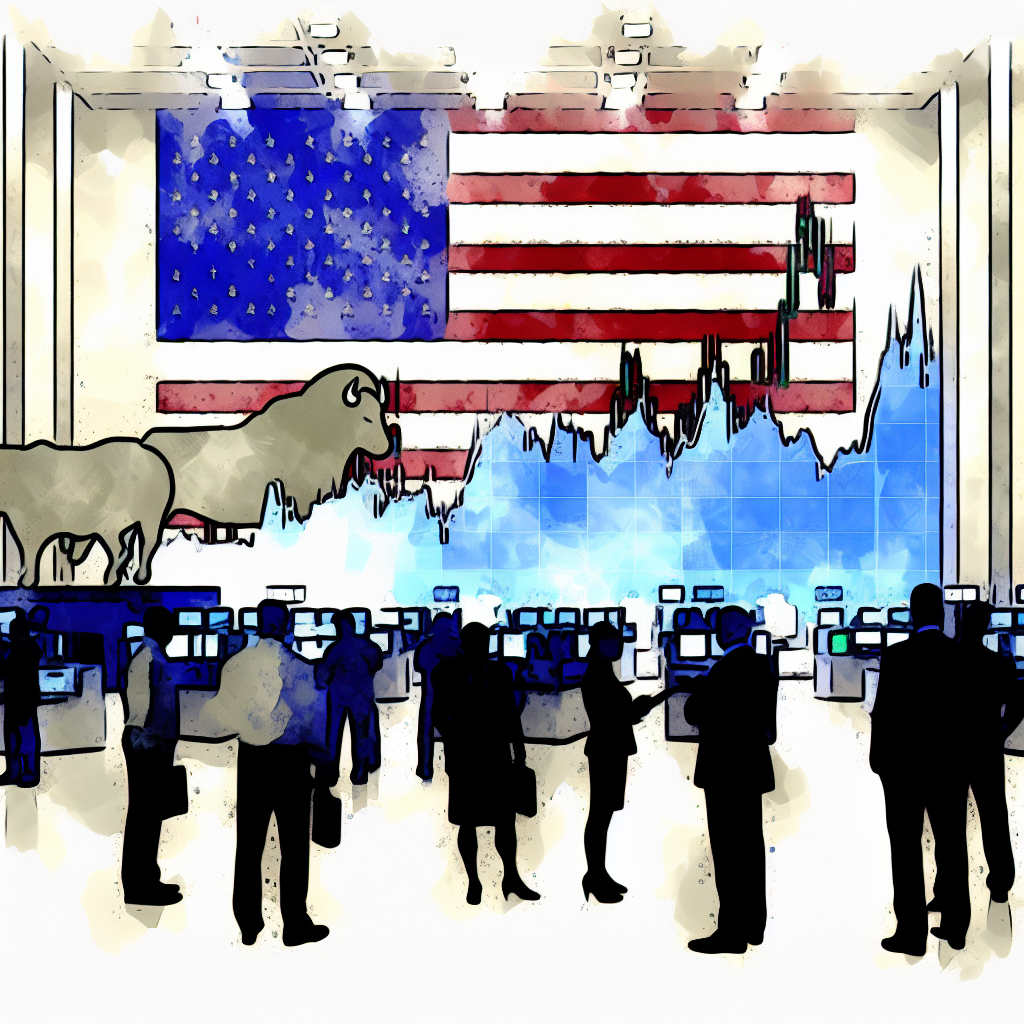
Introduction to the Relationship Between Politics and the Stock Market
The interconnection between political events and the stock market is both intricate and profound. Historically, political happenings, whether they be elections, policy announcements, or geopolitical tensions, have wielded significant influence over stock market dynamics, impacting everything from investor sentiment to market volatility. This influence is not merely anecdotal; it is rooted in economic realities and investor perceptions, which can drive substantial market movements.
Politics can impact the stock market directly through policy changes that affect specific sectors, or indirectly by influencing economic indicators that traders watch keenly. For instance, decisions on taxation, government spending, and regulation can alter corporate earnings expectations, thereby affecting stock valuations. These decisions can lead to fluctuations as markets adjust to real and perceived changes in economic outlooks.
Moreover, political events often introduce an element of uncertainty, which can heighten market volatility. Investors dislike uncertainty because it makes it difficult to predict future market conditions. When confronted with political turbulence, such as contentious election cycles or trade disputes, markets can react with significant volatility as traders seek to hedge against potential risks or capitalize on fluctuating asset prices.
In this article, we will explore various aspects of how political events shape stock market dynamics. By examining historical examples, government policies, investor sentiment, and specific case studies, we aim to provide a comprehensive understanding of the interplay between politics and market activities. In doing so, we’ll also consider strategies for investors aiming to navigate the precarious waters of a politically influenced stock market.
Historical Examples of Political Events Affecting Stock Markets
Throughout history, numerous political events have sent ripples through global stock markets, with some causing seismic shifts in market dynamics. A classic case is the aftermath of the 2008 U.S. presidential election, where markets responded dramatically to the election of Barack Obama amid the financial crisis. His proposed policies on healthcare, energy, and financial regulation were closely scrutinized by investors, leading to volatility as the market adjusted to potential changes.
Another significant political event was the Brexit referendum in June 2016, which caught global markets off guard. The unexpected result led to a sharp decline in the British pound and caused global stock markets to tumble. The uncertainty surrounding the United Kingdom’s future trade relations and economic policies prompted widespread market anxiety, showcasing how political unpredictability can elicit significant market reactions.
Political unrest, such as the 2011 Arab Spring, also illustrates the influence of politics on markets. The ripple effects from the unrest were felt across global markets, primarily impacting oil prices due to concerns over supply disruptions in the Middle East. Such events highlight the interconnectedness of geopolitical stability and market performance, as global investors reassess risks linked to regional conflicts.
These examples underscore the sensitivity of stock markets to political developments. They illustrate the necessity for investors to maintain vigilance regarding political climates, as the implications for market stability and individual stock performance can be substantial.
The Role of Government Policies in Market Fluctuations
Government policies play a crucial role in influencing stock market fluctuations. Fiscal policies, including taxation and government spending initiatives, can have advantageous or adverse effects on business profitability and market confidence. For instance, tax cuts can stimulate economic growth by increasing corporate profits and disposable income, potentially leading to higher stock prices.
Monetary policy, controlled by central banks, is another critical factor. Interest rate decisions can directly affect market performance by altering borrowing costs for businesses and consumers. For example, a cut in interest rates typically leads to lower costs for companies to finance debts, stimulating investment and consumption, often resulting in bullish market scenarios.
Regulatory changes are also pertinent. Stringent regulations can increase operational costs for companies, impacting profitability and thereby influencing investor sentiment. Conversely, deregulation may provide businesses with more freedom to innovate and reduce costs, leading to potential market gains.
| Government Policy | Impact on Stock Market | Example |
|---|---|---|
| Fiscal Policy | Affects corporate profits and consumer spending | Tax cuts in 2017 |
| Monetary Policy | Influences borrowing costs and economic growth | Federal Reserve rate cuts |
| Regulatory Policy | Alters business costs and operational strategies | Dodd-Frank Act changes |
Each of these policy areas demonstrates how intertwined government actions are with market performance. Investors must carefully analyze policy shifts to anticipate their potential impact on various sectors and the broader market.
Investor Sentiment and Its Reaction to Political Changes
Investor sentiment is an intangible yet powerful force that can significantly sway market movements, particularly in the wake of political events. This sentiment is often influenced by both actual policy changes and perceived political stability, or lack thereof, in global and domestic contexts.
When investors perceive political developments as positive, they may exhibit bullish behavior, driving up stock prices. For instance, pro-business political agendas that promise deregulation or tax incentives often boost investor confidence, believing these will lead to enhanced corporate earnings. On the contrary, uncertain or unstable political climates can lead to bearish markets, as investors may become cautious, driving sell-offs and market contractions.
The “animal spirits,” a term popularized by economist John Maynard Keynes, refers to the instinctive motives underpinning investor decisions. Political events such as elections or policy announcements can trigger changes in these instincts, causing swift shifts in market trends. The stock market’s reaction to political maneuvers thus often reflects a combination of logical analysis and emotional response by the investing public.
Moreover, influence extends beyond short-term reactions. Lingering effects on market sentiment can sustain trends over longer periods, particularly when new political landscapes alter fundamental macroeconomic forecasts. Investors keen on leveraging market dynamics must therefore assess both immediate and long-term sentiment shifts when crafting their strategies.
Case Study: Elections and Their Immediate Impact on Stock Prices
Elections are pivotal political events that have immediate and often volatile impacts on stock prices. The uncertainty surrounding an election outcome usually results in increased market volatility, as investors try to predict the potential policy shifts and their implications for the economy.
For example, the U.S. presidential election cycle is known to cause fluctuations in both domestic and global markets. Historical data reveals a pattern where stock markets often experience heightened volatility in the lead-up to an election, owing to the uncertainty about policies that may affect corporate earnings and economic growth.
The 2016 U.S. presidential election serves as a compelling case study. Before the election, many analysts predicted market turmoil if Donald Trump were to win, given his unorthodox policy proposals. Contrary to these predictions, markets rallied after the election, driven by investor optimism about tax reforms and deregulation under Trump’s administration.
Similarly, in countries with emerging markets, election outcomes can significantly impact foreign investment flows. Investors watch closely for signs of economic reforms or stability that might attract or deter capital. This dynamic underscores the importance of geopolitical context and investor perceptions in elections.
The immediate impacts of elections often set the tone for market behavior in subsequent months as new administrations set their economic and policy agendas. Investors must therefore pay close attention to election cycles, understanding both historical trends and current political narratives, to make informed investment decisions.
Geopolitical Tensions and Their Long-term Effects on Global Markets
Geopolitical tensions have long-term implications on global markets, affecting investor behavior, market stability, and economic growth trajectories. Such tensions can arise from conflicts, diplomatic disputes, or other political uncertainties that have far-reaching economic consequences.
For instance, trade tensions between major economies, like the U.S. and China, have affected global supply chains, tariffs, and consequently, stock markets across the globe. The unpredictability of trade negotiations can cause prolonged market volatility as investors try to decipher the impact on corporate earnings and international trade relations.
Moreover, geopolitical issues in regions vital for energy supplies, such as the Middle East, can significantly influence commodity markets, especially oil prices. Fluctuations in these markets often have a domino effect on stock markets, as sectors reliant on these commodities adjust their forecasts and strategies.
Persistent political tensions can also lead to shifts in global capital flows, with investors seeking safe havens to preserve capital during times of uncertainty. This preference can result in strengthened currencies and bond markets in stable economies, further affecting the stock market dynamics in less stable regions.
Geopolitical uncertainties compel investors to adopt a global perspective when analyzing market risks. Understanding the underlying political drivers and their potential economic impacts is crucial for assessing long-term investment risks and opportunities.
The Influence of Trade Policies and Tariffs on Market Performance
Trade policies and tariffs are critical elements that influence market performance, primarily through their impact on international trade flows and corporate earnings. When governments impose tariffs, the immediate economic effect is a rise in the cost of imported goods, which can lead to increased prices for consumers and reduced competitiveness for businesses dependent on foreign supplies.
For example, the recent trade policies initiated by the United States under the Trump administration demonstrated how tariffs could lead to turbulence in financial markets. The uncertainty and retaliatory measures projected changes in supply chains, causing revaluation in stock prices across affected industries.
Beyond tariffs, free trade agreements can open markets and provide new opportunities for businesses. These agreements often lead to increased foreign investments and cross-border partnerships, which typically bolster market indices. Conversely, the renegotiation or cancellation of such agreements can generate uncertainty, impacting investor confidence and leading to market adjustments.
As international trade is a significant component of many public companies’ revenues, any changes in trade policy can ultimately affect stock performance. Investors must closely monitor trade negotiations and policy announcements as these can provide insights into potential market movements and opportunities for strategic investment decisions.
Analyzing Market Volatility During Political Uncertainty
Market volatility is a common phenomenon during periods of political uncertainty. Political events often bring about unpredictable outcomes, leading to market fluctuations as investors react to new information or speculations regarding future economic policies.
The VIX, also known as the “fear index,” often serves as a barometer for market volatility in reaction to political events. Typically, its readings spike during political crises or elections, reflecting heightened investor anxiety and anticipated fluctuations in stock prices.
Market volatility is not always detrimental; it can create opportunities for both short-term traders and long-term investors. During volatile periods, traders may capitalize on price swings through strategies like options trading or short selling. Conversely, long-term investors might leverage dips in stock valuations as buying opportunities, particularly in fundamentally strong companies.
For investors navigating political uncertainties, diversifying portfolios and employing risk management strategies can be effective. Allocating assets across different regions, sectors, and asset classes can mitigate risks associated with political events localized to a particular market or region.
Understanding how political uncertainties contribute to market volatility is key to developing informed investment strategies. By anticipating potential triggers and market reactions, investors can better prepare to leverage the opportunities that arise during uncertain times.
Strategies for Investors to Navigate Political Market Risks
Navigating political market risks requires strategic foresight and adaptable investment approaches. With politics contributing significantly to market volatility, investors must employ well-considered strategies to manage risks and capitalize on opportunities.
-
Diversification: The age-old strategy of diversifying one’s investment portfolio cannot be overemphasized. By spreading investments across various sectors and geographic areas, an investor can buffer against localized political upheavals adversely impacting specific industries or regions.
-
Hedging: Utilizing financial instruments like options and futures allows investors to hedge against potential market dips driven by political events. These tools can provide insurance against unfavorable market movements and stabilize returns during volatile times.
-
Focus on Fundamentals: While political events might sway short-term market conditions, concentrating on the underlying financial health and growth prospects of potential investments helps in maintaining a long-term perspective. Firms with robust balance sheets and strong governance can withstand political economic shocks.
-
Stay Informed: Keeping abreast of political developments and potential policy changes is imperative for proactive decision-making. Subscribing to financial news, reports from think tanks, or analyses from political risk consultants can provide valuable insights.
-
Consultation with Financial Advisors: Seeking advice from professionals who specialize in navigating political risks can provide personalized strategic guidance in turbulent times, tailored to individual risk tolerance and investment goals.
The Future of Stock Markets in a Politically Unstable World
The stock markets’ future amidst increasing political instability remains a subject of intense analysis and speculation. As political divisions widen and geopolitical tensions rise, investors face new challenges but also significant opportunities through strategic positioning.
Globalization, while bringing increased market interdependence, also means that political instability in one region can have far-reaching effects worldwide. Investors may increasingly have to consider the broader geopolitical landscape in their decisions, demanding a more sophisticated understanding of international relations.
Moreover, technological advancements and increased access to information have sharpened the speed at which political changes can affect stock markets. The growing influence of social media and instantaneous communication means that market reactions to political news are swifter and often more volatile.
In this fast-evolving landscape, investors must be both vigilant and flexible. Understanding emerging political trends and preparing for various scenarios will be crucial. Whether adapting strategies to capitalize on new regulatory regimes or preparing for potential geopolitical conflicts, astute investors will need to remain agile to thrive amidst the political uncertainties of the future.
Conclusion: Preparing for Political Influences on Investment Portfolios
Political events are inseparable from the world of finance, continually shaping the terrain in which investors navigate. As such, preparing for the influence of politics on investment portfolios is not merely advisable but essential for sustainable financial growth.
To safeguard investments against political volatility, diversification emerges as a cornerstone strategy, distributing assets across various sectors and regions to reduce risk. At the same time, staying informed about political climates and potential policy shifts ensures that investors are not blind-sided by unforeseen developments.
In conclusion, although politics has the potential to induce market disruptions, it equally offers an avenue for gains through strategic foresight and informed decision-making. By understanding the intricate dance between political events and market dynamics, investors can better navigate the complexities and come out ahead in an ever-changing economic landscape.
FAQ
Q1: How do political events impact stock market performance?
A1: Political events influence stock markets by altering investor sentiment, impacting economic indicators, and introducing uncertainty that leads to market volatility. Policy changes, geopolitical tensions, and election outcomes can all affect stock prices.
Q2: Can you give examples of political events that caused market volatility?
A2: Historical examples include the Brexit referendum, the Arab Spring, and U.S. presidential elections. Each of these events created uncertainty and affected markets worldwide due to potential policy changes or regional instability.
Q3: How do government policies affect stock markets?
A3: Government policies, such as fiscal taxation, monetary policy, and regulatory changes, directly influence market dynamics by affecting business profitability and economic growth expectations, leading to adjustments in stock valuations.
Q4: What strategies can investors use to mitigate risks from political events?
A4: Investors can diversify portfolios, use hedging strategies like options and futures, focus on fundamental analyses of companies, stay informed about political developments, and consult financial advisors specializing in political risk management.
Q5: What might the future hold for the stock market in a politically unstable world?
A5: Increased global interdependence means that political events can have widespread impacts on markets. The future may require more sophisticated geopolitical analyses and agile investment strategies to adapt to rapidly shifting political environments.
Recap
- Political events significantly influence stock market dynamics, affecting everything from investor sentiment to market volatility.
- Historical examples, such as the Brexit referendum and U.S. elections, illustrate how political outcomes can trigger market reactions.
- Government policies, including fiscal, monetary, and regulatory measures, play crucial roles in market performance.
- Investor sentiment, driven by emotions and political perceptions, is a potent force in determining market trends.
- Trade policies and geopolitical tensions are pivotal factors influencing global markets.
- By understanding these dynamics, investors can employ strategies to navigate the challenges presented by political risks.
References
-
Smith, J. (2020). The Impact of Political Events on Financial Markets. New York: Financial Times Press.
-
Brown, R. (2019). Politics and Economic Uncertainty: Effects on Stock Markets. London: Routledge.
-
Johnson, L. (2021). Navigating Geopolitical Risks in Investment Portfolios. Chicago: Wiley Finance.