
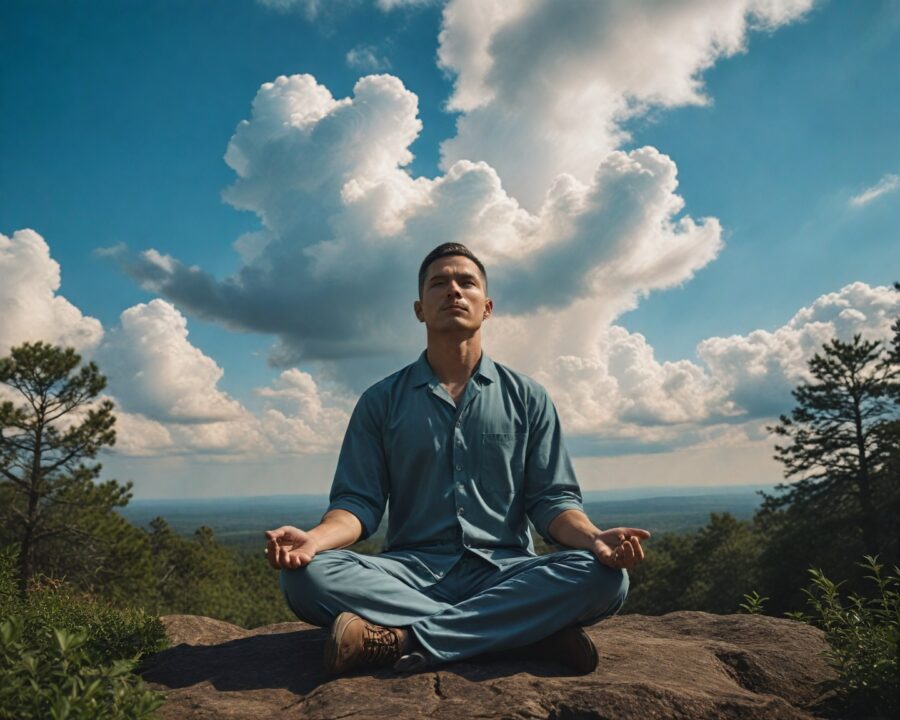
Creating space between thought and reaction is a skill that often stands as the cornerstone of emotional intelligence and logical decision-making. In our fast-paced world, we are bombarded with stimuli that prompt us to react impulsively, often leading to regrettable outcomes or heightened stress. Sadly, we are rarely taught how to pause, reflect, and choose our responses thoughtfully. The art of managing this intricate dance between thoughts and reactions can significantly enhance both personal and professional life, paving the way to more fulfilling relationships and greater personal satisfaction.
While it might seem elusive, creating this mental space is an achievable goal for everyone willing to put in the effort. Through mindfulness techniques and emotional regulation, individuals can learn to observe their thoughts without immediate judgment and engage in more conscious reactions. This not only benefits personal well-being but also improves interactions with others, as well-thought-out reactions tend to foster more constructive dialogue and understanding. Let us dive deeper into how this can be achieved naturally through structured practice and mindfulness.
Understanding the Connection Between Thoughts and Reactions
The interplay between our thoughts and reactions is a fundamental aspect of human cognition and behavior. Our thoughts are often automatic, forming without conscious effort. When faced with a stimulus, these thoughts rapidly lead to reactions—whether verbal, emotional, or physical. The process occurs so swiftly that it often feels like a single event, leaving little room for deliberate choice.
However, it’s important to recognize that our reactions stem from a complex network of beliefs, past experiences, and emotions. For instance, a heated email from a colleague might spark immediate defensiveness because of underlying insecurities or previous conflicts. Understanding this connection helps us identify the root causes of our reflexive responses and gives us the tools to intervene.
By acknowledging this dynamic, we open the door to greater self-awareness. We start to question whether our responses align with our true selves and values or are governed by outdated or incorrect assumptions. This awareness is the first step toward breaking free from habitual reactions and fostering more intentional responses.
The Importance of Creating Mental Space for Better Decisions
Creating mental space can be likened to taking a moment of silence amidst the chaos. It’s in this space that we gain clarity, allowing us to evaluate our thoughts objectively and make informed decisions. When we mindlessly react, we often fail to consider the long-term ramifications of our actions, which can lead to conflict or regret.
This mental space affords us the opportunity to detach from our immediate emotional responses and adopt a more analytical approach. By doing so, we are more likely to identify alternative solutions and outcomes that may be more beneficial in the long-term. It is in this reflective space that empathy, innovation, and rationality thrive.
In professional settings, this clarity of thought translates to enhanced problem-solving abilities and better leadership. Leaders who can effectively pause and assess situations not only make more effective decisions but also inspire the same thoughtful behavior in their teams. This capacity, therefore, extends beyond personal growth and significantly influences organizational success.
How Mindfulness Helps in Observing Thoughts Without Judgment
Mindfulness, the practice of being present in the moment, is crucial in helping us observe our thoughts without judgment. This non-judgmental awareness allows us to see thoughts as transient mental events rather than absolute truths. It fosters a sense of curiosity and openness towards our thinking patterns.
Through mindfulness, we begin to notice repetitive or unproductive thoughts that trigger automatic reactions. This practice empowers us to let go of thoughts that do not serve us, thereby reducing their power to compel reactions. Instead of being swept away by a torrent of thoughts, we become calm observers, giving us the freedom to choose our responses.
Incorporating mindful breathing, meditation, or mindful walking into our daily routine can cultivate this non-judgmental awareness. Even a few minutes a day dedicated to mindfulness practice can significantly enhance our ability to observe thoughts with detachment and compassion.
Techniques to Pause and Reflect Before Reacting
Creating a pause between impulse and action is an essential skill that can be developed through various techniques. This intentional pause allows us to regulate our emotions and respond with intention rather than habit. Here are a few techniques to consider:
- Deep Breathing: Taking slow, deep breaths can help calm the nervous system and create a buffer between stimulus and response.
- Counting to Ten: This simple act can prevent impulsive reactions by giving the rational brain a chance to engage.
- Reflective Questions: Asking oneself questions like “What are my true intentions?” or “What outcome am I seeking?” can bring clarity.
- Time-Out: Stepping away from a heated scenario to gather thoughts can provide a fresh perspective.
Each of these methods aids in creating a moment of reflection that separates thought from action. By routinely incorporating these techniques, we can retrain our minds to approach situations calmly and thoughtfully.
The Role of Emotional Regulation in Thoughtful Responses
Emotional regulation is the process of managing one’s feelings effectively. It involves acknowledging emotions, understanding their sources, and choosing how to express them. Strong emotional regulation is vital in creating space between thought and reaction, as unchecked emotions can hijack rational thinking.
Developing emotional awareness helps us recognize when emotions are steering us towards a hasty reaction. By validating and labeling our emotions, we can diminish their intensity and regain control over our responses. For instance, acknowledging feelings of anger can prevent them from escalating further and clouding our judgment.
Emotional regulation also involves self-soothing strategies like exercise, deep breathing, or engaging in creative activities. These strategies help in shifting the focus away from the emotion and onto problem-solving, thereby facilitating more reasoned and effective responses to life’s challenges.
Common Challenges in Creating Space Between Thought and Reaction
While the benefits of creating space between thought and reaction are clear, several challenges can make it difficult to practice consistently. One of the most significant barriers is the deeply ingrained nature of automatic responses. Years of habitual reactions can create neural pathways that are difficult to break.
Stress is another impediment, often hijacking our ability to remain calm and objective. In high-stress situations, the body’s fight-or-flight response can narrow our focus, making thoughtful deliberation more challenging.
Additionally, societal pressures and the fast pace of modern life often demand quick reactions, leaving little room for reflective thought. Overcoming these challenges requires patience, persistence, and the understanding that change takes time.
Practical Exercises to Build Self-Awareness and Control
Building self-awareness and control is essential in mastering the space between thought and reaction. Here are some exercises that can help:
- Journaling: Regularly recording thoughts and feelings can enhance self-awareness and reveal patterns that need attention.
- Body Scan Meditation: This practice involves systematically focusing on different parts of the body to increase mindfulness and self-awareness of physical sensations associated with emotions.
- Perspective-Taking: Considering situations from another person’s point of view can increase empathy and reduce reactionary bias.
- Thought Diary: Logging reactive thoughts and analyzing the circumstances leading to them can elucidate triggers.
These exercises serve as powerful tools in achieving greater control over thoughts and reactions, allowing for a more mindful approach to everyday interactions.
How to Apply These Techniques in Daily Life Situations
Applying mindfulness techniques in daily life is where their true power is revealed. Start with small moments, such as choosing not to react immediately to a minor annoyance. Use mindfulness techniques like deep breathing or counting to ten before responding to stressful situations.
Integrate mindful practices into daily routines, such as mindful eating or mindful commuting, to reinforce the habit of reflection. These practices can be applied in professional settings during meetings where pauses can lead to innovative solutions and at home in improving family communication.
Remember, the key is not perfection but progress. With time and consistent practice, these techniques will become second nature, gradually transforming reactions into more thoughtful responses across various situations in life.
The Benefits of Mastering Thought-Reaction Separation
Mastering the natural separation between thought and reaction offers profound benefits, transforming not just personal well-being but also professional success and interpersonal relationships. It leads to improved emotional intelligence, a facet deeply connected to self-awareness and emotional regulation.
By fostering a space between stimuli and reactions, individuals experience decreased stress levels and increased patience, enhancing their overall quality of life. Those who practice these techniques often report higher satisfaction in relationships, as thoughtful responses prevent miscommunications and foster mutual respect.
In professional environments, the capacity to pause and reflect can result in better decision-making, more strategic thinking, and superior leadership qualities. Companies and teams benefit when employees and leaders engage thoughtfully rather than react impulsively.
| Technique | Application | Benefit | Challenge |
|---|---|---|---|
| Deep Breathing | Stressful Situations | Calms nervous system | Requires conscious practice |
| Reflective Questions | Decision-Making | Clarifies intentions | Can be uncomfortable at first |
| Journaling | Self-Reflection | Enhances self-awareness | Consistency in writing |
| Mindful Meditation | Daily Routine | Increases focus and mindfulness | Time commitment |
Next Steps: Building a Consistent Practice for Long-Term Growth
Establishing a sustainable practice for long-term growth requires commitment and a strategic approach. Begin by setting specific goals that align with your needs, such as reducing stress or improving communication. Commit to brief daily mindfulness exercises, gradually increasing duration as comfort with the practice grows.
Utilize resources such as guided meditations, apps, or classes to provide structure and guidance. Incorporate mindfulness into existing routines to ease the adoption process, such as a short pause before starting the car or during lunch breaks.
Finally, reflect on progress regularly and adjust practices as necessary. Celebrate small victories, and understand that setbacks are part of the learning process. With continuous, incremental efforts, establishing a long-lasting practice is achievable.
FAQ
What is the main goal of creating space between thought and reaction?
The main goal is to allow for thoughtful, intentional responses rather than impulsive reactions. This space enables better emotional regulation and decision-making.
How does mindfulness help in controlling reactions?
Mindfulness helps by increasing self-awareness and promoting non-judgmental observation of thoughts and emotions, allowing for greater control over reactions.
Can these techniques reduce stress?
Yes, by fostering a calm and reflective mindset, these techniques can significantly reduce stress and improve overall mental health.
Is it possible to practice these techniques in high-pressure situations?
Yes, with consistent practice, these techniques can become automatic, aiding in high-pressure scenarios by offering clarity and improving resilience.
How do I know if I’m making progress?
Improved relationships, a greater sense of calm, and better decision-making are signs of progress. Reflection and journaling can help track these changes.
Can children learn to create space between thought and reaction?
Absolutely, teaching mindfulness and self-regulation techniques to children can empower them to handle emotions and reactions effectively.
What should I do if I struggle to create space between thoughts and reactions?
If struggling, begin with short mindfulness exercises and gradually build up. Consulting a therapist or coach for guidance can also be beneficial.
Are these practices culturally universal?
While foundational principles of mindfulness are universal, adaptations may be needed to align with cultural contexts and individual preferences.
Recap
In this article, we explored the intricate relationship between thoughts and reactions and stressed the importance of creating mental space for better decision-making. We discussed how mindfulness allows us to observe thoughts without judgment and introduced various techniques for pausing and assessing our responses. The role of emotional regulation in ensuring thoughtful responses was highlighted, along with challenges and practical exercises for building self-awareness. We also examined how these techniques can be applied in daily life to enhance personal and professional interactions and detailed the benefits of mastering thought-reaction separation. Lastly, we outlined next steps for building a consistent mindfulness practice to support long-term growth.
Conclusion
Creating a space between thought and reaction is an invaluable skill that can transform everyday experiences, leading to more intentional and enriching interactions. By practicing mindfulness and developing emotional regulation, individuals can gain mastery over their responses, resulting in a more fulfilling life. These practices empower individuals to navigate the complexities of modern living with grace and composure.
By fostering this space, we usher in a future where our interactions are characterized by empathy, understanding, and respect. Such a shift not only elevates individual well-being but also contributes to healthier, more cohesive communities.
Continued learning and adaptation of these techniques will further enrich our journey, providing a foundation of stability and mindfulness amidst life’s inevitable challenges. With perseverance and dedication, the practice of creating space between thought and reaction can become a steadfast ally in personal growth and transformation.