
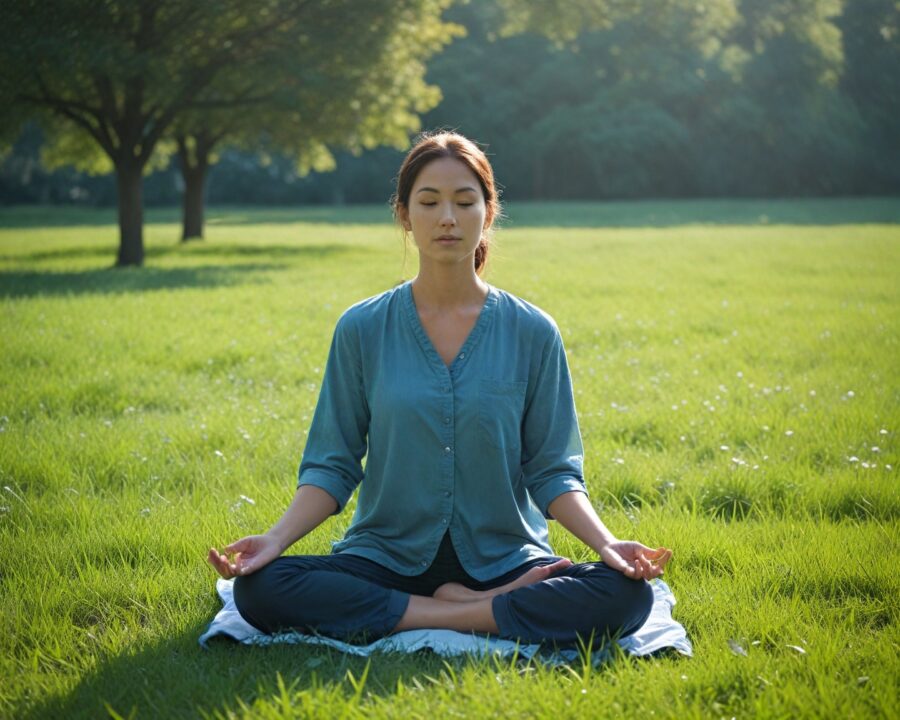
Understanding emotional wounds and their psychology is fundamental in the quest for emotional healing. Emotional wounds often stem from negative experiences, trauma, or loss and can have a lasting impact on one’s mental health and overall well-being. They are invisible injuries that accumulate over time and are often left untreated, leading to stress, anxiety, depression, and other mental health issues. Recognizing these emotional wounds is the first step towards acknowledging the need for healing.
Meditation stands out as a powerful tool for healing these wounds. Using meditation techniques to address emotional pain offers a pathway to inner peace, improved mental health, and a better quality of life. This practice transforms the way we perceive and react to emotional pain by encouraging a focus on the present, enhancing our ability to manage stress, and cultivating a more profound self-awareness.
Understanding Emotional Wounds and Their Impact on Mental Health
Emotional wounds can influence an individual’s mental health in numerous ways. They often manifest as repeated negative thought patterns, feelings of worthlessness, or chronic stress and anxiety. These wounds originate from diverse sources, including childhood trauma, significant losses, or critical life changes. Over time, if not addressed, they may lead to severe mental health conditions such as depression, anxiety disorders, or even post-traumatic stress disorder (PTSD).
The impact of emotional wounds is multifaceted. They can disrupt personal relationships, affect career performance, and diminish one’s overall quality of life. Emotional wounds often lie beneath the surface, sometimes undetected, until they manifest as habitual behaviors or emotional responses. This delayed manifestation underscores the importance of addressing emotional wounds proactively.
Recovery from emotional wounds requires intentional effort and a supportive environment that fosters healing. It involves acknowledging these wounds, understanding their origins, and implementing strategies for emotional recovery, such as counseling, therapy, and most notably, meditation. By actively seeking ways to heal, individuals can reclaim control over their mental well-being.
The Science Behind Meditation and Emotional Healing
The relationship between meditation and emotional healing is grounded in scientific research that highlights the neurological impacts of meditation practices. Meditation has been shown to influence neuroplasticity, the brain’s ability to reorganize itself by forming new neural connections throughout life. This flexibility allows the brain to recover from negative emotional experiences and replace them with healthier thought patterns.
Research indicates that regular meditation can decrease the density of the amygdala, the brain area responsible for stress and emotional responses, leading to reduced anxiety and improved emotion regulation. Moreover, it enhances the prefrontal cortex’s functions, which are associated with higher thinking and rational decision-making, promoting a more balanced emotional state.
Meditation also triggers the release of neurotransmitters like serotonin, dopamine, and GABA, which are essential for mood regulation and relaxation. These biological effects contribute to meditation’s effectiveness in facilitating emotional healing, making it a valuable tool for those seeking to mend emotional wounds.
Different Types of Meditation for Emotional Recovery
Meditation offers a plethora of techniques, each with unique benefits for emotional recovery. Understanding these different types can help individuals find a practice that aligns with their personal healing journey.
-
Mindfulness Meditation: This involves focusing one’s awareness on the present moment without judgment. It helps individuals become more aware of their thoughts and feelings, allowing for better control over emotional responses.
-
Loving-Kindness Meditation (Metta): Encourages sending goodwill, kindness, and warmth toward others and oneself. This practice can foster emotional recovery by replacing feelings of anger or resentment with compassion.
-
Transcendental Meditation: Involves the use of a mantra and is practiced for 20 minutes twice a day. It helps reduce stress and promote a peaceful state of mind conducive to healing emotional wounds.
-
Guided Meditation: Typically led by an instructor or audio guide, these meditations guide participants in visualizing peaceful scenarios or focusing on specific aspects of emotional recovery.
By exploring these and other meditation types, individuals can customize their healing experiences, making meditation not only a method of coping but a deeply personal journey towards emotional freedom.
How Mindfulness Helps in Processing Emotional Pain
Mindfulness plays a pivotal role in emotional healing by shifting the focus from external stressors to the internal experiences of the present moment. Practicing mindfulness allows individuals to observe thoughts and emotions without becoming enmeshed in them, which can be incredibly liberating and healing.
Being mindful encourages the acceptance of emotions as they arise, diminishing their power over time. Instead of avoiding or suppressing painful emotions, mindfulness teaches individuals to face them with curiosity and openness. This practice highlights the transient nature of emotions, helping to prevent chronic emotional distress.
Moreover, mindfulness can reduce symptoms of anxiety and depression by fostering a non-judgmental awareness of the present. This kind of awareness is crucial for breaking the cycle of negative thought patterns. As a result, mindfulness becomes a cornerstone of emotional healing practices, offering a sustainable approach for managing pain and fostering peace of mind.
Step-by-Step Guide to Starting Meditation for Healing
Starting a meditation practice aimed at healing emotional wounds requires a conscious commitment to the process. Here’s a step-by-step guide to get you started.
-
Set an Intention: Begin by setting a clear intention for your meditation practice. This might be healing from past hurt, managing stress, or fostering self-compassion.
-
Create a Quiet Space: Designate a quiet, comfortable space for your meditation practice, free from distractions. Consider using candles or soft music to create a calming atmosphere.
-
Choose a Type of Meditation: Select a meditation that resonates with your emotional healing goals. You might try mindfulness meditation, loving-kindness meditation, or guided meditation.
-
Start with Short Sessions: Begin with short, manageable sessions of 5-10 minutes and gradually increase the duration as you become more comfortable with the practice.
-
Focus on Your Breath: Use your breath as an anchor to bring your focus back whenever your mind starts to wander. The breath is a powerful tool for grounding and calming the mind.
-
Stay Consistent: Consistency is key to the benefits of meditation. Aim to meditate daily, at the same time if possible, to build a regular habit.
| Step | Description |
|---|---|
| Set an Intention | Define your purpose for meditating |
| Create a Space | Find a quiet, dedicated area for practice |
| Choose a Meditation | Select a technique that suits your needs |
| Start Small | Begin with brief sessions and expand over time |
| Focus on Breath | Use breathing to maintain focus |
| Stay Consistent | Aim for a daily practice |
By following these steps, you can cultivate a meditation routine that aids emotional healing and enhances overall well-being.
Common Challenges in Meditation and How to Overcome Them
As with any new endeavor, meditation comes with its own set of challenges. Here are some common obstacles and strategies to overcome them:
-
Restlessness: Many beginners experience restlessness, making it hard to stay still for extended periods. Practicing short sessions and gradually increasing the time can help build tolerance.
-
Mind Wandering: It’s natural for the mind to wander during meditation. When this happens, gently guide your attention back to your breath or focus point. With practice, concentration will improve.
-
Impatience for Results: Meditation is not a quick fix; it’s a journey. To stay motivated, focus on incremental progress and the immediate calmness meditation provides, rather than long-term outcomes.
-
Physical Discomfort: Finding a comfortable sitting position can be challenging. Experiment with different postures, supports, or cushions to alleviate discomfort.
-
Lack of Time: Fitting meditation into a busy schedule can be tough. Prioritize short meditation sessions at the start or end of your day for consistency.
Overcoming these challenges requires patience, persistence, and a willingness to adapt your practice to suit your lifestyle and personal needs.
The Role of Breathing Techniques in Emotional Healing
Breathing techniques are integral to meditation, playing a crucial role in calming the mind and body, which facilitates emotional healing. Conscious breathing can immediately influence the nervous system, promoting relaxation and countering stress responses.
-
Deep Breathing: Engaging in deep, slow breaths is effective in lowering stress and promoting a state of relaxation. Deep breathing enhances oxygen flow to the brain, improving mood and emotional regulation.
-
Box Breathing: This technique, also known as square breathing, involves inhaling, holding, exhaling, and pausing for four counts each. It is effective for managing anxiety and grounding the emotions during stressful situations.
-
Alternate Nostril Breathing: This practice balances the right and left hemispheres of the brain, helping to overcome emotional blockages and fostering a sense of calm and clarity.
Incorporating these breathing techniques into your meditation practice can amplify its effects, offering a potent tool for emotional recovery.
How to Create a Meditation Routine for Consistent Healing
Establishing a meditation routine is crucial for reaping the sustained benefits of emotional healing meditation. Here’s how to create an effective routine:
-
Set Specific Goals: Define what you want to achieve with your meditation practice, whether it’s reducing anxiety, healing from past trauma, or enhancing overall mental health.
-
Schedule It: Treat meditation like any other important appointment. Allocate a specific time each day for meditation, ensuring you create a consistent practice.
-
Be Flexible: Life is unpredictable, so be prepared to adjust your routine as needed. Whether it’s changing the meditation time or length, flexibility can help maintain your practice through life’s changes.
-
Start with Realistic Timeframes: Begin with sessions that fit into your schedule, even if just 5 minutes a day, and gradually increase as you become more comfortable.
-
Record Your Progress: Keep a meditation journal to jot down experiences, emotions, and progress. This practice can help in identifying areas of improvement and maintaining motivation.
By creating a meditation routine, individuals can ensure that meditation remains a part of their daily lives, providing lasting effects on emotional well-being.
Real-Life Success Stories of Emotional Healing Through Meditation
Stories of individuals who have found healing through meditation are both inspiring and motivational. These real-life accounts highlight the transformative power of meditation in overcoming emotional setbacks:
-
Sarah, Overcoming Anxiety: After years of battling severe anxiety, Sarah turned to mindfulness meditation. Within months, she noticed a significant reduction in anxiety symptoms as she learned to observe her thoughts without judgment.
-
James, Healing from Grief: Following the loss of a close family member, James struggled with overwhelming grief. Engaging in loving-kindness meditation, he found solace and a path to forgive oneself, transforming grief into loving memories.
-
Andy, Conquering Stress: A high-pressure job left Andy frequently stressed and exhausted. Implementing a daily practice of guided meditation, he discovered more profound relaxation and a clearer perspective on stress management.
These examples illustrate the potential of meditation to transcend personal pain and foster emotional resilience, providing hope for those on similar paths of healing.
Next Steps: Combining Meditation with Other Self-Care Practices for Holistic Healing
While meditation is an effective tool for emotional healing, combining it with other self-care practices can provide comprehensive benefits. Here’s how to expand your healing journey:
-
Exercise: Physical activity can complement meditation by reducing stress levels and boosting mood through the release of endorphins.
-
Healthy Eating: Nutrition plays a vital role in supporting mental health. A balanced diet rich in nutrients can enhance the effects of meditation.
-
Journaling: Writing about emotions and experiences can be a therapeutic complement to meditation, helping to process thoughts and feelings.
-
Professional Therapy: Engaging in therapy with a mental health professional can provide additional support, offering guidance and strategies pertinent to individual circumstances.
-
Community Support: Joining meditation groups or communities can provide social support and encouragement, enriching the journey of emotional healing.
By integrating these practices, individuals can cultivate a holistic approach to emotional healing, ensuring a well-rounded and enriched path to better mental health.
FAQ Section
What are emotional wounds?
Emotional wounds are psychological injuries that result from negative experiences or traumatic events, leading to feelings of pain, distress, and unhappiness. They can significantly impact one’s mental health and day-to-day functioning.
How can meditation help with emotional healing?
Meditation aids emotional healing by promoting relaxation, increasing emotional awareness, and fostering positive thought patterns. It can help individuals process emotions more effectively and reduce stress, leading to improved mental health.
What is the best time to meditate for emotional healing?
The best time to meditate depends on your personal schedule, but many find morning meditation beneficial to set a positive tone for the day. Evening meditation, on the other hand, can help unwind stress from the day and promote restful sleep.
Can anyone practice meditation for emotional healing?
Yes, meditation is accessible to anyone willing to try. Beginners should start with short sessions and gradually increase duration as they become more comfortable. There are various types of meditation, so it’s essential to find one that resonates with your healing needs.
How long does it take to see results from meditation?
Results from meditation can vary from person to person. Some may notice immediate effects such as a sense of calm, while others may need weeks or months of practice to experience significant mental and emotional changes.
Are there any side effects of meditation?
Meditation is generally safe, but some individuals might experience emotional discomfort or distress as they explore deeper emotional wounds. It’s crucial to approach meditation gently and consider professional guidance if challenging emotions arise.
Can meditation replace therapy or medication?
While meditation is a helpful tool for managing emotions and mental health, it is not a replacement for therapy or medication for those with severe mental health conditions. It can be part of a comprehensive treatment plan recommended by a healthcare provider.
Recap
This article explores the concept of emotional healing through meditation, emphasizing understanding emotional wounds and their impact on mental health. It discusses the science behind meditation and how it promotes emotional recovery through various techniques. The importance of mindfulness, breathing, and creating a meditation routine are highlighted, alongside real-life success stories. Combining meditation with other self-care practices offers a comprehensive approach to emotional healing.
Conclusion
Meditation is a powerful practice that offers numerous benefits for emotional healing. By fostering a deeper understanding of one’s emotions and enhancing the capacity for self-compassion and understanding, meditation becomes a cornerstone for addressing emotional wounds. It encourages personal growth and emotional resilience, promoting a more harmonious existence.
Incorporating meditation into daily life can lead to profound and lasting emotional recovery. As individuals become more attuned to their emotional processes, they are better equipped to navigate the complexities of life. With consistent practice, meditation provides a pathway to healing and transformation, offering hope and peace to those burdened by emotional wounds.