
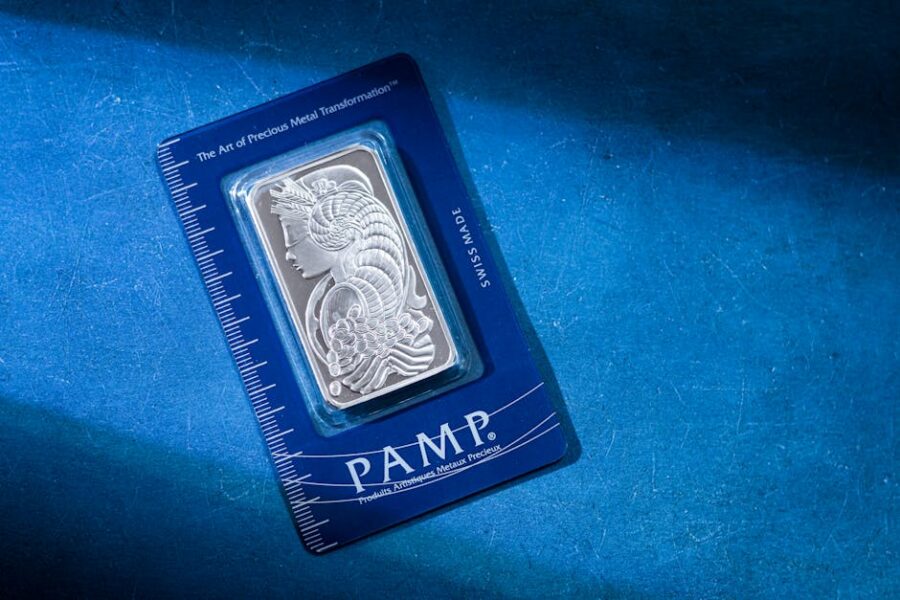
Introduction to Commodities and Precious Metals
In the landscape of financial investments, commodities and precious metals have held a position of prestige and potential across centuries. From historical times to modern-day trading floors, these tangible assets have fascinated and fortified the portfolios of both seasoned and new investors alike. Understanding the intrinsic value and global demand these assets command is crucial for anyone looking to explore the alternative investment market. The allure of investing in commodities and precious metals lies not just in their inherent worth but also in their historical performance as a hedge against inflation and economic uncertainty.
The essence of commodities and precious metals investment is rooted in their fundamental nature. Commodities are raw materials or primary agricultural products that can be bought and sold. Often, they form the backbone of the global economy, influencing policy and development. Precious metals, on the other hand, are rare, naturally occurring metallic elements with high economic value. These include gold, silver, and platinum, revered not only for their beauty and utility but also for their potential to serve as a stable store of wealth.
For investors, these assets provide an avenue to diversify portfolios and mitigate risks associated with more traditional investments like stocks and bonds. Commodities and precious metals often perform independently of the stock market, providing a buffer during market volatility. As such, understanding how to effectively invest in these assets can be instrumental in developing a robust, long-term wealth-building strategy.
Despite their potential, investing in commodities and precious metals is not without its complexities. Market dynamics, geopolitical shifts, and technological advancements can all play a significant role in influencing prices. Thus, a comprehensive understanding of these factors is necessary to make informed investment decisions.
Understanding the Commodity Market
The commodity market is a comprehensive domain that involves buying, selling, and trading a variety of raw materials. These commodities are generally classified into two categories: soft commodities and hard commodities. Soft commodities include things like sugar, coffee, and wheat, which are grown, whereas hard commodities include metals and oil, which are extracted.
One of the key features of the commodity market is its dependence on widespread global factors such as weather patterns, geopolitical circumstances, and economic shifts. Unlike corporate stocks, where company performance can have a direct impact on the stock price, commodity prices are more influenced by global supply and demand. This inherent quality can offer diversification benefits because commodity performance doesn’t always correlate with financial markets.
Participants in the commodity market range from street-level traders to multinational corporations. Since these markets are highly leveraged, small changes in commodity prices can result in large fluctuations, offering potential for significant profit, but also substantial risk. For this reason, investment in commodities requires a sound understanding of how these markets operate and the risk factors involved. Investors may access commodity markets through spot trading, futures contracts, or via commodity-focused mutual funds and ETFs.
Types of Commodities: Hard vs. Soft
Commodities are broadly categorized into two types: hard and soft commodities. Hard commodities are generally natural resources that are mined or extracted, such as gold, oil, or copper. These commodities are essential in manufacturing and construction and tend to be more stable since they are influenced by industrial demand and long-term infrastructure projects.
Soft commodities, on the other hand, include agricultural products such as wheat, coffee, and cotton. These are cultivated, and their prices can be more volatile due to seasonal changes, weather conditions, and other external factors. For example, a drought in a major corn-producing region could severely impact the global supply, leading to higher prices.
Understanding the differences between these two types of commodities can help an investor tailor their investment strategies. Hard commodities often offer security through predictable demand in industrial applications, while soft commodities can offer higher returns due to their price volatility.
A comprehensive investment strategy may include a balanced mix of both hard and soft commodities. This balance allows investors to exploit different aspects of each type’s market dynamics while maintaining a degree of stability through diversification.
Why Invest in Precious Metals?
Precious metals, such as gold, silver, and platinum, have been valued for thousands of years, not just for their aesthetic qualities but for their capacity for wealth preservation. During periods of economic instability or inflation, precious metals often appreciate in value, making them a favored investment vehicle for risk-averse investors seeking safety and stability.
Gold is perhaps the most well-known precious metal and has a historical precedent as a currency and a universal store of value. Its rarity, durability, and intrinsic value make it a compelling hedge against inflation. Silver, while also widely regarded, serves a dual purpose: as both a precious metal and an industrial commodity, offering exposure to both aspects of economic growth.
Platinum, less known to the casual investor, is often considered a more speculative investment due to its reliance on industrial applications, particularly in the automotive industry. However, like gold and silver, it holds intrinsic value due to its rarity and industrial use.
Investing in precious metals can be achieved through physical purchases of bullion and coins, or through financial products like futures contracts, ETFs, or stocks in mining companies. The decision on how to invest should depend on one’s investment goals, risk tolerance, and whether they prefer to hold tangible assets or prefer securities that can be traded on the stock market.
Popular Precious Metals for Investment: Gold, Silver, Platinum
Gold
Gold is the most prominent choice among investors due to its historical significance and economic reliability. It serves as a universal currency that can be used or traded anywhere in the world. Typical forms of gold investment include bullion bars, coins, and gold certificates that verify ownership of gold stored elsewhere. The primary purpose of investing in gold is to hedge against market fluctuations; however, it can also be a source of profit through buy-low, sell-high strategies.
Silver
Silver is both a precious metal and an industrial metal. It’s widely used in electronics and technology, which adds another dimension to its investment appeal. Investing in silver can be less costly compared to gold, but the market is subject to more volatility. The dual demand—both industrial and investment—often results in wide price swings, which, while riskier, can also provide greater profitability.
Platinum
Platinum is rarer than gold and silver and has a significant industrial application. It’s used in automobile catalytic converters, which play a key role in reducing emissions. This industrial demand can heavily influence its price. As an investment, platinum offers an opportunity to diversify beyond gold and silver, potentially benefiting from both the increasing demand in industries and its standing as a precious metal.
| Precious Metal | Common Use Cases |
|---|---|
| Gold | Jewelry, Investment, Electronics |
| Silver | Industrial applications, Currency |
| Platinum | Automotive, Jewelry, Catalyst |
Risks and Rewards of Investing in Commodities
Investing in commodities offers a blend of potential high returns and inherent risks. Understanding these aspects is vital for anyone considering entering this market.
Risks:
- Volatility: Commodity prices can be highly volatile due to factors such as geopolitical tensions, natural disasters, and changes in production and consumption trends.
- Market Fluctuations: Economic changes, such as inflation and interest rates, can significantly impact commodity prices, sometimes unpredictably.
- Leverage Risk: Many commodities are traded using leverage, meaning small price movements can lead to large gains but also large losses.
Rewards:
- Diversification: Commodities can provide a diversification benefit as they often react differently to economic events compared to stocks and bonds.
- Inflation Hedge: Historically, commodities have served as an effective hedge against inflation, preserving purchasing power.
- Potential Profitability: Due to their volatility, commodities can offer significant profit opportunities for well-timed investments.
To effectively manage these risks and rewards, investors need to remain informed about market trends and global events. Proper diversification and risk management strategies should also be employed to mitigate potential downsides.
How to Start Investing in Commodities
Beginning your journey in commodity investing requires a solid understanding of the market and a well-thought-out strategy. Here’s a step-by-step guide on how to start:
- Research: Understand the commodity markets you are interested in, including what influences their supply and demand, and familiarize yourself with pricing trends.
- Set Goals: Determine why you want to invest in commodities—whether it’s for diversification, speculation, or hedging against inflation.
- Select Type: Decide which type of commodity or commodities you wish to invest in, be it agricultural products, metals, or energy resources.
Once these foundational steps are complete, the next step is to choose your investment vehicle. Options include direct investment in physical commodities, commodity futures, ETFs, mutual funds, or shares in commodity-producing companies. Each of these comes with its own set of pros and cons and may suit different investment goals and risk tolerances.
It is also essential to open an account with a broker that provides access to the commodities markets. Ensure you choose a reliable and reputable broker with a strong track record in commodity trading. Additionally, stay updated with market news and analysis to make timely decisions.
Investment Strategies for Precious Metals
Effective investment in precious metals requires not only understanding the market dynamics but also developing and implementing sound strategies. Consider these approaches:
- Buy and Hold: This strategy focuses on purchasing metals and holding on to them for an extended period to guard against long-term volatility and capitalize on potential appreciation.
- Dollar-Cost Averaging: Invest a fixed amount regularly regardless of the price, which can lower the average cost over time and reduce the impact of market fluctuations.
- Active Trading: For those with higher risk tolerance, active trading strategies such as day trading or swing trading can be employed. However, these require a high level of expertise and time commitment.
To execute these strategies effectively, investors should remain informed about global economic indicators, monetary policies, and geopolitical events, as these can all affect precious metals prices. Proper allocation in a diversified portfolio is also crucial to manage risk while optimizing potential returns.
Diversifying Your Portfolio with Commodities
Diversification is a key concept in mitigating risk and enhancing returns within a portfolio. Commodities serve as a non-correlated asset to traditional investments such as stocks and bonds, offering an excellent diversification tool.
Adding commodities to your investment mix can:
- Reduce Risk: Since commodity prices do not always move in tandem with stock and bond markets, they can reduce overall portfolio risk.
- Enhance Returns: During periods when traditional markets are underperforming, commodities like precious metals often perform well, thereby boosting portfolio returns.
- Hedge Against Economic Uncertainty: Commodities are tangible assets and can protect against currency devaluation and persistent inflation.
To effectively diversify with commodities, investors should: 1) research and analyze the current market environment, 2) consider how commodities fit with their overall investment strategy, and 3) ensure they have adequate exposure to different types of commodities.
Analyzing Market Trends and Price Movements
Investors must be adept at analyzing market trends and price movements to succeed in commodity trading. This involves understanding both macroeconomic factors and specific commodity market indicators.
- Supply and Demand: Monitor both short-term and long-term changes in supply and demand, which have direct implications on pricing.
- Geopolitical Events: Keep abreast of geopolitical changes, such as wars and trade agreements, which can disrupt commodity supply and affect prices.
- Economic Indicators: Track key economic indicators like GDP growth, inflation rates, and employment figures, which can signal changes in commodity demand.
Alongside these, employing technical analysis can be valuable. By analyzing historical price charts and identifying patterns such as trend lines and support and resistance levels, investors can make more informed entry and exit decisions.
Tips for New Investors in Commodities and Precious Metals
For new investors eager to delve into commodities and precious metals, consider the following tips:
- Educate Yourself: Understanding commodity market mechanics is crucial. Utilize online resources, courses, and books to build a solid foundational knowledge.
- Start Small: Begin with a small portion of your portfolio dedicated to commodities until you gain confidence and experience.
- Be Adaptive: Markets change rapidly. Adaptability and the willingness to learn and adjust strategies is essential for success.
- Seek Professional Advice: Consult with financial advisors who specialize in commodities if needed, especially when navigating complex or unfamiliar markets.
- Performance Review: Regularly review your portfolio and assess the performance of your investments to make necessary adjustments.
FAQ
What are commodities?
Commodities are basic goods used in commerce that are interchangeable with other goods of the same type. They include agricultural products, fuels, and metals.
How can I purchase precious metals?
You can purchase precious metals in physical form such as coins and bars, or through financial instruments like ETFs, futures, and mutual funds.
Are commodities a good investment for beginners?
Commodities can be a good investment for beginners when approached with caution and adequate research, as they provide diversification and potential hedging benefits.
What factors influence commodity prices?
Commodity prices are influenced by supply and demand, geopolitical events, economic indicators, weather patterns, and technological advancements.
Can investing in commodities protect against inflation?
Yes, investing in commodities can protect against inflation as they often increase in value when the purchasing power of currency decreases.
Recap
Investing in commodities and precious metals offers opportunities for diversification and wealth preservation. Understanding the dynamics of both hard and soft commodities, recognizing the allure and strategic importance of precious metals like gold, silver, and platinum, and employing balanced investment strategies are crucial steps in building a robust portfolio. Assessing market trends, managing risks, and employing effective diversification strategies can lead to more informed and potentially rewarding investment decisions.
Conclusion
Commodities and precious metals stand as stalwarts within the investment landscape, offering opportunities for substantial growth and risk mitigation. They allow investors to diversify, hedge against economic downturns, and capitalize on global demand shifts. A disciplined approach, fortified by continuous learning and market vigilance, is essential for navigating the complexities of these markets.
At its heart, investing in commodities and precious metals requires a thoughtful balance of risk and reward, grounded in a strategic understanding of global economic environments. As investors explore these assets, they open pathways to potentially enriching and diversifying their financial portfolios for long-term success.