
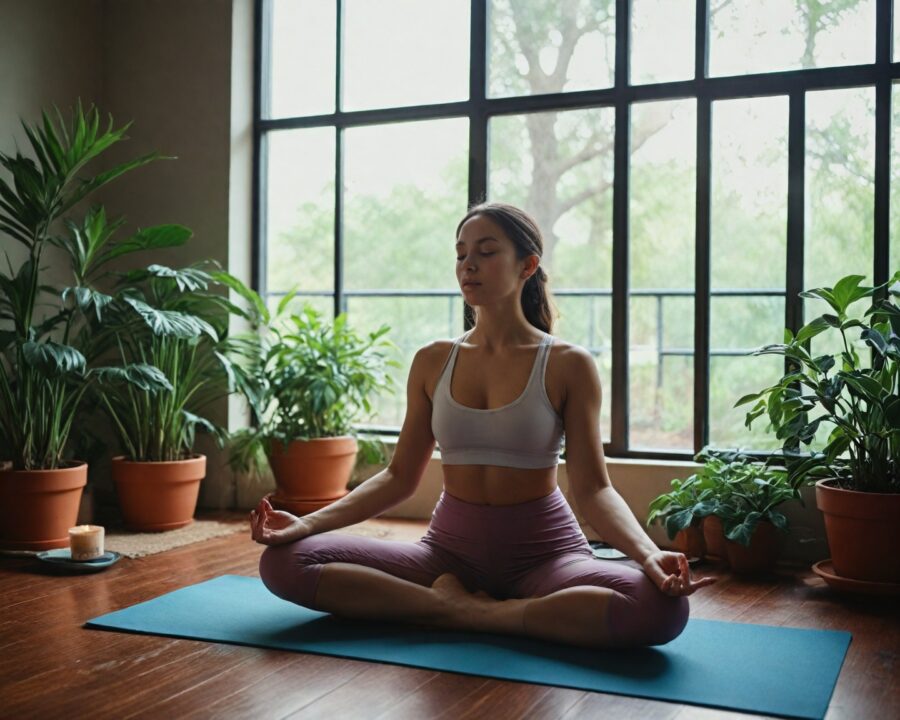
Body scan meditation is a powerful practice that can enhance self-awareness, reduce stress, and improve overall well-being. Rooted in mindfulness, this form of meditation encourages individuals to focus their attention on various parts of the body, facilitating a deeper connection with themselves. Whether you are a meditation novice or a seasoned practitioner, body scan meditation offers a unique opportunity to cultivate mindfulness and nurture your mental, emotional, and physical health. In this guide, we will explore the many dimensions of body scan meditation, including its benefits, challenges, and integration into daily life.
Practicing body scan meditation involves a series of intentional, systematic approaches aimed at promoting relaxation and self-awareness. It’s more than just a method to achieve momentary calmness — it’s a lifestyle choice that fosters a deeper understanding of one’s inner landscape. By embracing this practice, individuals can experience a transformative shift in how they relate to themselves and the world around them. As we delve into the specifics of body scan meditation, we’ll provide a comprehensive guide that covers the essential aspects of the practice, helping you navigate each step with clarity and confidence.
What is Body Scan Meditation?
Body scan meditation is a specific form of mindfulness meditation that involves paying close attention to different parts of the body, usually in a sequential manner, to develop a heightened sense of awareness. This technique encourages practitioners to tune into the physical sensations in each body area, without judgment, to promote relaxation and self-awareness. Unlike some other meditation practices that focus on a single anchor, like the breath, body scan meditation systematically guides attention through various parts of the body.
Originally derived from ancient contemplative practices, body scan meditation has become an essential component of modern mindfulness-based stress reduction programs (MBSR), popularized by Dr. Jon Kabat-Zinn. The process involves lying down or sitting comfortably and gradually directing attention from head to toe, or vice versa, noticing each sensation, tension, or relaxation present in the body. This practice is designed to foster a harmonious relationship with one’s body and mind, facilitating a state of deep relaxation while enhancing bodily awareness.
In essence, body scan meditation is a journey of self-connection where one learns to listen to the body’s signals with curiosity, rather than criticism. This method doesn’t aim to change what you feel but instead invites an exploratory mindset, encouraging a compassionate and non-judgmental observation of physical sensations. Over time, this practice can lead to profound insights into how stress or emotions manifest physically, supporting a balanced and centered approach to life.
The Benefits of Body Scan Meditation for Self-Connection
Engaging in body scan meditation provides numerous benefits, most notably in fostering a deeper connection with oneself. One of the primary advantages of this meditation practice is the enhancement of body awareness. By regularly tuning into the physical sensations and learning to observe them without judgment, individuals become more attuned to their body’s needs and responses. This increased awareness can lead to healthier lifestyle choices and a greater appreciation for one’s physical being.
Moreover, body scan meditation helps in reducing stress and promoting relaxation. In today’s fast-paced world, it’s easy to become disconnected from one’s body and overwhelmed by stress. By methodically focusing on various body parts, practitioners can release tension and cultivate a sense of inner peace. This practice helps in activating the body’s parasympathetic nervous system, known as the “rest and digest” response, which counteracts stress’s physical effects.
Another significant benefit of body scan meditation is its ability to enhance emotional regulation. By recognizing the connection between physical sensations and emotions, individuals gain insights into their emotional patterns. This awareness allows for better management of emotions, reducing reactivity and fostering a more balanced emotional life. Ultimately, body scan meditation serves as a versatile tool for enhancing both mental and physical health, creating a holistic sense of self-connection and well-being.
How Body Scan Meditation Enhances Mindfulness
Body scan meditation is a cornerstone practice in developing mindfulness, a state of focused awareness on the present moment. Mindfulness involves paying attention purposefully to one’s thoughts, sensations, and surroundings without judgment, and body scan meditation exemplifies this principle by directing attention to bodily sensations in a structured manner. The practice requires individuals to be present with their experiences as they move through their scan, which naturally cultivates mindfulness over time.
Through regular body scan practice, individuals learn to develop greater sensory awareness. This heightened sense of awareness helps to reduce automatic reactivity to external and internal stimuli, promoting a state of relaxed alertness. As practitioners become more adept at noticing subtle changes and sensations without judgment, they simultaneously cultivate a sense of curiosity and openness towards their present experience, which strengthens their mindfulness practice as a whole.
Moreover, body scan meditation encourages a mindful relationship with one’s body that is grounded in acceptance and compassion. By approaching each sensation with an open and curious mind, individuals learn to let go of resistance and judgment, fostering a more profound sense of self-acceptance. This compassionate awareness is the essence of mindfulness and can significantly enhance one’s quality of life by promoting resilience, emotional balance, and adaptive coping strategies.
Step-by-Step Guide to Practicing Body Scan Meditation
Practicing body scan meditation requires establishing a routine and following a series of steps to ensure a successful meditation experience. Here is a step-by-step guide to help you begin:
-
Find a Comfortable Position: Choose a quiet space where you won’t be disturbed. You can practice sitting or lying down. Ensure you are comfortable, with your spine straight and your body relaxed.
-
Settle and Ground: Close your eyes gently and take several deep breaths. Allow your body to relax and settle into the present moment. Feel the connection between your body and the ground or chair supporting you.
-
Begin the Scan: Start at the top of your head. Focus your attention on any sensations in this area. Notice tension, tingling, warmth, or coolness. Gradually move your attention downwards through your body, scanning each part in detail.
-
Move Systematically: Continue the scan down to your forehead, eyes, cheeks, and jaw, releasing tension as you progress. Move onto your neck, shoulders, arms, hands, and fingers. Proceed to your chest, back, and abdomen, and continue the scan through your hips, legs, and feet.
-
Stay Present: If your mind wanders, gently bring your focus back to the area of the body you are scanning. Always return to the breath if needed to recenter.
-
Conclude the Meditation: Once you have scanned your entire body, take a few moments to rest in the awareness of your whole body and any sensations present. Finish with some deep breaths before gently opening your eyes and bringing this mindful awareness into your daily activities.
By integrating these steps into a regular practice, body scan meditation can become a valuable tool for enhancing self-awareness and mindfulness.
Common Challenges and How to Overcome Them
Body scan meditation, like any meditation practice, may present challenges, especially for beginners. One common challenge is maintaining focus. The mind may wander frequently due to habitual patterns of thinking. To overcome this challenge, remind yourself that it’s perfectly normal for the mind to stray. Each time it does, gently bring your attention back to the body area you are scanning, using the breath as an anchor when needed.
Another challenge many face is physical discomfort. In body scan meditation, individuals may notice aches, tension, or discomfort they were previously unaware of. It’s important to approach these sensations with curiosity rather than judgment or frustration. Adjusting your posture or taking a short break can also help alleviate discomfort.
Time constraints and finding the right setting can also hinder consistent practice. To address this, aim to set aside a specific time for meditation each day, even if it’s only for a few minutes. Creating a dedicated space for meditation can also make the practice more inviting and help eliminate distractions, leading to a deeper and more fulfilling meditation experience.
How Often Should You Practice Body Scan Meditation?
The frequency of body scan meditation practice can greatly influence the benefits you achieve. Ideally, beginners should aim to practice the body scan meditation daily for at least 10 to 15 minutes. Regular daily practice helps establish a routine and makes it easier for the mind and body to adapt to the practice, enhancing its effects.
As you become more comfortable with the practice, you can gradually increase the duration of your meditation sessions to 20 or 30 minutes. Practicing consistently several times a week is more beneficial than longer sessions infrequently, as regular practice helps in cultivating mindfulness and integrating it into daily life.
For those with limited time, even short sessions of 5 to 10 minutes can be valuable. The key is to maintain regularity and consistency. Remember, quality is more important than quantity in meditation. Ensure you are fully present during practice rather than focusing solely on achieving a particular duration or frequency.
The Role of Guided Meditations in Body Scan Practice
Guided meditations play a significant role in enhancing body scan meditation practice, especially for beginners. By providing structure and direction, guided sessions can help practitioners maintain focus and stay engaged throughout the meditation. A knowledgeable guide, whether live or recorded, can offer valuable insights and tips that help deepen the meditation experience.
Guided body scan meditations are available through various platforms, including smartphone apps, online videos, and meditation centers. These resources often include step-by-step instructions that walk you through the meditation, offering prompts to help you focus your attention on different body areas. This guidance can be particularly beneficial in overcoming challenges like distraction or uncertainty about the meditation process.
Even seasoned practitioners can benefit from guided meditations, as they provide an opportunity to explore new techniques and perspectives. Listening to different instructors can introduce variations in the practice, keeping it fresh and engaging. Overall, guided meditations are a valuable resource that can support and enrich your body scan meditation journey.
Tips for Creating a Conducive Environment for Meditation
Creating an environment that fosters relaxation and focus is vital for a successful body scan meditation practice. Here are some tips to help establish an ideal meditation space:
-
Choose a Quiet Spot: Select a place where you are unlikely to be disrupted. Silence or minimal noise can help deepen concentration and facilitate a peaceful meditation experience.
-
Adjust Lighting and Ambiance: Soft lighting or dim settings can promote relaxation. Consider using candles or a small lamp to create a calming ambiance. Natural elements like plants or an open window for fresh air can also enhance the environment.
-
Comfortable Seating or Lying Area: Whether you prefer to sit in a chair, on a cushion, or lay down, ensure your body is supported and comfortable. Proper posture will help you remain focused and prevent physical discomfort.
-
Add Aromatherapy: Incorporating soothing scents through essential oils or incense can enhance relaxation. Choose calming fragrances like lavender or chamomile to accompany your practice.
-
Minimize Distractions: Silence electronic devices and inform others of your meditation time to prevent interruptions. Use headphones with guided meditations to block out ambient noise.
A well-prepared environment not only enhances your meditation practice but also sets the stage for deeper states of mindfulness and self-connection.
Scientific Studies Supporting Body Scan Meditation
Numerous scientific studies have explored the benefits of body scan meditation, supporting its efficacy in improving mental and physical health. Research indicates that regular practice of body scan meditation can lead to reduced stress, anxiety, and depression, while enhancing overall well-being.
| Study | Participants | Key Findings |
|---|---|---|
| JAMA Internal Medicine (2014) | 47 participants with anxiety disorders | Notable improvements in anxiety and emotional regulation with 8 weeks of mindfulness-based practices, including body scan meditation. |
| Health Psychology Review (2015) | Meta-analysis of 209 studies | Demonstrated significant mental health benefits, including decreased stress and enhanced emotional regulation, from mindfulness practices such as body scan meditation. |
| Biological Psychiatry (2016) | 35 participants | A reduction in biomarkers of inflammation was observed, indicating benefits for physical health and potential impact on chronic stress. |
These studies underscore the value of incorporating body scan meditation into a wellness routine, highlighting its role in fostering resilience and supporting mental health.
Next Steps: Incorporating Body Scan Meditation into Daily Life
Integrating body scan meditation into your daily life involves cultivating a practice that resonates with your lifestyle and needs. Start by identifying specific goals or intentions for your meditation practice, such as stress reduction, enhanced self-awareness, or emotional balance. Setting clear intentions can help maintain motivation and direction.
Allocate a specific time each day dedicated to meditation, creating a routine that complements your schedule. Whether it’s early in the morning, during lunch breaks, or before bedtime, consistency is key. Making meditation a habitual part of your day increases the likelihood of long-term benefits and integration into everyday life.
Explore ways to combine body scan meditation with other mindfulness practices. For instance, incorporate mindful breathing exercises, yoga, or mindful walking to enrich your mindfulness practice. Experimenting with various techniques can help you discover the combination that best suits you and fosters a holistic approach to self-awareness and well-being.
Frequently Asked Questions
What is the main goal of body scan meditation?
The primary goal of body scan meditation is to cultivate awareness and connection with the body by systematically focusing on various physical sensations without judgment. This practice aims to promote relaxation, reduce stress, and enhance overall mindfulness.
Can body scan meditation help with physical pain?
Yes, body scan meditation can help individuals manage physical pain by shifting their relationship with it. By observing sensations without judgment and responding with compassion, practitioners can reduce the experience of pain and often alleviate its intensity.
Is body scan meditation suitable for beginners?
Absolutely, body scan meditation is highly suitable for beginners. Its structured format provides clear guidelines, making it easier for newcomers to focus their attention and develop mindfulness skills.
Do I need any special equipment to practice body scan meditation?
No special equipment is needed to practice body scan meditation. You only require a comfortable place to sit or lie down and a quiet environment free from distractions.
Can body scan meditation be practiced anytime?
Though it can be practiced at any time, body scan meditation is most effective when practiced in a quiet, undisturbed environment, allowing for full concentration and relaxation.
Is guided meditation necessary for body scan practice?
While guided meditations can be helpful, especially for beginners, they are not necessary. With experience, many practitioners prefer self-guided sessions maintained through internal focus.
How does body scan meditation impact mental health?
Body scan meditation can have a positive impact on mental health by reducing symptoms of stress, anxiety, and depression through increased mindful awareness and relaxation.
Can I practice body scan meditation in a group?
Yes, practicing body scan meditation in a group setting can offer shared experience, increased motivation, and a sense of community. Many organizations and mindfulness centers offer group meditation sessions.
Recap
In summary, body scan meditation is a powerful tool for enhancing self-connection and mindfulness. By focusing attention on bodily sensations, individuals become more aware of their physical state, fostering relaxation and emotional regulation. Regular practice of body scan meditation can lead to significant improvements in mental and physical health, supported by scientific evidence. Creating a suitable environment and understanding common challenges can enhance the meditation experience. Integrating guided meditations and combining body scan practice with other mindfulness techniques can further support your meditation journey.
Conclusion
The practice of body scan meditation serves as a valuable pathway toward greater self-connection and mindfulness. By paying close attention to physical sensations, individuals develop a deeper understanding of their bodily experiences and emotional health. This heightened awareness fosters compassion and acceptance, allowing for more effective stress management and emotional regulation.
As you embark on your body scan meditation practice, it is crucial to approach it with patience and curiosity. Embrace the process and acknowledge that each session may offer different insights and experiences. Remember, the journey toward mindfulness is personal and unique, with the potential for profound transformation over time.
Incorporating body scan meditation into daily life is a commitment to nurturing your well-being. As you cultivate a mindful relationship with your body, you empower yourself to live with greater awareness and authenticity, enhancing your overall quality of life. Let this practice be a stepping stone toward a healthier, more connected you.