
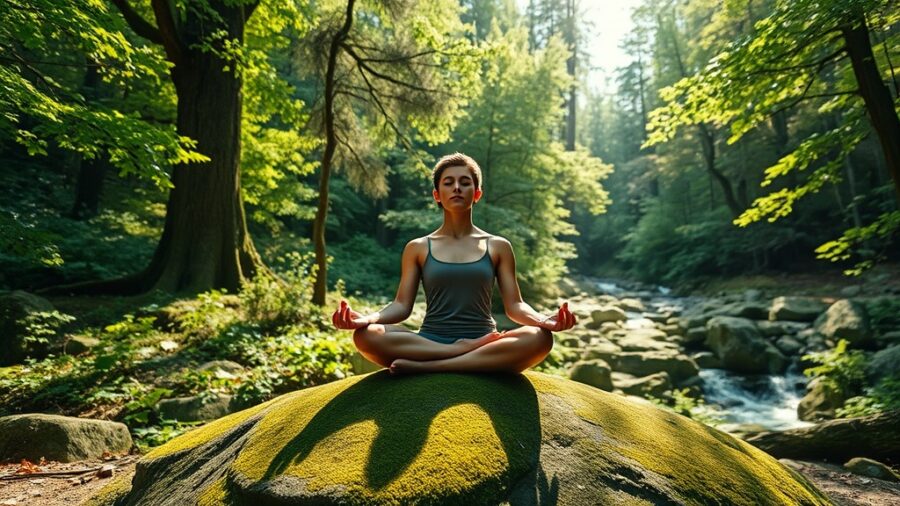
Meditation in Nature: Your Guide to Outdoor Practice
Meditation is a powerful practice that allows individuals to connect with their inner selves, but when combined with the great outdoors, it can lead to a transformative experience. The practice of meditation nature outdoor practice not only enhances the benefits of meditation but also fosters a deeper connection with the natural world. In this comprehensive guide, we will explore the significance of nature in meditation, how to choose the right environment, various techniques for outdoor meditation, and the many benefits of practicing in natural settings.
As urbanization continues to rise, people are increasingly finding themselves disconnected from nature. This disconnection can lead to heightened stress and anxiety. However, by incorporating meditation into outdoor settings, individuals can reap the benefits of both practices. Through this article, you will learn how to effectively create a meditation routine in nature and discover the profound benefits it can bring to your mental and physical well-being.
From understanding the physiological impacts of nature on our minds to practical steps for creating an outdoor meditation routine, this guide aims to equip you with the knowledge needed to enhance your practice. Whether you are a seasoned meditator or just beginning your journey, the insights shared here promise to deepen your appreciation for both meditation and the natural world.
The Importance of Nature in Meditation
Understanding the Connection Between Nature and Mindfulness
Nature has long been celebrated for its calming and restorative effects on the human psyche. Scientific studies have demonstrated that spending time in natural environments can lead to lower levels of stress, anxiety, and depression. A study by the University of Queensland found that just five minutes spent in nature can significantly enhance mood and self-esteem.
When engaged in meditation nature outdoor practice, individuals often find that the sounds of rustling leaves, the sight of moving clouds, and the feel of the breeze on their skin help ground them. This sensory engagement promotes mindfulness, allowing practitioners to become more present and aware of their surroundings. By synchronizing the practice of meditation with the natural world, one can tap into an immense source of peace and tranquility.
The Psychological Benefits of Nature
Several psychological studies highlight the benefits of natural environments on mental health. For instance, a study published in the journal Environmental Science & Technology indicated that spending time in green spaces can lead to reduced stress levels and improved cognitive function. The practice of meditation outdoors enhances these effects, creating a synergistic relationship.
Furthermore, engaging with nature during meditation can facilitate a sense of belonging and connection to the universe. This deepened connection can cultivate a more profound appreciation for life and foster emotional resilience. As you meditate outdoors, the sights and sounds of nature create a unique backdrop that encourages introspection and self-discovery.
Choosing the Right Outdoor Environment
Factors to Consider When Selecting a Location
The effectiveness of your outdoor meditation practice largely depends on the environment you choose. Here are some critical factors to consider:
- Accessibility: Ensure that the location is easily accessible and safe to reach, whether by foot, bike, or vehicle.
- Sound: Choose a spot where natural sounds are prominent, such as birds chirping or water flowing, as these can enhance your meditation experience.
- Comfort: Look for a location with comfortable seating options or a flat area to sit or lie down.
- Scenery: The visual appeal of your surroundings can greatly influence your meditation. A picturesque view can uplift your spirit and help you relax.
Popular Outdoor Locations for Meditation
Here are some popular outdoor locations that are ideal for meditation:
- Beaches: The sound of waves crashing and the vastness of the ocean can provide a soothing atmosphere.
- Parks: Local parks often have designated quiet areas that are perfect for meditation.
- Mountains: The elevation and panoramic views can offer a sense of clarity and perspective.
- Forests: The natural canopy and earthy smells create a serene environment that promotes relaxation.
Techniques for Outdoor Meditation
Breathing Techniques
One of the simplest yet most effective techniques for outdoor meditation involves focusing on your breath. Start by finding a comfortable position in your chosen outdoor setting, whether seated on the ground or in a chair. Close your eyes and take a deep breath through your nose, allowing your abdomen to expand. Hold for a moment, then exhale slowly through your mouth. Repeat this process for several minutes, gradually allowing your breath to return to its natural rhythm.
This technique not only calms the mind but also helps you connect with the surrounding environment. As you breathe in, visualize inhaling the fresh air and energy of the nature around you. As you exhale, release any tension or negativity you may be holding onto.
Mindfulness Walking Meditation
Walking meditation is another excellent technique for practicing in nature. Choose a quiet path in your outdoor setting and begin to walk slowly, focusing your attention on each step. Pay close attention to the sensation of your feet touching the ground, the movement of your legs, and your breath as you walk.
This practice encourages mindfulness by helping you connect with the present moment. You can also incorporate elements of nature into your walking meditation by observing the details around you, such as the colors of the leaves or the texture of the ground beneath your feet.
| Technique | Description | Benefits |
|---|---|---|
| Breathing Techniques | Focus on deep, rhythmic breathing. | Calms the mind and body, enhances relaxation. |
| Mindfulness Walking | Slowly walk while focusing on your steps. | Increases awareness and connection to the environment. |
Creating a Meditation Routine in Nature
Establishing a Consistent Practice
To fully benefit from outdoor meditation, it is essential to establish a consistent routine. Consider setting aside specific times each week for your meditation practice. This could be early in the morning to greet the day or during the evening to unwind after a long day. Consistency is key to developing a deeper connection with both your practice and the natural world.
Creating a routine can also involve planning your locations in advance. Experiment with different parks, gardens, or natural areas to discover which settings resonate most with you. Keeping a meditation journal can be beneficial for tracking your experiences and progress, helping you refine your practice over time.
Incorporating Seasonal Changes
Another way to enrich your outdoor meditation practice is to incorporate the different seasons into your routine. Each season brings unique qualities and sensations that can enhance your meditation experience. For example, in spring, you may focus on renewal and growth, while in autumn, you can reflect on change and letting go.
Being mindful of the environmental changes can deepen your meditation practice. Consider noting how the sights, sounds, and feelings change throughout the year and how they impact your state of mind during meditation.
Benefits of Meditation in Natural Settings
Physical Health Benefits
Practicing meditation in nature has been linked to several physical health benefits. Research shows that spending time outdoors can reduce blood pressure, lower cortisol levels, and decrease heart rate. These physiological changes contribute to overall health improvements and can enhance your meditation practice.
Additionally, engaging in outdoor meditation often encourages physical activity, whether through walking, hiking, or simply standing in a natural environment. This movement not only aids physical fitness but also contributes to mental clarity and emotional well-being.
Mental and Emotional Well-Being
Outdoor meditation significantly impacts mental and emotional health. The calming effects of nature combined with the mindfulness cultivated during meditation can lead to reduced levels of anxiety and depression. A study published in the journal Health & Place found that individuals who engaged in outdoor activities experienced improved mood and cognitive function compared to those who remained indoors.
Furthermore, being in nature can foster feelings of connection and community, especially when practicing in groups. This sense of belonging can enhance emotional resilience and promote a supportive environment for personal growth.
Conclusion
In summary, the practice of meditation nature outdoor practice offers a multitude of benefits for both the mind and body. By integrating the calming elements of nature into your meditation routine, you can enhance your mindfulness, reduce stress, and foster a deeper connection with the world around you. Choosing the right environment, employing effective techniques, and establishing a consistent practice will significantly enrich your meditation journey.
As you embark on this path, remember to remain open to the experiences that nature has to offer. Each moment spent in the outdoors can serve as an opportunity for reflection and growth, allowing you to cultivate peace and tranquility within yourself.
FAQ
1. Can I meditate anywhere outdoors?
Yes, you can meditate in various outdoor settings such as parks, beaches, or your backyard. The key is to find a location that feels comfortable and free from distractions.
2. How long should I meditate outdoors?
Even a short meditation session of 10 to 15 minutes can be beneficial. However, as you become more comfortable, you may choose to extend your practice to 30 minutes or longer.
3. What should I wear for outdoor meditation?
Wear comfortable clothing suitable for the weather conditions. Layering is often a good choice, allowing you to adjust your attire as needed.
4. Is it necessary to sit still while meditating outdoors?
No, you can practice walking meditation or engage in gentle movements if that feels more comfortable for you. The goal is to maintain mindfulness and presence, regardless of your position.
5. How can I stay focused during outdoor meditation?
To enhance focus, try using breathing techniques or visualizing nature around you. If distractions arise, gently redirect your attention back to your breath or your surroundings.
Recap
- Meditation in nature enhances the benefits of both practices.
- Nature reduces stress, anxiety, and fosters mindfulness.
- Choose accessible and comfortable outdoor locations for meditation.
- Incorporate breathing techniques and walking meditation into your practice.
- Establish a consistent routine and embrace the seasons.
- Outdoor meditation offers significant physical and mental health benefits.
- Remain open to the experiences that nature provides during your practice.