
Mindfulness Art: Embracing Creative Presence
In today’s fast-paced world, the concept of mindfulness art creative presence has emerged as a powerful tool to enhance not only artistic expression but also mental well-being. This article delves into the intricate relationship between mindfulness and art, exploring how mindfulness practices can enrich our creative processes. By understanding the essence of mindfulness in art, we can unlock new dimensions of creativity and presence.
Mindfulness, originating from ancient meditation traditions, emphasizes being fully present in the moment. When applied to art, this practice transforms the creative process into a profound experience of self-discovery and emotional exploration. This article aims to equip you with practical techniques and insights into how you can incorporate mindfulness into your artistic endeavors, fostering a deeper connection with your work.
Throughout this journey, we will examine various aspects of mindfulness art, including its benefits for mental health, techniques for integrating mindfulness into art creation, and inspiring case studies of artists who have embraced this practice. By the end of this article, you will have a comprehensive understanding of how to cultivate creative presence through mindfulness, ultimately enriching both your art and your life.
Understanding Mindfulness in Art Practice
The Essence of Mindfulness
Mindfulness is the practice of paying attention to the present moment without judgment. In art, this means engaging fully with the creative process, allowing thoughts and emotions to flow without interference. The essence of mindfulness in art lies in its ability to quiet the mind, enabling artists to tap into their intuitive selves. This state of being fosters a deeper connection to one’s work, leading to more authentic and profound artistic expressions.
Incorporating mindfulness into art practice can be transformative. Artists often face pressure to produce work that meets external expectations, which can lead to anxiety and creative blocks. By embracing mindfulness, artists can shift their focus from the end product to the process itself. This shift not only alleviates stress but also encourages experimentation and exploration, vital components of creativity.
Art as a Mindful Practice
Art can serve as a form of meditation. The repetitive actions of drawing, painting, or sculpting can create a rhythmic flow that promotes mindfulness. Engaging in these activities allows artists to enter a state of flow, where they lose track of time and become fully immersed in their work. This experience is often described as deeply satisfying, providing a sense of purpose and accomplishment.
Moreover, the act of creating art can enhance self-awareness. By reflecting on emotions and experiences through artistic expression, individuals can gain insights into their thoughts and feelings. This reflective process not only fosters personal growth but also enhances emotional intelligence, a key component of mental well-being.
Techniques for Incorporating Mindfulness in Art Creation
Mindful Observation
One effective technique for integrating mindfulness into art creation is through mindful observation. This involves taking time to observe the subject matter without the intention of creating a finished piece. Whether it’s a landscape, a still life, or a figure, artists can practice being fully present by focusing on the colors, shapes, and textures before them. This practice enhances not only their artistic skills but also their ability to appreciate beauty in the everyday.
To practice mindful observation, set aside time to simply look at your subject. Focus on the details: the way light interacts with surfaces, the subtle variations in color, and the intricacies of form. This process encourages deeper engagement and can serve as a warm-up before starting an actual piece.
Mindful Breathing and Art
Another powerful technique is to incorporate mindful breathing into the creative process. Before beginning a session, take a few moments to center yourself with deep, conscious breaths. Inhale slowly, allowing your abdomen to expand, and exhale gently, releasing any tension or distraction.
This mindful breathing not only calms the mind but also prepares the artist for a focused session. As you create, maintain awareness of your breath, allowing it to guide your movements and decisions. This connection can be especially beneficial during challenging moments in the creative process, helping to ground the artist and maintain flow.
Benefits of Mindfulness Art for Mental Well-being
Enhancing Emotional Resilience
Engaging in mindfulness art has been shown to enhance emotional resilience. Studies indicate that creative practices can reduce symptoms of anxiety and depression, providing a healthy outlet for emotional expression. By channeling feelings into art, individuals can process difficult emotions and experiences, leading to greater emotional clarity.
Furthermore, mindfulness art fosters a sense of accomplishment and self-efficacy. Completing a piece of art, regardless of the outcome, can instill a sense of pride and achievement. This boost in self-esteem is crucial for mental health, particularly for individuals who may struggle with feelings of inadequacy.
Promoting Stress Reduction
Mindfulness art also plays a significant role in stress reduction. Engaging in creative activities can divert attention from stressors, providing a mental break and allowing for relaxation. The act of creating art can trigger the release of dopamine, a neurotransmitter associated with feelings of pleasure and satisfaction.
According to research conducted by the American Journal of Public Health, art therapy has been associated with lower levels of cortisol, the hormone linked to stress. This physiological response highlights the powerful impact of art on mental well-being, making it an effective tool for managing stress in today’s demanding world.
Case Studies: Artists Who Use Mindfulness
Case Study 1: Yayoi Kusama
Yayoi Kusama, a renowned Japanese artist, integrates mindfulness into her work through repetitive patterns and immersive environments. Her installations often reflect her personal experiences with mental health, using art as a means of self-exploration and healing. Kusama’s practice illustrates the power of art as a therapeutic tool, emphasizing the importance of being present in the creative process.
Through her iconic polka dot patterns and infinity rooms, Kusama invites viewers to experience a meditative state, encouraging them to reflect on their own emotions and existence. Her work serves as a testament to the profound connection between mindfulness and art, demonstrating how creative presence can foster healing and self-discovery.
Case Study 2: Tracey Emin
British artist Tracey Emin is known for her emotionally charged artworks that often explore themes of love, loss, and identity. Emin’s practice emphasizes the importance of vulnerability and authenticity in art. She utilizes her own experiences as a source of inspiration, allowing her to connect deeply with her audience.
Emin’s use of text-based works and personal narratives exemplifies how mindfulness can enhance artistic expression. By being present with her emotions and experiences, she creates pieces that resonate with viewers on a profound level, showcasing the transformative power of mindfulness in art.
Practical Exercises for Mindfulness in Art
Art Journaling
Art journaling is a practical exercise that combines writing and visual expression, making it an excellent tool for incorporating mindfulness into your creative routine. Set aside a dedicated time each week to create in your art journal, allowing yourself to explore thoughts, feelings, and experiences freely.
Begin by writing a few sentences about your current emotional state. Then, illustrate your feelings through drawings, collages, or paintings. This exercise encourages self-reflection and enhances the connection between your emotions and artistic expression.
Mindful Doodling
Mindful doodling is a simple yet effective way to practice mindfulness in art. This technique involves allowing your hand to move freely across the page without any specific intention or outcome. Focus on the sensation of the pen or pencil against the paper, letting go of any expectations.
Doodling in this manner can stimulate creativity and provide a meditative experience. Set a timer for 10-15 minutes and engage in mindful doodling, observing your thoughts and feelings as they arise. This exercise can serve as a warm-up before more structured creative work.
Integrating Mindfulness into Your Daily Creative Routine
Establishing a Mindful Art Practice
Integrating mindfulness into your daily creative routine involves establishing a consistent practice that emphasizes presence and awareness. Consider dedicating a specific time each day for artistic exploration, free from distractions. This could be in the morning as a refreshing start to your day or in the evening as a way to unwind.
During this time, focus on the process rather than the final product. Allow yourself to experiment with different mediums, techniques, and ideas. The key is to cultivate a non-judgmental attitude, embracing mistakes and uncertainties as part of the creative journey.
Creating a Mindful Environment
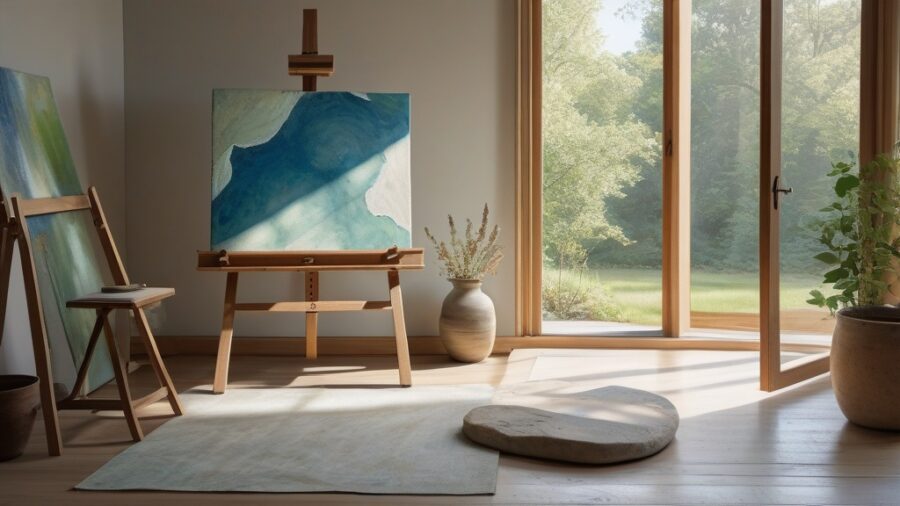
Your environment plays a crucial role in fostering mindfulness during art creation. Designate a space that feels inspiring and calming, free from distractions. Consider incorporating elements such as natural light, plants, or calming scents to enhance your creative atmosphere.
Additionally, reduce digital distractions by turning off notifications and setting boundaries around your use of technology during your art practice. Creating a mindful environment can significantly impact your ability to focus and engage deeply with your work.
Conclusion and Key Takeaways
Mindfulness art creative presence is a powerful practice that can enhance both artistic expression and mental well-being. By understanding the principles of mindfulness and incorporating them into art creation, individuals can cultivate a deeper connection with their work and themselves. The techniques discussed in this article, such as mindful observation and breathing, provide practical ways to embrace mindfulness in the creative process.
The benefits of mindfulness art extend beyond creativity; they include enhanced emotional resilience, stress reduction, and personal growth. As demonstrated through the inspiring case studies of artists like Yayoi Kusama and Tracey Emin, mindfulness can transform artistic expression into a profound journey of self-discovery and healing.
Incorporating mindfulness into your daily creative routine can lead to a more fulfilling and enriching artistic experience. By establishing a mindful art practice and creating a conducive environment, you can unlock new dimensions of creativity and presence. Embrace the journey of mindfulness art and allow it to shape your artistic path.
Frequently Asked Questions
What is mindfulness art?
Mindfulness art refers to the practice of incorporating mindfulness techniques into the creative process. It emphasizes being present in the moment while engaging in artistic activities, allowing for deeper self-expression and emotional exploration.
How can mindfulness art benefit mental well-being?
Mindfulness art can enhance mental well-being by reducing stress, improving emotional resilience, and providing a healthy outlet for self-expression. Engaging in creative activities mindfully can lead to increased self-awareness and emotional clarity.
Can anyone practice mindfulness art?
Yes, anyone can practice mindfulness art, regardless of their artistic skills. The focus is on the process of creating rather than the final product, making it accessible to individuals of all levels.
What techniques can I use to incorporate mindfulness into my art practice?
Techniques for incorporating mindfulness into your art practice include mindful observation, mindful breathing, art journaling, and mindful doodling. These practices encourage presence and awareness during the creative process.
How do I create a mindful art environment?
To create a mindful art environment, designate a space that inspires calm and creativity. Reduce distractions, incorporate natural elements, and ensure your space is free from interruptions to enhance your focus and engagement.
Recap of Main Points
- Mindfulness art fosters a deeper connection to the creative process.
- Mindfulness techniques enhance emotional resilience and reduce stress.
- Incorporating mindfulness into art practices can lead to personal growth.
- Establishing a mindful art routine promotes consistent creative exploration.
- Creating a conducive environment enhances focus and presence during artistic activities.
- Artists like Yayoi Kusama and Tracey Emin demonstrate the transformative power of mindfulness in art.
- Anyone can practice mindfulness art, regardless of skill level.
- Techniques include mindful observation, breathing, art journaling, and doodling.