
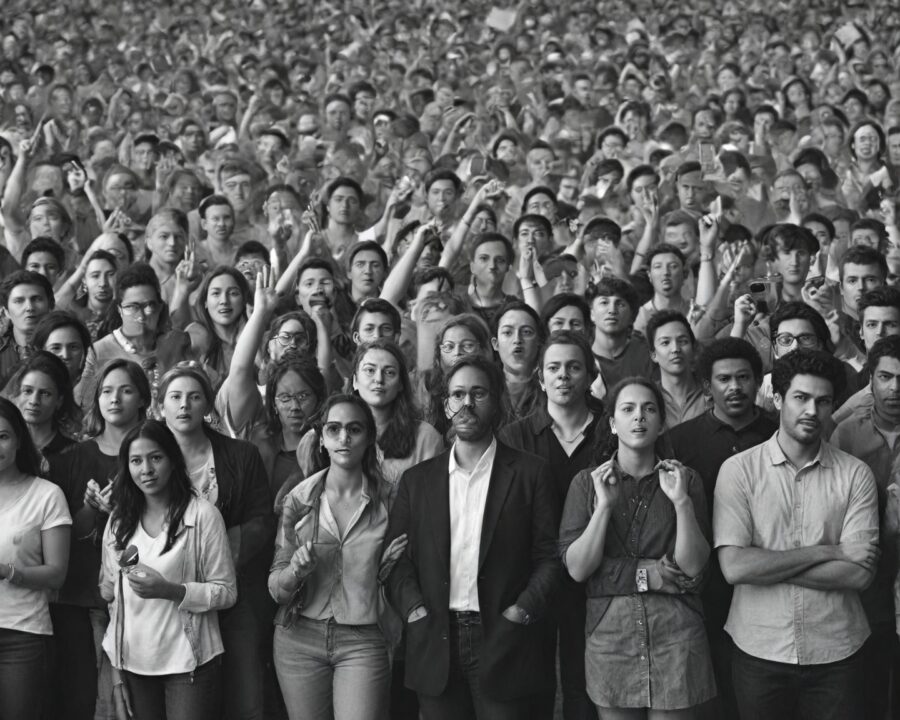
Introduction to Protest Songs and Their Significance
Throughout history, music has served as a powerful tool for expressing dissent and amplifying the voices of those who stand against injustice. Protest songs have a unique ability to encapsulate the sentiments of social and political movements, becoming rallying cries for change. These songs not only provide a soundtrack for activism but also serve as historical markers that capture the essence of the times in which they were created.
The significance of protest songs extends beyond their immediate cultural impact. They carry forward the emotions, struggles, and aspirations of oppressed communities, transcending geographical boundaries to resonate with a global audience. Whether addressing civil rights, anti-war sentiments, or other social issues, protest songs have the power to inspire solidarity, awareness, and action. In this article, we explore how these songs have shaped history, influenced cultural change, and continue to make their mark in modern movements.
The Role of Music in Social and Political Movements
Music has always been intertwined with the fabric of social and political movements, acting as both a mirror and a catalyst for change. Through melody, rhythm, and lyrics, music can evoke powerful emotions and create a sense of unity among those who seek change. Protest songs, in particular, distill complex social issues into emotional and accessible narratives that resonate widely.
The role of music in social movements is multifaceted. It can inspire hope during difficult times, galvanize collective action, and provide a sense of identity and purpose to those involved in the struggle. Songs often become symbols of resistance, repeated in marches, rallies, and gatherings as a way to fortify and unify participants. Whether it’s the anthems of the Civil Rights Movement or the chants of anti-war protests, music has been pivotal in maintaining the momentum of these causes.
Moreover, protest songs offer a historical record of societal challenges and transformations. They encapsulate the events, emotions, and aspirations of their times, offering future generations insight into the struggles of the past. By reflecting social realities and envisioning future possibilities, protest songs continue to play an indispensable role in challenging injustices and advocating for a more equitable world.
Iconic Protest Songs from the Civil Rights Era
The Civil Rights Movement of the 1950s and 1960s in the United States was a pivotal period that saw profound social change, propelled in part by the powerful protest music of the era. Songs from this movement conveyed the pain, hope, and determination of African Americans fighting for equality and justice. One of the quintessential anthems of this era was “We Shall Overcome,” a song that became synonymous with the struggle for civil rights.
“We Shall Overcome” originated from gospel and folk music traditions and was popularized by artists like Pete Seeger and Joan Baez. Its simple yet profound lyrics made it accessible and emotionally stirring, helping to unite activists in their pursuit of justice. The song was frequently sung at rallies, marches, and sit-ins, providing a sense of hope and resilience in the face of adversity.
Other notable protest songs from the Civil Rights Movement include Sam Cooke’s “A Change is Gonna Come” and Nina Simone’s “Mississippi Goddam.” Cooke’s song became an anthem of hope, its soulful tones capturing the determined optimism of the movement. Meanwhile, Simone’s “Mississippi Goddam” was a fierce critique of systemic racism and violence, delivering an urgent call for change. These songs remain powerful testimonies to the enduring fight for civil rights and continue to inspire contemporary movements for racial justice.
Anti-War Anthems That Defined Generations
The Vietnam War era was marked by a wave of anti-war sentiment, with music becoming a central platform for protest. Songs from this period expressed the widespread disillusionment and anger felt by a generation that questioned authority and resisted unjust war. One of the most iconic protest songs of this time was Bob Dylan’s “Blowin’ in the Wind,” which posed profound questions about peace and freedom.
Another seminal anti-war anthem was “Fortunate Son” by Creedence Clearwater Revival. This song criticized the socio-political privilege that allowed wealthy individuals to avoid the draft, highlighting the disparities and injustices in military conscription. Its driving rhythm and biting lyrics resonated with young Americans who protested against the war.
Edwin Starr’s “War,” with its famous refrain of “War, what is it good for?” starkly captured the futility and brutality of conflict. The song’s bold critique and infectious rhythm made it a staple in anti-war protests and a timeless commentary on the human cost of war. These songs and others from the Vietnam War era continue to influence musicians and activists, sustaining the message of peace and advocacy against military aggression.
Songs of Resistance from Around the World
Beyond the United States, protest songs have played crucial roles in political movements worldwide, encapsulating the unique struggles and aspirations of diverse cultures. In South Africa, during the fight against apartheid, songs became a powerful tool of resistance. Artists like Miriam Makeba and Hugh Masekela used their platforms to criticize the oppressive apartheid regime, bringing international attention to the struggle. Masekela’s “Bring Him Back Home” became synonymous with the call for Nelson Mandela’s release from prison.
In Chile, the Nueva Canción movement produced poignant songs that addressed the social injustices under Pinochet’s dictatorship. Artists like Victor Jara used music to speak out against human rights abuses, inspiring and sustaining resistance within his country. His song “Te Recuerdo Amanda” is remembered for its heartfelt depiction of love and loss under authoritarian rule.
In recent years, global protest music has flourished in regions like the Middle East, where artists challenge oppressive regimes and advocate for freedom. Songs like “Bread, Freedom, and Social Justice,” echoed throughout the Arab Spring, capturing the revolutionary spirit and demands of those fighting for democracy. These songs of resistance continue to cross cultural boundaries, uniting disparate movements under shared ideals of justice and hope.
The Impact of Protest Songs on Cultural Change
Protest songs have a lasting impact on culture, often becoming integral parts of collective memory and identity. By highlighting injustices and envisioning alternatives, they influence public perception and contribute to shifts in societal values. The cultural change prompted by protest songs is evident in how they shape discourse, challenge norms, and encourage new ways of thinking.
One of the key impacts of protest songs is their ability to bring attention to marginalized issues and voices. By offering a platform for underrepresented perspectives, these songs can stimulate dialogue and encourage empathy within broader society. As they circulate through media and public spaces, protest songs effect cultural shifts by altering the narratives surrounding social and political issues.
Furthermore, protest songs inspire countless artists and activists to continue advocating for change. Movements throughout history can trace their cultural influence back to the music that articulated their struggles and achievements. Whether through anthems of civil rights, feminism, environmentalism, or other causes, the cultural legacy of protest songs endures, sparking ongoing dialogue and reflection.
How Protest Songs Amplify Marginalized Voices
Protest songs offer invaluable platforms for marginalized voices to be heard and acknowledged in ways that traditional media often overlook. Through the power of music, communities that face exclusion and oppression can articulate their grievances and connect with wider audiences. The amplification of these voices not only raises awareness but also fosters empathy and understanding across different segments of society.
Artists like Billie Holiday demonstrated the power of protest music to highlight systemic injustices. Her song “Strange Fruit,” a haunting portrayal of racial lynchings in America, brought widespread attention to the brutal realities faced by African Americans. By addressing topics often ignored or suppressed by mainstream narratives, such songs create spaces for conversation and reflection about societal inequalities.
Additionally, protest songs provide a sense of solidarity and empowerment for marginalized groups. The collective experience of creating, sharing, and listening to these songs cultivates community and resilience. As protest music travels across borders and boundaries, it links otherwise disparate struggles into a cohesive call for justice, amplifying marginalized voices in the global conversation about rights and dignity.
Modern Protest Songs and Their Relevance Today
In today’s politically charged environment, modern protest songs continue to address pressing issues such as racial inequality, climate change, and economic disparity. Artists like Kendrick Lamar, Beyoncé, and Childish Gambino have produced incisive works that critique contemporary social problems. For example, Lamar’s “Alright” has become an anthem for the Black Lives Matter movement, resonating with a generation advocating for racial justice and equality.
Beyoncé’s “Formation” addresses themes of racial identity and feminism, using powerful imagery and lyrics to spark dialogue and debate. Similarly, Childish Gambino’s “This Is America” confronts gun violence and racial discrimination, blending music and visual storytelling to provoke reflection on American culture. These songs exemplify how modern artists continue to leverage music as a tool for activism and social change.
Furthermore, today’s digital landscape has transformed the way protest music is created, shared, and consumed. Platforms like YouTube, Spotify, and SoundCloud allow for the rapid dissemination of protest songs, connecting artists and audiences globally. This accessibility ensures that modern protest songs remain a potent force for mobilizing and inspiring social movements in the digital age.
The Evolution of Protest Music Over Decades
Protest music has undergone significant evolution over the decades, from folk and gospel roots to contemporary genres like hip-hop and electronic music. Each era has contributed distinct styles and voices, reflecting the evolving landscape of social and political activism. While the core spirit of protest music remains unchanged, its forms and expressions have adapted to resonate with new generations.
In the mid-20th century, protest music was characterized by folk and blues influences, with artists like Woody Guthrie and Pete Seeger crafting songs that addressed labor rights and civil liberties. As the cultural tides shifted, the 1960s and 1970s saw rock and psychedelic music rise in prominence, spreading messages of peace, love, and resistance against war and societal norms.
The advent of hip-hop in the 1980s and 1990s further diversified the landscape of protest music. Artists like Public Enemy and Tupac Shakur used the genre to critique racial and economic injustices, amplifying urban voices and issues that had long been marginalized. Today, the fusion of genres and digital tools continue to expand the boundaries of protest music, ensuring its enduring relevance and adaptability.
How to Discover and Support Contemporary Protest Music
Discovering and supporting contemporary protest music is more accessible than ever, thanks to the multitude of online platforms and resources available to fans and activists. For those looking to immerse themselves in modern protest music, here are some ways to engage with and support this dynamic art form:
-
Streaming Platforms: Services like Spotify, Apple Music, and Bandcamp offer playlists and recommendations that spotlight protest music from various genres. Users can explore curated lists focused on specific movements or themes.
-
Social Media: Platforms like Twitter, Instagram, and TikTok are rich sources for discovering emerging protest artists and popular tracks. By following activists, musicians, and curated accounts, users can stay updated on new releases and collaborative projects.
-
Live Events and Festivals: Attend concerts, rallies, and festivals that highlight protest music and social causes. These gatherings often feature performances by artists who use their music as a means of advocacy, providing opportunities for fans to connect directly with the message and movement.
-
Direct Support: Purchasing music and merchandise directly from artists’ websites or at live events ensures that your support directly benefits the creators. Engaging with crowdfunding campaigns and donating to related causes also bolsters the impact of protest musicians.
| Platform | Type | How It Supports Protest Music |
|---|---|---|
| Spotify | Streaming Service | Offers curated playlists of protest music |
| Social Media Platform | Connects users with emerging artists and movements | |
| Bandcamp | Music Marketplace | Allows direct support through purchases and donations |
By actively engaging with and supporting contemporary protest music, individuals contribute to the sustainability and visibility of artists who continue to challenge injustices and inspire change through their work.
Frequently Asked Questions
What is a protest song?
A protest song is a musical composition that expresses opposition to social injustices or political issues. These songs address a wide range of topics, including civil rights, war, inequality, and environmental concerns, often with the intention of inspiring change and raising awareness.
How do protest songs impact social movements?
Protest songs impact social movements by unifying participants, galvanizing action, and raising public awareness about specific causes. They serve as emotional touchstones that articulate the aims and values of the movement, fostering solidarity and encouraging broader societal engagement.
Why are protest songs important in history?
Protest songs are important in history because they document the struggles and aspirations of different eras, providing insight into pivotal social and political changes. They capture the spirit of resistance and advocacy, often influencing cultural perceptions and inspiring action for justice.
Can protest songs still make a difference today?
Yes, protest songs can still make a difference today by drawing attention to contemporary issues, motivating activism, and giving voice to marginalized communities. In the digital age, these songs can spread more widely and rapidly, amplifying their impact and potential for driving change.
How have protest songs evolved over time?
Protest songs have evolved from their folk and gospel roots to encompass a variety of modern genres like hip-hop, rock, and electronic music. Advances in technology and changes in societal context have diversified their expression, allowing protest music to remain relevant and adaptable.
What are some modern examples of protest songs?
Modern examples of protest songs include Kendrick Lamar’s “Alright,” Beyoncé’s “Formation,” and Childish Gambino’s “This Is America.” These songs address issues such as racial injustice, feminism, and gun violence, employing both lyrics and visual elements to engage audiences.
How can individuals support protest musicians?
Individuals can support protest musicians by streaming their music on platforms like Spotify and Bandcamp, attending live events and rallies, purchasing music and merchandise directly from artists, and supporting crowdfunding campaigns or related causes that amplify their messages.
Recap
Protest songs have long been a force for change, uniting people around common causes and inspiring action. From the Civil Rights Movement to modern-day protests, these songs articulate the struggles of marginalized communities, challenge injustices, and influence cultural and social landscapes. Modern protest music continues this legacy, utilizing digital platforms to reach global audiences and engage them in meaningful dialogue. By understanding the history and evolution of protest music, and by supporting contemporary protest artists, we can help ensure that these powerful voices continue to resonate and inspire change in our world.
Conclusion
The enduring legacy of protest songs highlights the role of music as a powerful agent of change. Throughout history, artists and activists have used music to challenge injustices and advocate for a more equitable society. Whether addressing racial discrimination, war, or other social issues, protest songs remain an indispensable tool for expressing and enacting societal transformation.
In modern times, the spirit of protest music is more relevant than ever, as artists leverage digital platforms to amplify their messages and engage a global audience. The power of these songs lies not just in their ability to entertain but in their capacity to educate, inspire, and mobilize. By lending our support to contemporary protest musicians, we contribute to the ongoing dialogue and activism essential for addressing the complex issues of our time.
As we continue to navigate social and political challenges, the resonance of protest songs will undoubtedly persist. They remind us of the power of collective voice and action, urging us to confront injustices and strive for a better future. In celebrating and embracing protest music, we reaffirm our commitment to the ideals of justice, equality, and change.