
Introduction to Meditation and Chakra Balancing
Meditation is an ancient practice that has gained immense popularity in today’s fast-paced world. It serves as a pathway to mental clarity, emotional stability, and spiritual growth. The meditation chakra balancing guide is an essential tool for those looking to enhance their meditation practice by aligning their energy centers. This article will delve into the intricacies of chakra balancing through meditation, offering practical techniques, insights, and advice to cultivate a harmonious life.
Chakras are the energy centers within our bodies that influence our physical, emotional, and spiritual well-being. Understanding these energy centers is crucial for anyone seeking to deepen their meditation practice. By focusing on chakra balancing, individuals can experience profound transformations in their lives, leading to greater joy, peace, and fulfillment.
In this guide, we will explore the importance of chakra balancing, the various techniques for effective chakra meditation, and how to integrate these practices into your daily routine. Whether you are a beginner or an experienced practitioner, this article aims to provide valuable insights into the world of meditation and chakra balancing.
Understanding Chakras: The Energy Centers
The Seven Main Chakras
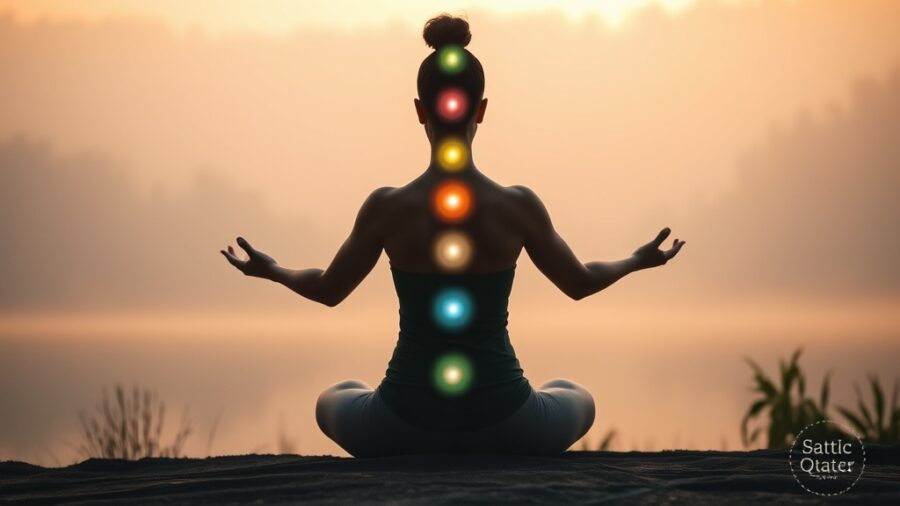
Chakras are often visualized as spinning wheels of energy located along the spine, each corresponding to specific physical and emotional aspects of our lives. The seven main chakras include:
- Root Chakra (Muladhara): Located at the base of the spine, it represents stability and security.
- Sacral Chakra (Svadhisthana): Found in the lower abdomen, it governs creativity and emotions.
- Solar Plexus Chakra (Manipura): Located in the upper abdomen, it relates to personal power and confidence.
- Heart Chakra (Anahata): Centered in the chest, it represents love and compassion.
- Throat Chakra (Vishuddha): Found in the throat area, it is associated with communication and expression.
- Third Eye Chakra (Ajna): Located between the eyes, it relates to intuition and insight.
- Crown Chakra (Sahasrara): Positioned at the top of the head, it connects us to spirituality and higher consciousness.
How Chakras Influence Our Lives
Each chakra plays a significant role in our overall well-being. When these energy centers are balanced, we experience a sense of harmony and vitality. Conversely, imbalances can lead to physical ailments, emotional instability, and spiritual disconnection. For instance, a blocked Root Chakra may manifest as anxiety or fear, while a blocked Heart Chakra can result in issues related to love and relationships.
Understanding how each chakra influences our lives is crucial for effective chakra balancing. By recognizing the signs of imbalance, individuals can take proactive steps to restore equilibrium, ultimately enhancing their meditation practice and overall quality of life.
The Importance of Chakra Balancing
Benefits of Chakra Balancing
Chakra balancing is essential for maintaining optimal health and well-being. The benefits include:
- Enhanced Emotional Health: Balancing chakras can lead to improved mood and emotional stability.
- Physical Well-Being: A balanced energy system can help prevent illness and promote healing.
- Increased Clarity and Focus: Chakra balancing can enhance mental clarity, aiding concentration and decision-making.
- Spiritual Growth: Engaging in chakra work can deepen your spiritual practice and connection.
Scientific Perspective on Energy Centers
While chakra systems are often viewed through a spiritual lens, scientific research has begun to explore the connections between energy and physical health. Studies indicate that practices like meditation and yoga can significantly reduce stress and improve mental health outcomes. For example, a 2016 study published in the journal Health Psychology Review found that mindfulness practices, which often incorporate chakra work, can reduce symptoms of anxiety and depression.
By recognizing the importance of chakra balancing through a scientific perspective, more individuals may be encouraged to explore these practices, leading to a wider acceptance of holistic health approaches.
Techniques for Effective Chakra Meditation
Breathwork and Visualization
One of the most effective techniques for chakra meditation involves breathwork combined with visualization. Begin by finding a comfortable position, either sitting or lying down. Close your eyes and take deep, cleansing breaths. Visualize each chakra as a vibrant wheel of light, spinning freely and radiating energy. Focus on each chakra, starting from the Root and moving up to the Crown, allowing each one to glow brighter with every breath.
This technique not only helps in cleansing the chakras but also fosters a deeper connection between the mind and body. Incorporating affirmations related to each chakra can further enhance the experience. For instance, when visualizing the Heart Chakra, you might say, “I am worthy of love and compassion.”
Sound Healing and Mantras
Sound healing is another powerful method for chakra balancing. Each chakra corresponds to specific sound frequencies and mantras. Chanting these mantras can aid in opening and balancing the energy centers. For example:
- Root Chakra: “LAM”
- Sacral Chakra: “VAM”
- Solar Plexus Chakra: “RAM”
- Heart Chakra: “YAM”
- Throat Chakra: “HAM”
- Third Eye Chakra: “OM”
- Crown Chakra: “AH”
By incorporating these sounds into your meditation practice, you can facilitate a deeper energetic shift, promoting balance and alignment throughout your chakra system.
Creating a Chakra Meditation Space
Choosing the Right Environment
Creating a dedicated meditation space can significantly enhance your chakra balancing practice. Select a quiet area in your home where you feel comfortable and can focus without distractions. Consider elements such as lighting, colors, and decorations that resonate with the energies of the chakras. For example, using colors like red for the Root Chakra or green for the Heart Chakra can help create a harmonious atmosphere.
Incorporating natural elements, such as plants, crystals, or water features, can also promote a calming energy in your space. If possible, choose a location that allows natural light to enter, as sunlight can have a revitalizing effect on your mind and body.
Tools and Accessories for Enhancing Meditation
Various tools can assist in your chakra meditation practice. These may include:
- Candles: Lighting candles can enhance the ambiance and create a peaceful environment.
- Crystals: Each chakra has corresponding crystals that can amplify your meditation practice. For example, amethyst for the Crown Chakra and rose quartz for the Heart Chakra.
- Essential Oils: Aromatherapy can play a significant role in chakra balancing. Scents like sandalwood for grounding or lavender for calming can enhance your meditation experience.
Utilizing these tools will not only create a conducive environment for meditation but also deepen your connection to the chakra system.
Common Challenges in Chakra Balancing
Identifying Imbalances
Recognizing chakra imbalances can often be challenging, as they may manifest in subtle ways. Physical symptoms such as chronic pain, fatigue, or digestive issues can indicate an underlying energy blockage. Emotional signs may include anxiety, depression, or difficulty in relationships. Being attentive to these signals is the first step in addressing chakra imbalances.
Keeping a journal to track your emotional and physical states can help you identify patterns that may relate to specific chakras. For instance, if you often feel insecure, this might be linked to your Root Chakra.
Overcoming Mental Barriers
Mental barriers can also hinder effective chakra balancing. Negative beliefs, self-doubt, and stress can all impede your ability to connect with your energy centers. To overcome these barriers, practice self-compassion and mindfulness. Affirmations and positive self-talk can help reshape your mindset, making it easier to engage in chakra work.
Additionally, consider seeking guidance from a mentor or joining a community focused on meditation and chakra balancing. Engaging with others who share similar goals can provide the support and encouragement needed to overcome challenges.
Integrating Chakra Balancing into Daily Life
Mindfulness Practices
Integrating chakra balancing into your daily routine is essential for maintaining equilibrium. Mindfulness practices such as meditation, yoga, and deep breathing exercises can be seamlessly incorporated into your day. Consider setting aside a few minutes each morning for chakra meditation, focusing on each energy center and visualizing them balanced and aligned.
You can also integrate mindfulness into everyday activities. For example, while walking, pay attention to your breath and visualize grounding energy flowing up from the Earth into your Root Chakra. This practice not only enhances your connection to your energy centers but also promotes overall well-being.
Creating Daily Rituals
Establishing daily rituals centered around chakra balancing can greatly enhance your practice. These rituals can include lighting a candle, using essential oils, or spending time in nature. Choose activities that resonate with you and support your chakra work. For example, practicing yoga poses that correspond to specific chakras can help release blockages and promote balance.
Additionally, consider dedicating specific days of the week to focus on particular chakras. For instance, Mondays can be devoted to the Root Chakra, while Fridays can focus on the Heart Chakra. This structured approach can help you stay committed to your chakra balancing journey.
Conclusion
In conclusion, the meditation chakra balancing guide serves as a comprehensive resource for anyone looking to deepen their understanding of chakras and enhance their meditation practice. By recognizing the importance of chakra balancing and incorporating various techniques, individuals can experience profound transformations in their lives.
From understanding the seven main chakras to creating a dedicated meditation space, each aspect of this guide contributes to a holistic approach to well-being. Remember that chakra balancing is an ongoing journey, and integrating these practices into your daily routine will yield the most significant results.
FAQ about Meditation and Chakra Balancing
What are chakras?
Chakras are energy centers located throughout the body that influence our physical, emotional, and spiritual health. There are seven main chakras, each associated with different aspects of our well-being.
How can I tell if my chakras are imbalanced?
Imbalances can manifest as physical symptoms, such as fatigue or chronic pain, or emotional issues, like anxiety or relationship difficulties. Being mindful of these signs can help you identify areas that need attention.
What techniques can I use for chakra meditation?
Effective techniques include breathwork, visualization, sound healing, and the use of affirmations. Each technique can help you focus on and balance your chakras during meditation.
Can I balance my chakras without meditation?
While meditation is a powerful tool for chakra balancing, other practices like yoga, mindfulness, and daily rituals can also support energy alignment and promote overall well-being.
How long does it take to balance my chakras?
The time it takes to balance your chakras varies from person to person. Consistent practice and commitment to your chakra work will yield the best results over time.
Recap of Key Points
- Meditation is a vital practice for achieving mental clarity and spiritual growth.
- Chakras are energy centers that influence physical and emotional well-being.
- Chakra balancing offers numerous benefits, including enhanced emotional health and increased clarity.
- Techniques for chakra meditation include breathwork, visualization, and sound healing.
- Creating a dedicated meditation space can enhance your chakra balancing practice.
- Common challenges include identifying imbalances and overcoming mental barriers.
- Integrating chakra balancing into daily life is essential for maintaining equilibrium.
- Consistent practice and commitment are key to achieving lasting chakra balance.